How to Choose a DC Air Circuit Breaker?
Choosing a dc air circuit breaker is not simply a matter of matching the system’s rated current. The breaker must also withstand the maximum DC voltage and safely interrupt the highest prospective fault current. That distinction matters because direct current has no natural zero crossing to help extinguish an arc. Small details count. A solar combiner, battery cabinet, and industrial control panel can each present different operating conditions. Cable length, ambient temperature, installation altitude, and switching frequency may affect the final selection. Check the manufacturer’s specifications, including trip curves, terminal limits, and any required polarity or connection direction. A rating printed on the case is not the whole story. Not always.
This guide explains how to compare those values and select a dc air circuit breaker suited to its application. It also covers interrupting capacity, protection coordination, enclosure conditions, and access for routine maintenance. For example, a breaker beside a warm battery rack may need a careful derating review. A cool, ventilated cabinet may behave differently. There is no universal selection shortcut. Even careful calculations depend on accurate system data, and that can be the weak point. Use verified fault-current figures and current product documentation. Where needed, ask a qualified electrical professional to review the design. The aim is practical: dependable protection, clear compatibility, and fewer surprises during installation or a fault.
Understand How DC Air Circuit Breakers Work
How to Choose a DC Air Circuit Breaker?
Understand How DC Air Circuit Breakers Work
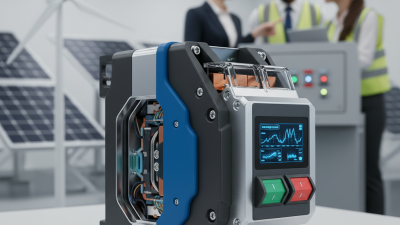
A DC air circuit breaker interrupts current by separating contacts and forcing the resulting arc into an arc-control area. Unlike AC, DC has no natural zero-crossing point to help extinguish the arc. The breaker must manage it through its design, often using arc chutes and magnetic forces. A visible gap is not enough. The device needs a DC-rated interrupting capacity that matches the system’s voltage and prospective fault current.
This matters in solar and battery installations, where current can continue flowing from connected sources. The International Energy Agency’s Renewables 2024 report forecasts nearly 5,500 GW of renewable power capacity additions worldwide between 2024 and 2030, with solar PV expected to account for almost 80% of the increase. More DC equipment means protection choices deserve close attention. Check the breaker’s rated polarity and wiring diagram; some designs require a specific connection direction. Do not assume an AC air breaker is suitable for DC.
Read the ratings carefully. Match the continuous current to the circuit, then verify the maximum DC voltage and short-circuit breaking capacity. Allow for the battery’s or array’s fault contribution, not just normal operating current. Small details matter. Cable length and enclosure conditions can also affect installation decisions. Selection is not always intuitive, so review the manufacturer’s technical documentation and have a qualified electrical professional confirm the application.
Define the Electrical System’s Voltage and Current Requirements
Start with the highest voltage the circuit can actually reach, not just its nominal label. Record the system voltage, charging voltage, and source arrangement. A “24 V” battery bank, for example, may rise above 24 V while charging. Select a breaker rated for the maximum operating voltage, following the equipment maker’s guidance. Check whether the circuit is grounded and how its conductors are arranged. These details affect where and how the circuit must be interrupted. An AC rating alone is not enough.
Small detail. Big consequence.
Next, calculate the expected continuous current and consider short surges from motors, pumps, or capacitive loads. A breaker that trips during every startup is not a good fit, even if its current rating looks adequate on paper. Its trip characteristics should suit the load while still protecting the conductors. Also verify the DC interrupt rating against the prospective fault current at the installation point. Battery systems can supply very high fault currents. Enclosure temperature and restricted airflow may require derating, so check the datasheet rather than relying on a quick estimate. It is easy to overlook one condition, especially in a crowded panel; reviewing the assumptions with a qualified electrical professional can catch a mismatch before installation.
Select Suitable Interrupting Capacity and Protection Functions
How to Choose a DC Air Circuit Breaker?
Select Suitable Interrupting Capacity and Protection Functions
Start with the highest prospective fault current at the breaker’s installation point—not the system’s normal load current. Battery condition, cable length, and parallel strings can change that value. Measure or calculate it with qualified engineering methods, then choose a breaker whose DC interrupting rating meets or exceeds it at the actual system voltage. IEC 60947-2:2024 covers circuit breakers rated up to 1,500 V DC; this is a scope limit, not a recommendation to use any breaker at that voltage. Check the product’s specified DC voltage, pole arrangement, and wiring diagram. Small details matter.
Compare both Icu, the ultimate short-circuit breaking capacity, and Ics, the service breaking capacity. IEC 60947-2 lists these as separate ratings, typically in kiloamperes. A high Icu alone may not mean the breaker can return to service after a severe fault. Match thermal and instantaneous overcurrent protection to cable limits and expected inrush. Add undervoltage or reverse-current protection only where the system design needs it. A nuisance trip beside a battery cabinet can interrupt more than one load. Settings deserve a second look. Record the fault-current assumptions and verify coordination with downstream devices; a tidy rating table cannot replace site-specific calculations.
Compare Operating Features, Standards, and Environmental Ratings
A DC air circuit breaker must match the circuit’s actual voltage and available fault current, not just its normal load.
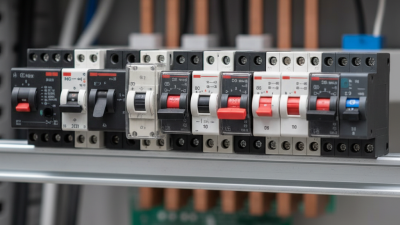
Confirm its rated breaking capacity at the intended DC voltage; ratings can change with voltage and pole connections. Unlike AC, DC has no natural current zero, so arc-control design and correct polarity matter. Check the trip curve, adjustable settings, and coordination with upstream and downstream protection. A remote trip coil or auxiliary contacts may help with monitoring, but only if the control circuit is compatible.
Small details matter.
Compare compliance documents carefully.
Standards and certification requirements vary by market and equipment type, so verify the exact standard, edition, and tested configuration with the supplier. A generic claim of compliance is not enough. Then review environmental ratings: ambient temperature, altitude, humidity, dust, and enclosure ingress protection can affect performance. A breaker in a warm cabinet may need derating, while a dusty plant room may require a better-protected enclosure. Check the installation manual, too. It is easy to focus on the headline rating and overlook terminal clearance or ventilation. I have seen specifications that looked complete, yet left these practical conditions unclear; ask for written confirmation before final selection.
Check Installation, Maintenance, and System Compatibility
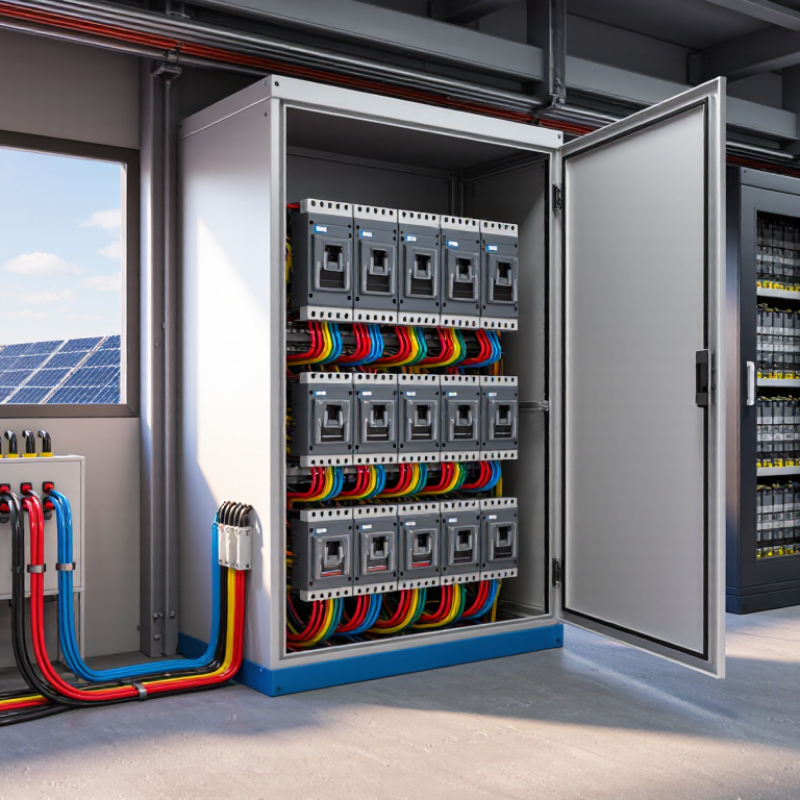
A DC air circuit breaker must match the system where it will operate, not just its nominal current. Check the maximum operating voltage, continuous current, and short-circuit breaking capacity against the source and load. DC arcs can be harder to extinguish than AC arcs, so confirm the breaker is specifically rated for the circuit’s DC voltage. Also verify polarity and terminal direction when the design specifies them. Small details matter.
Installation conditions affect performance. Compare the enclosure, ambient temperature, altitude, and available clearance with the breaker’s technical documentation. Use conductors sized for the expected current, and tighten terminals to the stated torque with a calibrated tool. A loose connection may heat gradually, without an obvious warning. Have a qualified professional inspect the installation, especially where batteries or multiple sources can feed the circuit.
Maintenance should follow the equipment maker’s schedule and site procedures. Look for discoloration, dust, corrosion, damaged insulation, and signs of overheating. Exercise or test the breaker only when the procedure allows it; repeated switching is not a substitute for proper testing. Record inspection dates and any trip events. I’ve seen maintenance notes become vague over time, so write down what was checked and what still needs review. Verify compatibility again if the system configuration changes.