10 Best Motor Protection Devices for Global Buyers?
Choosing the right motor protection device is not a simple catalog exercise. Global buyers must consider motor size, starting current, supply stability, ambient temperature, and installation conditions. A device suitable for a clean European factory may perform differently in a dusty workshop or a humid coastal plant. This guide examines ten practical options, including thermal overload relays, electronic overload relays, motor circuit breakers, phase-failure monitors, voltage relays, and smart protection systems.
Each product should be judged beyond its headline features. Look closely at rated current, trip-class settings, short-circuit coordination, enclosure rating, communication support, and compatibility with local electrical standards. IEC and NEMA practices may differ, while regional certification can affect purchasing and installation. Reliable motor protection should respond quickly to overloads, locked-rotor conditions, phase loss, and abnormal voltage without causing unnecessary shutdowns. That balance matters beside a real pump, compressor, or conveyor.
Specifications help. They do not tell the whole story. Installation quality, cable selection, calibration, and maintenance often decide the final result. We have considered manufacturer documentation, field-oriented selection factors, and common industrial use cases to make this comparison useful for international purchasers. Still, no ranking can replace a qualified engineer’s review of the actual motor and control panel. Some products appear ideal on paper, yet their settings may be confusing in practice. That is worth questioning. A careful buyer should verify availability, technical support, spare parts, warranty terms, and compliance before placing an order.
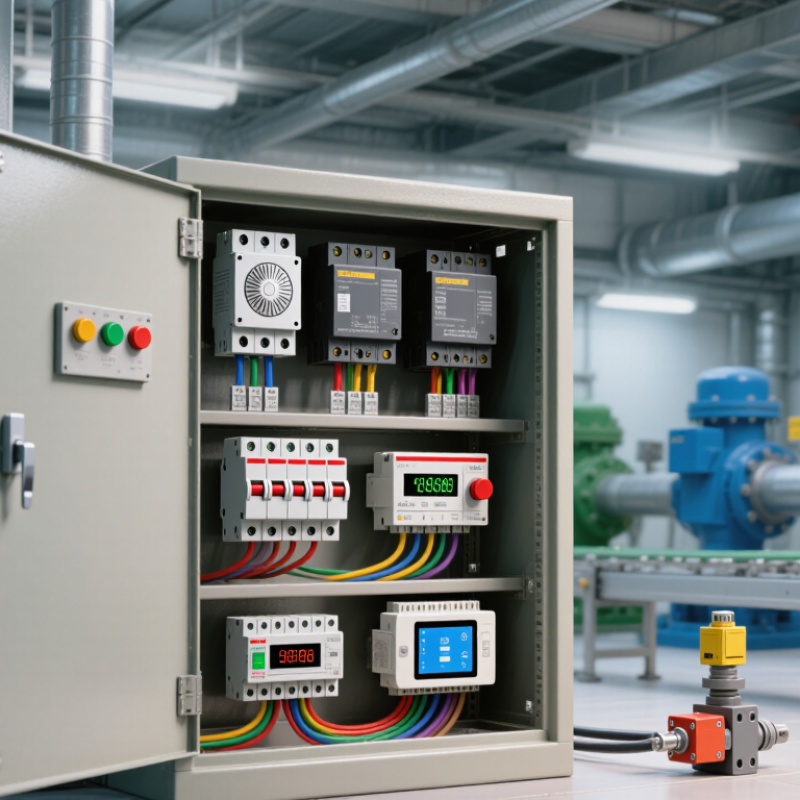
Motor Protection Basics: Functions, Risks, and Operating Principles
Motor Protection Basics: Functions, Risks, and Operating Principles
A motor protection system controls risks before they become expensive failures. In field inspections, overheated terminals often reveal loose connections, poor ventilation, or repeated overloads. Thermal overload relays measure heating effects and trip when current remains too high. Electronic relays can also detect phase loss, current imbalance, and stalled rotors. These functions protect insulation, windings, shafts, and connected machinery.
Short circuits require faster action. Circuit breakers or fuses interrupt fault currents before cables and motor parts suffer severe damage. Ground-fault protection helps identify unwanted current paths through insulation or metal surfaces. Voltage monitoring is equally important, because low voltage increases current and heating. High voltage can damage insulation over time. Protection settings must match the motor’s rated current, starting method, duty cycle, and installation environment.
A contactor starts and stops the motor, but it does not replace protective equipment. Buyers should check coordination between disconnects, overload devices, control circuits, and emergency stopping systems. Enclosures need suitable protection against dust, moisture, and accidental contact. Test results should be recorded during commissioning and maintenance. A practical mistake is assuming one device covers every fault. It rarely does. Even a correctly selected relay may fail to protect a motor when settings are copied without measuring real operating conditions. Regular current checks, terminal inspections, and trip testing provide stronger evidence than paperwork alone.
Key Factors for Comparing the Ten Best Protection Devices
Comparing the ten best motor protection devices requires more than checking product prices. Each device solves a different failure risk. Thermal overload relays suit basic motor circuits, while electronic overload relays offer adjustable current settings and clearer fault records. Motor circuit breakers combine switching and short-circuit protection. Fuses can interrupt severe faults quickly, but replacement logistics may complicate remote sites.
Look closely at the motor’s full-load current, starting current, voltage, frequency, and duty cycle. A device rated for 400 volts may not suit a 480-volt installation. Check the short-circuit current rating and coordination requirements, especially inside industrial control panels. Phase-loss relays, voltage monitors, and ground-fault protection add useful coverage where supply quality is uncertain. Surge protection matters near long cable runs or exposed outdoor equipment. Soft starters can reduce mechanical stress, but they are not substitutes for every protective function.
During commissioning, I verify trip settings with measured current, not only the nameplate. Ambient heat changes performance. Dust, vibration, and enclosure temperature also matter. An IP rating can protect against moisture, yet it does not guarantee correct cooling. Reset modes deserve attention too. Automatic resetting may restart machinery unexpectedly, while manual resetting can delay production. I have seen technically correct devices fail because terminals were cramped or instructions were unclear. That judgment is not always tidy. Compare testing records, installation guidance, compliance documentation, spare-part access, and support in the destination country. A slightly higher initial cost may be sensible when downtime, training, and replacement delays are included. I still recheck every setting.
Global Standards, Voltage Requirements, and Installation Considerations
10 Best Motor Protection Devices for Global Buyers?
Motor protection starts with the local grid, not the product catalogue. The IEA’s Energy Efficiency 2023 report estimates that electric motor systems consume about half of global electricity. In the United States, the Department of Energy attributes roughly 70% of industrial electricity use to motor systems. That exposure makes correct protection a financial and safety decision.
Ten practical options include fuses, circuit breakers, motor protection breakers, overload relays, phase-failure relays, voltage monitors, thermistor relays, ground-fault relays, soft-starter protection, and variable-frequency-drive protection. IEC 60034-1 defines motor performance requirements, while IEC 60947-4-1 covers contactors and motor starters. Machinery panels may also require IEC 60204-1. NEMA MG 1 remains important for North American installations.
Voltage details can defeat a good design. A motor marked 230/400 V may suit different connections at 50 Hz, but frequency changes speed and cooling behavior. North American systems commonly use 208, 230, or 460 V at 60 Hz. Protection settings must match full-load current, starting current, ambient temperature, and enclosure conditions. I have found that selecting only by rated voltage is a recurring commissioning mistake. It looks efficient on paper.
Cable length matters with drives. So does altitude. International projects often need both IEC and local certification, which complicates procurement. A certified device can still fail when settings, short-circuit ratings, or grounding practices are poorly verified.
How to Select the Right Motor Protection Device for Your System
Selecting the right motor protection device starts with the motor, not the product catalogue.
Record rated current, voltage, starting method, duty cycle, insulation class, and enclosure requirements. A small error here can create nuisance trips or dangerous overheating.
Match the protection to the actual risk.
Thermal overload protection suits many standard motors, while electronic relays offer more precise current monitoring. Add phase-loss and phase-imbalance protection for three-phase systems.
Ground-fault detection may be essential in damp or industrial environments. For motors with frequent starts, check the device’s adjustable trip curve and withstand rating.
Start with the motor.
Installation conditions matter as much as electrical data.
High ambient temperatures can reduce allowable current. Dust, vibration, and condensation may require a stronger enclosure or remote monitoring. Confirm short-circuit ratings, terminal compatibility, reset options, and coordination with upstream breakers. Use applicable IEC, NEC, or local requirements, depending on the installation site.
Field experience also exposes uncomfortable gaps.
I have seen correctly rated devices fail because ventilation was blocked or settings remained at factory defaults. A perfect selection on paper may still perform poorly after rushed commissioning. Test trip functions, document every setting, and train operators to recognize abnormal noise, heat, and repeated resets.
Ask whether the device can be serviced locally, not only whether it is technically impressive. That matters.