Top Electrical Breakers Buyers Guide 2026 Insights?
In the world of electrical systems, understanding Electrical Breakers is essential for safety and efficiency. These devices protect against overloads and short circuits, preventing potential hazards. As technology evolves, the market offers various options, making it crucial to choose wisely.
When selecting Electrical Breakers, one must consider factors like amperage ratings, types, and application suitability. Not all breakers serve the same purpose. Some are designed for residential use, while others cater to industrial environments. This distinction can lead to costly mistakes if overlooked.
While many buyers rely on brand reputation, it’s vital to assess specific needs. Looking for certifications and performance metrics can drive informed decisions. However, even experienced professionals sometimes underestimate the importance of detailed specifications. Reflecting on past selections can help avoid future pitfalls in choosing the right breaker.
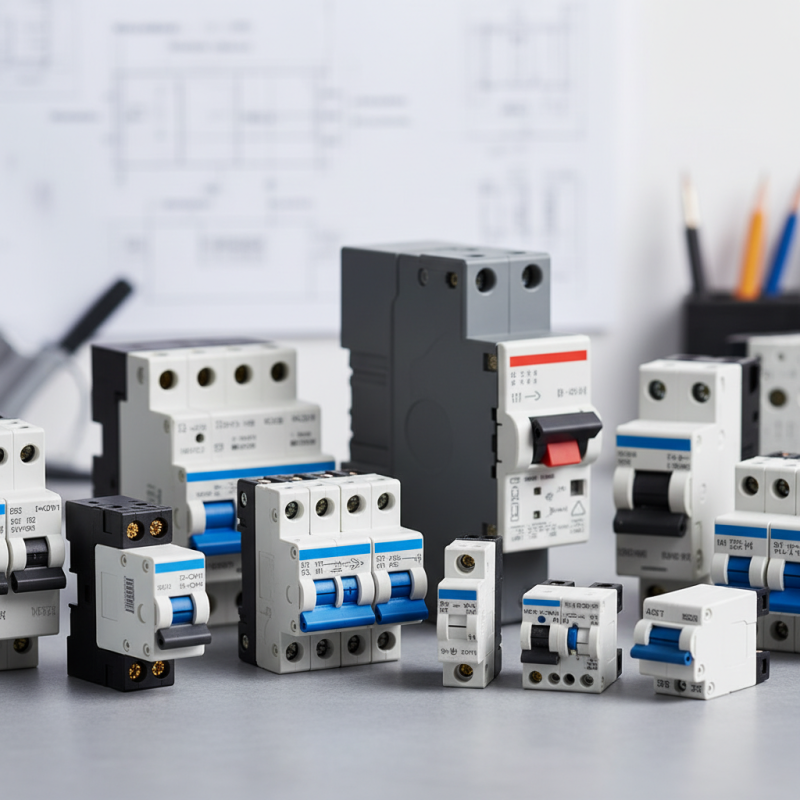
Understanding Electrical Breakers: Types and Functions
Understanding Electrical Breakers: Types and Functions
Electrical breakers are vital components in modern circuits. They automatically interrupt power flow during faults. This helps protect circuits and prevent fire hazards. According to recent industry reports, global demand for electrical breakers is projected to exceed $30 billion by 2026. This data highlights the importance of understanding the types and functions of these devices.
There are various types of electrical breakers: circuit breakers, residual current devices (RCDs), and ground fault circuit interrupters (GFCIs). Circuit breakers come in multiple styles, including miniature and molded case types. They play different roles in a residential or commercial setup. RCDs focus on preventing electrocution by detecting ground faults. GFCIs are essential in wet areas like kitchens and bathrooms. Each type serves unique functions that enhance safety.
It’s crucial to evaluate your specific needs when selecting a breaker. Not all devices suit every application. An underperforming breaker can lead to electrical issues. Moreover, misapplication can result in frequent tripping, which may disrupt daily operations. Regular maintenance is also necessary to ensure reliability. Investing time in understanding these components reduces risks and enhances electrical safety at your home or business.
Key Features to Consider When Buying Electrical Breakers
When purchasing electrical breakers, it’s crucial to consider several key features. The first is the breaker’s type. There are standard, GFCI, and AFCI breakers. Each type serves different purposes. Knowing your needs will guide you in making the right choice.
Next, the amperage rating is essential. It indicates the maximum current the breaker can handle without tripping. Choose a rating that matches your home’s electrical load requirements for optimal protection.
Another important aspect is the voltage rating. Most residential breakers are rated for either 120V or 240V. Select one that is compatible with your electrical system to avoid hazards. Installation ease is also worth considering. Some breakers are designed for straightforward DIY setups, while others require professional installation. If you’re unsure, consulting an electrician can provide invaluable insights. An inappropriate installation can compromise safety.
Finally, take note of the operational lifespan of the breaker. Quality breakers can last for decades, but some may fail earlier, leading to disruptive issues. Always inspect breakers regularly for signs of wear. Look for discoloration or corrosion, which can indicate problems. Choosing wisely now can prevent costly repairs later. Remember that poorly selected breakers can lead to electrical failures or safety hazards.
Market Trends and Innovations in Electrical Breaker Technology
The electrical breaker technology landscape is evolving rapidly. Innovations are shaping how we approach safety and efficiency in electrical systems. Newer models focus on enhanced energy management features. Automatic trip mechanisms are gaining popularity, offering better protection against overloads. This kind of functionality reduces fire risks and equipment damage.
Sustainability is another key trend. Many companies are investing in eco-friendly materials for breaker manufacturing. Smart breakers that connect to the Internet of Things are on the rise. These devices allow users to monitor energy consumption remotely. They also help in predictive maintenance through real-time data analysis.
While these advancements bring numerous benefits, some challenges exist. The integration of smart technology can be complex and costly. Moreover, not all users understand how to leverage these features effectively. Balancing innovation with usability is crucial. Continuous education is needed to ensure that users can adapt to these changes comfortably.
Top Brands and Manufacturers of Electrical Breakers in 2026
When selecting electrical breakers in 2026, knowing the top brands and manufacturers is essential. Look for companies that have a solid reputation. They often provide reliable products. Many leading brands focus on innovation, safety, and durability. It helps to research the features of their breakers. Understanding ratings and applications ensures you choose the right one.
Tips: Check online reviews. They can provide insights on the performance of different brands. Speaking with industry professionals also helps. They can share experiences about reliability and customer service from specific manufacturers.
Some brands may look promising, but their performance can vary. It’s important to question whether their products meet standards. Consider the warranty offered. A good warranty reflects confidence in the product's durability. Do not overlook customer service quality. Accessible support can be a lifesaver during a failure or malfunction.
Safety Standards and Regulations for Electrical Breakers
When it comes to electrical breakers, safety standards shape the industry. Regulations determine product reliability and safety. The National Electrical Manufacturers Association (NEMA) states that more than 20% of electrical failures stem from improper breaker installations. Understanding these failures is crucial for both buyers and installers.
Adhering to safety standards like IEC 60947-2 becomes essential. This international standard outlines performance requirements for circuit breakers. Products meeting this standard ensure compatibility and reliability in various environments. The latest report from the Electrical Safety Foundation International indicates that adherence to these regulations has reduced electrical accidents by 15% over the past decade.
However, not all products comply. A significant number of breakers available today do not meet the required standards. Users must be diligent in verifying certifications. Robust testing and quality control measure the effectiveness of these electrical devices. Engaging with a knowledgeable professional can help ensure that the right choices are made.



