Top 10 Access Network Switches You Should Consider?
In today’s fast-paced digital landscape, choosing the right Access Network Switch is crucial for any organization. These devices serve as the backbone of network infrastructure, enabling seamless communication and connectivity. With numerous options available, making an informed decision can be challenging.
Access Network Switches come with various features that cater to specific needs. From speed and port density to management capabilities, understanding these aspects is essential. The right switch can enhance performance, improve security, and reduce downtime. However, not every solution fits every environment.
Reflecting on your unique requirements is vital. Consider scalability for future growth and compatibility with existing hardware. Balancing cost against performance often leads to difficult choices. It's easy to overlook some details in the selection process, which can have lasting impacts. Research and firsthand experiences can guide your path toward the perfect Access Network Switch.
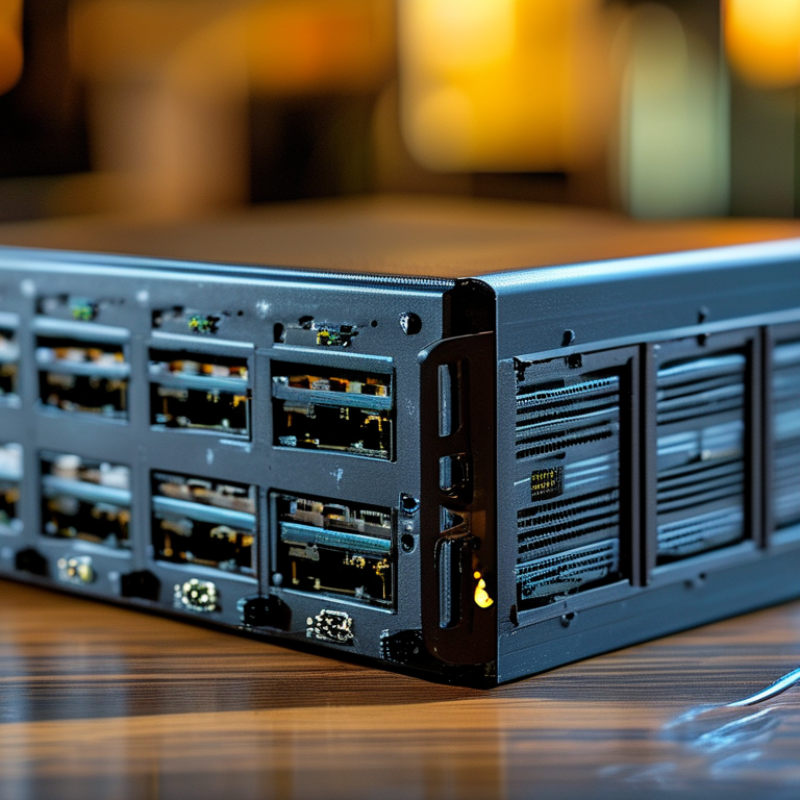
Understanding Access Network Switches and Their Importance
Access network switches play a crucial role in connecting devices within a network. They ensure efficient data transmission between devices, enhancing overall performance. Recent industry reports indicate that the access network switch market is projected to reach $15 billion by 2025, growing at a CAGR of 10%. This growth reflects the increasing demand for high-speed data transfer and connectivity in both residential and enterprise environments.
When selecting access network switches, it is vital to consider factors such as performance, scalability, and security. Many organizations overlook the importance of network security features, which are essential in today’s cyber threat landscape. A report from Cybersecurity Ventures predicts costs of cybercrime to reach $10.5 trillion annually by 2025. Ignoring security can lead to data breaches and significant financial losses.
Tip: Always evaluate your specific network needs before making a purchase. Ensure the switch supports the required protocols and bandwidth. Consider future scalability to accommodate growth.
Choosing access network switches should also prioritize energy efficiency. According to the Global e-Sustainability Initiative, energy-efficient devices can reduce operational costs by up to 40%. This commitment to sustainability not only saves money but also aligns with corporate social responsibility initiatives. Analyze the power consumption ratings and environmental impact of your options.
Tip: Look for models that have energy-saving features. These switches often come with power management capabilities that reduce energy waste.
Key Features to Consider When Choosing an Access Network Switch
When choosing an access network switch, several key features come into play. First, consider the number of ports. A switch with enough ports allows for network growth. Make sure to assess your current needs and future expansion plans. A switch with a minimum of 24 ports often serves well for small to medium-sized businesses.
Next, evaluate the switch's throughput capabilities. Look for specifications detailing data transfer rates. Gigabit speed is commonly adequate. However, for high-demand environments, opt for switches that support higher speeds. Speed impacts overall network performance significantly.
Power over Ethernet (PoE) is another critical feature. With PoE, you can power devices like IP cameras and phones directly through the network cable. This reduces clutter and saves on installation costs. Not all switches offer this, so it's important to check.
Lastly, consider the management options available. Managed switches provide more control over network settings. But, they do require a bit more expertise to configure. Balancing between capabilities and user-friendliness is vital.
Top 10 Access Network Switches: Overview of Features and Specs
When selecting access network switches, understanding their features and specifications is crucial. These switches serve as the heart of an organization's network. They facilitate communication between end devices and the core network, making their performance essential. It's vital to consider factors such as port density, power over Ethernet (PoE) capability, and management features.
Different switches offer various port counts and line rates. A higher port count allows for more devices to connect, which is great for growing businesses. PoE functionality can power devices like IP cameras and phones directly through the cable, simplifying installations. Features like VLAN support and Layer 3 routing enhance network efficiency and segmentation, which is particularly beneficial in complex environments.
However, not all switches are created equal. Some models may lack sufficient support for future growth, leading to scalability challenges. Reliability can be a concern with cheaper options, and organizations must weigh cost against long-term functionality. Every decision made now should align with future needs, ensuring that the chosen switch remains competent as demands change.
Comparative Analysis of the Leading Access Network Switch Models
When considering access network switches, a comparative analysis is crucial. Each model has unique features that cater to various requirements. A recent industry report from the International Data Corporation (IDC) highlighted that organizations prioritize scalability and performance. The data suggests that 45% of companies faced bandwidth issues in the last year, emphasizing the need for reliable switches.
Flexibility is a key factor in switch selection. Many leading models now support both Layer 2 and Layer 3 capabilities. This versatility allows organizations to adapt as their needs evolve. Furthermore, according to Market Research Future, the access switch market is expected to grow at a CAGR of 12% by 2025. This indicates an increasing demand for smarter, more efficient switch solutions.
Tip: Always assess your network's specific requirements. Matching the right switch with your organizational goals can prevent potential over-spending. Another tip is to look for switches with robust security features. Cyber threats are rampant, and a secure switch can be your first line of defense. Finally, consider future technologies, as investing in next-gen solutions may offer better long-term value.
User Scenarios: Selecting the Right Access Network Switch for Your Needs
When selecting the right access network switch, user scenarios are crucial. Different organizations have unique needs, ranging from small offices to large enterprises. For example, a small business may require a simple, cost-effective solution for core connectivity. Meanwhile, a large campus needs scalability and high performance to support multiple devices and users.
Consider the bandwidth and speed requirements of your environment. A switch that can handle high traffic spikes is essential for video conferencing or large file transfers. Moreover, think about future growth. If you plan to expand, opt for a switch with more ports and advanced features. Power-over-Ethernet (PoE) capabilities are also important, as they can simplify the deployment of devices like IP cameras and access points.
Security should not be overlooked. A switch with robust security features can prevent unauthorized access and protect sensitive data. Monitor network performance regularly to identify potential bottlenecks. Adjustments might be needed over time. The key is to choose a switch that meets both current and future demands while providing reliable performance.



