Ultimate Guide to Surge Protection Circuit Breaker Tips
Understanding surge protection circuit breakers is vital for any electrical system. These devices shield your equipment from damage caused by voltage spikes. Voltage surges can occur during storms or when heavy machinery operates. Such events can harm your sensitive devices, leading to costly repairs.
Investing in a surge protection circuit breaker can save you from future headaches. These breakers detect excessive voltage and interrupt the current flow. This immediate response can prevent severe damage. However, improperly installed or cheap products may not provide adequate protection. It's essential to choose high-quality materials and proper installation techniques.
Many people overlook surge protection in their homes or businesses. They think their regular circuit breakers suffice. This misconception can lead to considerable losses down the line. Take the time to review your surge protection strategy. It’s better to be proactive than reactive regarding electrical safety.
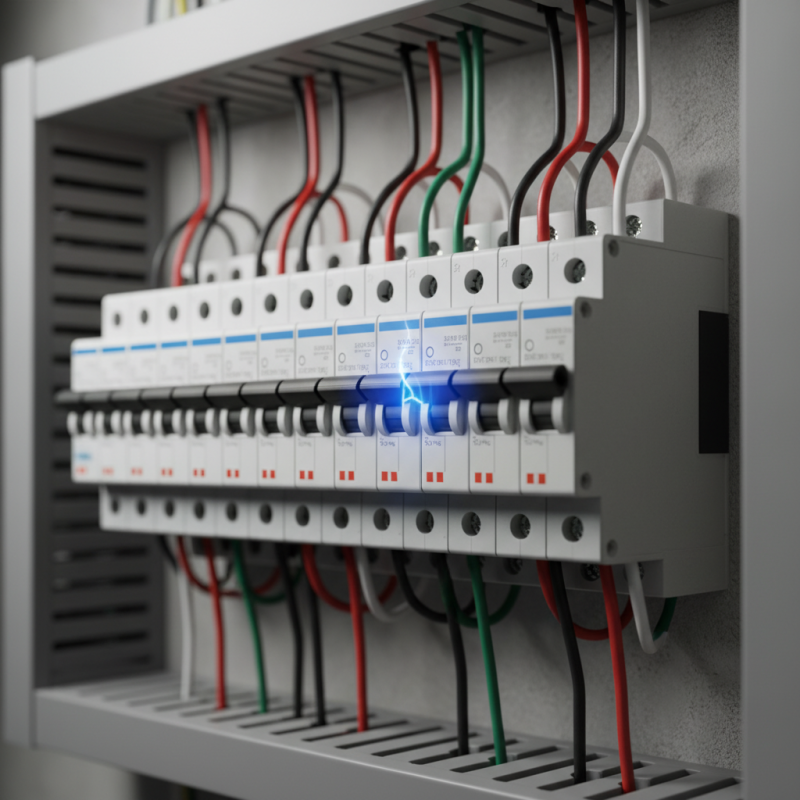
Understanding Surge Protection Circuit Breakers
Surge protection circuit breakers are crucial for safeguarding electrical devices from voltage spikes. These spikes can occur due to lightning, power outages, or faulty equipment. According to industry reports, surge events can cause billions of dollars in damages annually. Understanding how these protectors work can empower homeowners to make informed decisions.
Tip: Always ensure your surge protection devices match the voltage and type of equipment you are protecting. Inadequate ratings can lead to system failures.
These breakers function by interrupting the electrical flow when excess voltage is detected. This helps in preventing damage to sensitive electronics. However, not all breakers are created equal. Many users overlook the need for regular testing and maintenance. Faulty equipment can compromise the protection level significantly.
Tip: Consider upgrading older models that may not offer adequate protection against today's average power surges.
Protective devices can drastically reduce the risk of appliance damage. However, some residents still neglect surge protection installation. This oversight can lead to more severe issues, including complete equipment failure. Investing in quality surge protection is often viewed as a luxury, but it should be considered essential.
Types of Surge Protection Circuit Breakers
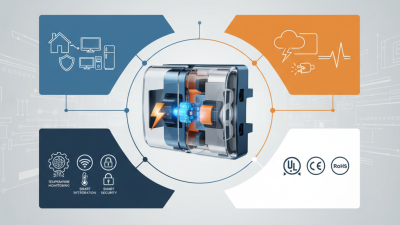
Surge protection circuit breakers come in different types, each designed for specific scenarios. The most common types include Type 1 and Type 2 breakers. Type 1 protection is usually installed at the service entrance. It protects against external surges, such as lightning strikes. On the other hand, Type 2 breakers are installed inside the building. They shield sensitive electronics from internal power surges caused by sudden load changes. Understanding these distinctions is crucial.
Another type, Type 3 breakers, is used for point-of-use protection. They are often found on power strips and appliances. These offer localized surge protection. While effective, their reliance on upstream breakers might leave some vulnerabilities. The placement of these devices matters significantly. If installed incorrectly, the protection may not work as intended. Review your setup regularly to ensure optimal performance. It’s easy to overlook the importance of proper installation, but doing so can save you from costly repairs.
Ultimate Guide to Surge Protection Circuit Breaker Tips
How Surge Protection Circuit Breakers Work
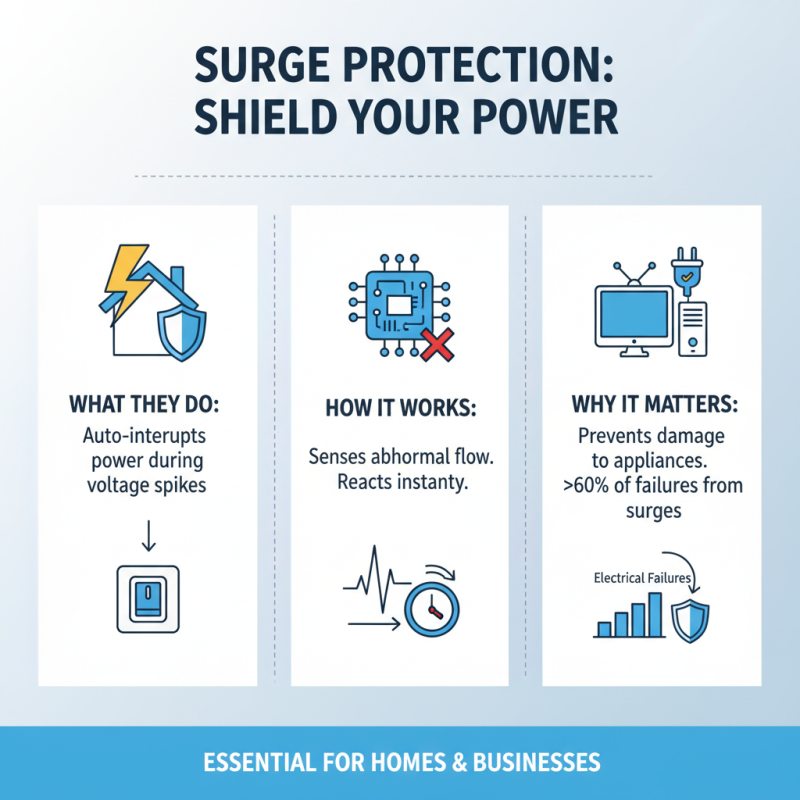
Surge protection circuit breakers are essential for safeguarding electrical systems. They work by automatically interrupting power during voltage spikes. When a surge occurs, the breaker senses the abnormal flow and reacts instantly. This quick response prevents damage to valuable appliances. Industry reports indicate that over 60% of electrical failures stem from surges. It’s crucial to equip homes and businesses with these protectors.
However, not all surge protection devices are equally effective. The National Electrical Manufacturers Association emphasized that proper installation impacts performance significantly. Many users overlook the importance of regular testing and maintenance. Ignoring these aspects can lead to diminished protection. Some devices might also lack adequate labeling, causing confusion about their effectiveness.
In certain cases, the location of the breaker impacts its performance. Breakers near entrances where surges are likely can provide better protection. Yet, users often place them in less appropriate locations, compromising safety. This highlights the need for ongoing education about proper surge protection strategies. Investing time in understanding these systems can save costly repairs in the long run.
Maintenance and Troubleshooting for Surge Protection Circuit Breakers
Surge protection circuit breakers are crucial for safeguarding electrical systems. Regular maintenance is essential for optimal performance. Start by inspecting the units for any visible wear. Dust and debris can accumulate, impacting function. Remove these obstructions gently to ensure airflow.
Proper testing is vital. Use a multimeter to check voltage levels. If readings are inconsistent, it may indicate a problem. Consider replacing the breaker if issues persist. Staying aware of these signals can prevent larger failures down the line.
Tips for maintenance include scheduling routine checks. Keep a log of inspections and repairs. This will help track any recurring issues. Look for signs like flickering lights or tripped breakers. These can signal an underlying problem needing immediate attention. Trust your instincts when something feels off. Ignoring small signs may lead to bigger headaches later.
Ultimate Guide to Surge Protection Circuit Breaker Tips - Maintenance and Troubleshooting for Surge Protection Circuit Breakers
| Tip Category |
Tip Description |
Maintenance Frequency |
Troubleshooting Steps |
| Regular Inspection |
Inspect for physical damage or wear on the breaker. |
Every 6 months |
Check for loose connections. |
| Test Trips |
Conduct regular trip tests to ensure the breaker operates correctly. |
Every 3 months |
Manually trip the breaker and reset it. |
| Clear Obstructions |
Ensure air vents and surroundings are free from debris. |
Monthly |
Remove dust or objects blocking airflow. |
| Check Connections |
Verify that all electrical connections are tight. |
Yearly |
Use a torque wrench to tighten terminals as needed. |
| Review Surge Protection Rating |
Ensure the breaker’s surge protection rating meets equipment needs. |
Every installation and after major changes |
Compare with manufacturer equipment specs. |