What is a Regulated Power Supply and How Does it Work?
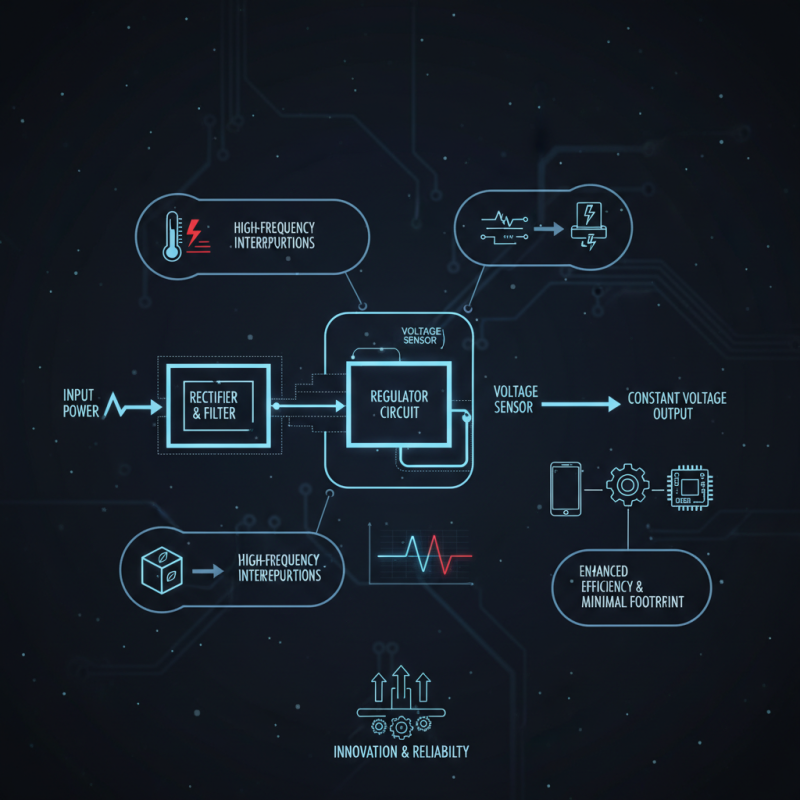
A Regulated Power Supply is a crucial component in many electronic devices. It ensures a constant voltage output, making it essential for delicate equipment. Dr. Emily Carter, an expert in electrical engineering, once stated, "A stable power supply is the backbone of reliable electronic performance." This highlights the significance of regulated power supplies in our technology-driven world.
Understanding how a regulated power supply functions is vital for engineers and hobbyists alike. These devices can maintain voltage levels despite variations in input power and load conditions. Yet, they are not without faults; issues like overheating or voltage spikes can compromise performance. It’s worth noting that some designs might not handle high-frequency interruptions well, leading to potential failure.
In the realm of innovation, regulated power supplies play a foundational role. They power everything from smartphones to industrial machines. However, the challenge remains: enhancing efficiency while minimizing footprint. As technology evolves, so must our approach to developing more dependable and compact regulated power supplies.
Definition of a Regulated Power Supply and Its Importance
A regulated power supply is essential in modern electronics. It ensures devices receive a stable voltage. This stability is crucial for the performance and longevity of electronic components. Without regulation, voltage fluctuations can cause malfunctions or damage.
The importance of a regulated power supply cannot be overstated. It helps maintain consistent power delivery. For example, sensitive devices like microcontrollers need precise voltage. Any deviation can lead to errors or failures. Regulators can handle varying input voltages and deliver the required output efficiently.
Tips: Always check the specifications of your devices. Matching the power supply's output to your device's needs is vital. Sometimes, users overlook this detail, leading to issues.
Additionally, consider the power supply's load capacity. An underpowered supply can overheat or even break down. Regularly assess the condition of your power supply. Inefficiencies may indicate deeper problems that need attention.
Regulated Power Supply Output Voltage Stability
This bar chart illustrates the output voltage of a regulated power supply under different load conditions. As the load increases, a regulated power supply maintains a stable output voltage, highlighting its importance in providing consistent power to electronic devices.
Basic Components of a Regulated Power Supply
A regulated power supply is crucial in many electronic devices. Its main components include a transformer, rectifier, filter, and voltage regulator. Each part plays a vital role in ensuring stable voltage output.
The transformer adjusts the input voltage. It steps down high voltage from the outlet to a lower voltage suitable for devices. Choosing the right transformer is important. An undersized transformer may lead to overheating.
The rectifier converts AC to DC. This step is necessary for most electronics. A common mistake is overlooking the type of rectifier used. A poor choice can affect efficiency.
Next is the filter, which smooths the output. It reduces voltage fluctuations, providing a steadier power supply. Sometimes this can be overlooked, leading to variable performance.
Finally, the voltage regulator maintains output stability. It compensates for load changes. Without it, devices may function erratically. An incorrectly specified regulator can cause issues.
Tips: Always verify compatibility between components. Ensure the size of the power supply matches your needs. A mismatch can lead to failures.
Pay attention to heat management. Power supplies can generate heat. Insufficient cooling may reduce lifespan. Regular maintenance checks can help reduce long-term issues.
How a Regulated Power Supply Operates Step by Step
A regulated power supply ensures stable voltage and current. It can be found in numerous devices, from computers to medical equipment. Understanding how it operates is crucial for design and troubleshooting.
The process begins with the AC input. This is transformed into DC using a rectifier. The rectified output is not smooth; it contains ripples. A filter smooths these ripples, but it does not regulate the voltage. This is where the regulator comes in. The regulator adjusts the voltage to the desired level, maintaining stability despite variations in input or load conditions.
Tips: When selecting a regulated power supply, consider the output specifications. Make sure it meets your device's requirements. Monitor the temperature; overheating could signal inefficiency or malfunctioning components.
Voltage regulation is vital in sensitive electronics. Sudden changes can lead to damage. Test your power supply regularly. A little routine check can prevent bigger issues later on. Keep an eye on the overall design. A simple mistake can lead to major flaws. Adjustments may be necessary as circuits evolve.
What is a Regulated Power Supply and How Does it Work?
| Component | Function | Description |
| Transformer | Voltage Adjustment | Adjusts the input voltage to the desired level. |
| Rectifier | AC to DC Conversion | Converts alternating current (AC) into direct current (DC). |
| Filter | Smoothing Voltage | Removes ripples from the rectified output to provide a smoother DC signal. |
| Regulator | Output Voltage Stabilization | Maintains a constant output voltage regardless of changes in load current or input voltage. |
| Output Capacitor | Voltage Stability | Helps in maintaining output voltage stability and reducing noise. |
Different Types of Regulated Power Supplies and Their Uses
Regulated power supplies are essential in many applications. They stabilize voltage and ensure devices receive consistent power. Different types exist, each serving specific needs.
Linear power supplies are one type. They use a transformer to reduce voltage. These supplies offer low noise and stable output. However, they are bulky and inefficient. Higher temperatures often occur, leading to potential overheating.
Switching power supplies are another common choice. They use a high-frequency switch to convert power. This design makes them compact and efficient. But, they may introduce electrical noise, affecting sensitive devices. Users should consider their needs carefully.
**Tips:**
- Check the voltage and current ratings before purchasing.
- Ensure adequate cooling for linear supplies to prevent overheating.
- Test switching supplies with sensitive devices to verify performance.
Common Applications and Benefits of Regulated Power Supplies
Regulated power supplies are vital in numerous applications. They stabilize output voltage, ensuring devices receive consistent power. This is essential for electronics, where fluctuations can cause failure.
In medical equipment, regulated power supplies ensure accuracy. Devices can only function correctly with a stable input. In industrial settings, they power machinery reliably. A slight voltage change can impact performance.
Moreover, regulated power supplies are often used in telecommunications. They maintain signal strength, contributing to clearer communications. However, one must consider the operational environment. Overheating or poor connection can lead to irregular performance. Continuous monitoring is necessary to avoid these pitfalls.



