What is a Pcb Board and How Does it Impact Electronics?
In the world of electronics, the phrase "Pcb Board" frequently arises. A Printed Circuit Board, commonly known as a Pcb Board, serves as the backbone of most electronic devices. Its role is crucial in connecting various components, ensuring they function seamlessly together.
The design and quality of a Pcb Board directly influence the performance of electronic gadgets. Modern devices rely on intricate Pcb Board layouts to optimize efficiency and functionality. Mistakes in the design can lead to significant malfunctions or failures. Thus, expertise in PCB design is essential for engineers and manufacturers.
Understanding the impact of a Pcb Board is vital for anyone involved in electronics, from hobbyists to professionals. Exploring its functions reveals insights into innovation and technology. Each Pcb Board tells a story of design, engineering, and the challenges faced during development. Recognizing these elements enhances our appreciation for the devices we often take for granted.
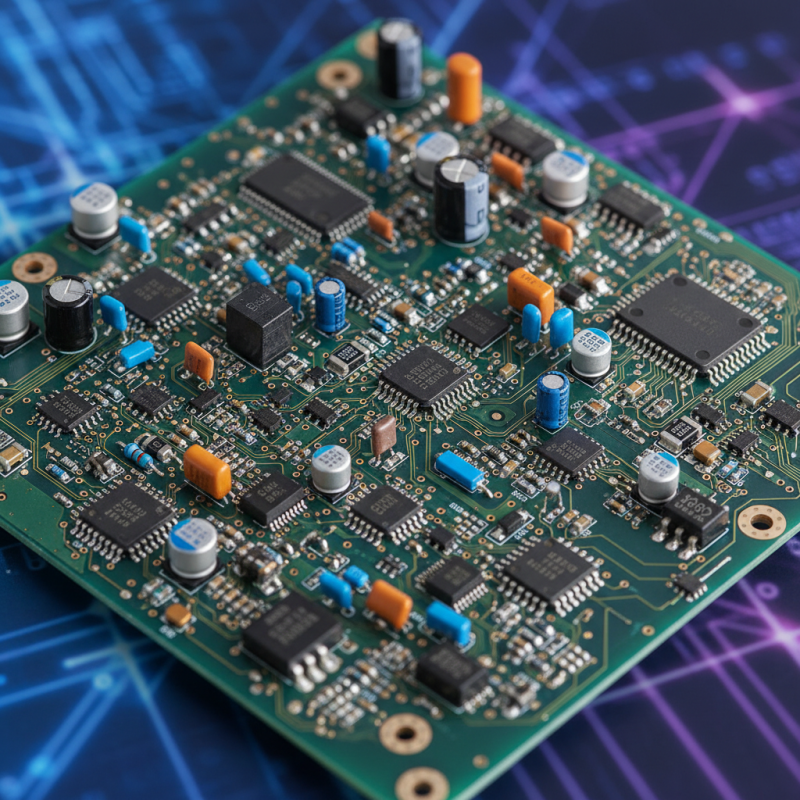
Definition and Functionality of PCB Boards in Electronics
A PCB board, or printed circuit board, plays a crucial role in modern electronics. It serves as the backbone for connecting various electronic components. These boards are made from insulating materials, often layered with conductive pathways. This structure allows electricity to flow between components, enabling devices to function properly.
The functionality of PCB boards goes beyond mere connections. They provide mechanical support and help in heat dissipation. A well-designed PCB can reduce interference between signals, enhancing performance. However, a poorly designed board can lead to issues like signal loss or short circuits. Designers must carefully consider layout, component placement, and material selection. Even small errors can cause significant problems in the final product.
PCB technology is evolving rapidly. Innovations in materials and design software are improving efficiency and reliability. Yet, maintaining quality control remains a challenge. Flaws in manufacturing can result in failed devices. Designers must constantly reflect on their work and seek feedback. This ongoing process is essential for creating successful electronic products.
Types of PCB Boards and Their Specific Applications in Various Industries
Printed Circuit Boards (PCBs) are essential components in electronic devices. There are various types of PCBs, each serving distinct functions across multiple industries. Rigid PCBs are the most common, found in devices like smartphones and computers. They provide stability and support the arrangement of components. Flexible PCBs, on the other hand, offer versatility. They are used in wearable technology, allowing for curves and bends without breaking.
In the automotive industry, PCBs are crucial for safety and efficiency. High-frequency PCBs are used in radar systems for navigation. These boards can handle high temperatures and vibrations. They must meet strict industry standards. In medical devices, PCBs ensure accurate readings and reliable performance. They often have to be compact yet powerful.
Despite their importance, creating the right PCB can be challenging. Designers must consider factors like heat dissipation and signal integrity. Mistakes in the design process can lead to device failure. This highlights the need for expertise in PCB manufacturing. Each application demands a thoughtful approach to PCB design and production, where every detail counts.
Impact of PCB Design on Electronic Performance and Reliability
PCB design plays a crucial role in the performance and reliability of electronic devices. A well-designed PCB can minimize electromagnetic interference and optimize signal integrity. These factors directly influence how efficiently a device operates. Poor design may lead to overheating or premature component failure. An effective design process considers the layout, material, and component placement carefully.
When designing a PCB, it is essential to balance size, cost, and functionality. Tiny errors can create significant issues. For instance, inadequate spacing between traces can lead to short circuits. Choose high-quality materials that can withstand environmental conditions for better longevity.
Tips: Regularly review and test your PCB designs. Collaborating with experienced engineers helps. Always maintain documentation of design changes to avoid future misunderstandings. Consistent feedback can unveil hidden flaws and drive improvements.
Current Trends in PCB Manufacturing Technologies and Materials
The landscape of PCB manufacturing is evolving rapidly. New materials and technologies are shaping the industry. Recent reports indicate the global PCB market was valued at approximately $61 billion in 2022 and is expected to grow at a CAGR of 4.3% by 2027. This growth is largely driven by advances in flexible PCBs and the rising demand for compact electronic devices.
Materials like high-frequency laminates and flexible substrates are gaining popularity. These materials offer better performance and durability. A report from ResearchAndMarkets emphasizes that flexible PCBs will dominate due to increasing use in smartphones and wearables. Companies are also focusing on eco-friendly materials to meet sustainability goals.
Tip: Always evaluate the material properties according to your project needs. Performance can vary significantly.
The adoption of automated manufacturing processes is also notable. Technologies such as additive manufacturing are transforming production lines. This helps reduce waste and improve precision, but not all designs suit these techniques. Some experts suggest maintaining a balance between innovation and traditional methods.
Tip: Test new technologies in small batches first. This approach reduces risk while optimizing production efficiency.
Challenges and Innovations in PCB Production and Sustainability Practices
The production of PCB boards faces significant challenges. Traditional manufacturing methods often generate excessive waste. This creates environmental concerns that affect sustainability efforts in electronics. Reducing toxic chemicals is crucial. Many manufacturers struggle to balance efficiency and eco-friendliness.
Innovations are emerging to address these issues. For example, advancements in materials lead to biodegradable options for PCBs. This shift could minimize waste in landfills. Further, adopting cleaner production technologies shows promise. These methods can lower energy consumption significantly. However, the cost of implementing these innovations can be prohibitive.
Sustainability practices are still evolving. The industry needs a commitment to long-term changes. Without widespread adoption of eco-friendly methods, progress will lag. Manufacturers must be willing to invest in research and development. Collaboration between companies and environmental experts is essential for meaningful change. This ongoing dialogue is vital for the future of PCB production.
What is a Pcb Board and How Does it Impact Electronics? - Challenges and Innovations in PCB Production and Sustainability Practices
| Dimension | Description | Impact on Electronics | Sustainability Practices |
| Material Type | FR-4, CEM-1 | Should offer good dielectric properties and thermal stability. | Use of recyclable materials to reduce waste. |
| Layer Count | Single, Double, Multi-layer | Affects size, complexity, and performance of the circuit. | Optimizing layers can reduce material use. |
| Manufacturing Process | Etching, Laminating, Drilling | Determines precision and reliability of circuits. | Adoption of eco-friendly etchants and efficient processes. |
| Testing Methods | Functional, Thermal, Electrical | Ensures functionality and reduces failure rates. | Non-destructive testing methods to minimize waste. |
| Market Trends | Smart technology integration | Increases demand for high-performance PCBs. | Focus on energy-efficient designs and materials. |



