Outdoor RMU Tips for Optimal Performance and Cost Efficiency?
Outdoor RMUs (Remote Monitoring Units) play a crucial role in enhancing operational efficiency while managing costs. The market for outdoor RMUs is expected to grow significantly. According to recent industry reports, it is projected to reach $2.5 billion by 2025. This growth reflects the increasing demand for reliable and efficient energy solutions.
Many businesses still overlook essential performance factors. Proper installation and maintenance of outdoor RMUs can lead to improved system reliability and reduced downtime. Industry studies indicate that about 30% of RMU failures stem from inadequate maintenance. This suggests a clear need for better practices in outdoor RMU management.
Furthermore, integrating smart technology into RMUs can offer real-time monitoring capabilities. This advancement allows for quick responses to potential issues. However, challenges remain in data management and system integration. Companies must address these hurdles to fully realize the benefits of outdoor RMUs. Such awareness can significantly improve both performance and cost efficiency in the long run.
Best Practices for Conducting Outdoor RMU Maintenance for Longevity
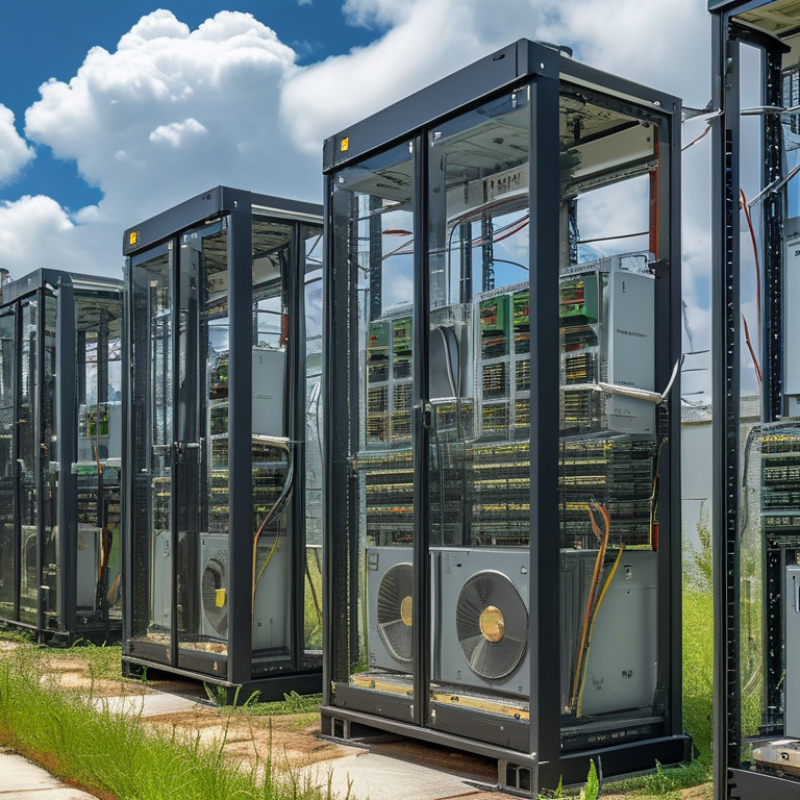
Outdoor RMUs require diligent maintenance for optimal performance and longevity. Regular inspections help identify potential issues early. Check seals, cables, and connections for wear. Look for signs of corrosion or damage, especially in harsh weather conditions. Such proactive measures minimize costly repairs and downtime.
Consider cleaning the RMU enclosure regularly. Dust and debris can inhibit functionality. Ensure all vents are clear. This maintains airflow, which is critical for cooling. Schedule these cleanings according to environmental conditions.
Here are some tips for effective maintenance:
- Always document your inspections and work performed.
- Use protective coatings on exposed metal parts.
- Train personnel on best practices.
An informed team is more effective in maintaining equipment.
Evaluating Environmental Factors Impacting Outdoor RMU Performance
When evaluating outdoor RMU (Remote Monitoring Units) performance, environmental factors play a crucial role. Temperature fluctuations can affect electronic components. Extreme heat can lead to overheating, while cold may cause battery failures. Regular monitoring of local weather patterns is essential. Heavy rain or snow accumulation can also disrupt functionality, making it important to consider drainage solutions in RMU placement.
Wind is another factor often overlooked. Strong gusts can sway or damage RMUs, potentially leading to data inaccuracies. Proper anchoring and housing are vital to reduce risks. Additionally, sunlight exposure can degrade materials over time. Using UV-resistant coatings and materials can enhance durability. It’s a balancing act—finding the right materials while considering costs.
Unexpected weather events can strain RMU systems. Consider the implications of long-term exposure to local conditions. Some locations may face frequent floods or extreme storms. This variability raises questions about resilience and adaptability. Regular assessments can highlight weaknesses. Seeking out areas with stable microclimates can minimize risks and enhance performance.
Cost-Effective Upgrades: Enhancing Outdoor RMU Functionality
Upgrading outdoor RMUs (Ring Main Units) can significantly improve their performance and cost efficiency. This is crucial for facilities management and energy distribution systems. Investing in intelligent monitoring devices can provide real-time data and ensure optimal functioning. Such upgrades allow for better predictability in maintenance and operational costs.
One key tip is to regularly assess your RMU's components. Aging equipment can lead to inefficiencies. Replacing or retrofitting parts can yield significant savings. Examine connections and insulation quality periodically. Simple fixes can prevent larger failures and costly repairs down the line.
Another suggestion is to consider modular designs. They can be expanded or improved based on future needs. This flexibility allows for adjustments over time without major overhauls. Experimenting with automation can often enhance reliability while decreasing manual oversight. However, not every facility may benefit from extensive automation, prompting a need for careful evaluation.
Outdoor RMU Tips for Optimal Performance and Cost Efficiency
| Upgrade Option | Performance Improvement (%) | Cost Savings ($) | Payback Period (Years) |
| Smart Monitoring System | 15 | 5000 | 2 |
| Improved Insulation | 10 | 3000 | 1.5 |
| Regular Maintenance | 5 | 2000 | 1 |
| Environmental Protection Upgrades | 12 | 4000 | 2.5 |
| Energy-efficient Components | 20 | 6000 | 1.8 |
Energy Efficiency Standards for Outdoor RMU Systems in Different Climates
When considering outdoor RMU (Ring Main Unit) systems, energy efficiency standards can vary significantly across different climates. In humid environments, moisture resistance becomes crucial. RMUs need robust insulation and sealing technologies to prevent water damage. Without these features, systems might fail prematurely. It's essential to regularly check equipment for wear and tear.
Cold climates present a distinct challenge. Systems must be designed to operate effectively at lower temperatures. This often calls for advanced thermal insulation to minimize energy loss. Additionally, heating systems may be required to prevent freezing, which adds to operational costs. Proper site selection can mitigate risks, but the balance between performance and cost can be delicate.
Warmer regions require effective cooling solutions. Overheating can lead to system failures and increased maintenance. Implementing passive cooling techniques such as shaded installations can improve efficiency. Frequent visual inspections are necessary, yet many operators overlook this essential practice. While aiming for efficiency, it’s vital to continually assess and adapt systems to fit specific environmental demands. This ongoing evaluation is key to achieving optimal performance.
Data-Driven Strategies for Optimizing Outdoor RMU Operations and Costs
Optimizing outdoor RMU operations requires data-driven approaches. Analyzing operational data reveals trends and inefficiencies. This insight helps identify areas for cost reduction. Regularly monitoring energy usage can uncover potential savings. Continuous assessment is essential for long-term sustainability.
Here are some useful tips to enhance efficiency. Focus on precise inventory management to reduce excess. Monitor equipment performance closely to avoid unexpected failures. Implement predictive maintenance based on data analytics. This reduces downtime and extends equipment lifespan.
Invest in staff training to ensure optimal operation. Engaged employees are likely to identify hidden challenges. Use visual management tools to track progress. Keeping everyone informed can foster a proactive culture. Remember, it’s okay to question existing methods. Reflecting on processes can lead to innovative solutions and improvements.
Outdoor RMU Performance and Cost Efficiency Analysis



