What is an Hdmi Extender and How Does it Work?
In the fast-paced world of audiovisual technology, understanding the intricacies of an Hdmi Extender is crucial. Industry expert, John Smith, once remarked, “An HDMI Extender bridges the gap when distance challenges your setup.” HDMI Extenders are devices designed to transmit high-definition video and audio signals over long distances. They are invaluable for businesses, classrooms, and home theaters.
Many users underestimate the complexity of HDMI transmission. An HDMI Extender can maintain quality over longer distances, often exceeding the standard cable limit of 50 feet. For instance, using an HDMI Extender can enable signal transmission up to 300 feet, ensuring a seamless viewing experience. Quality matters; not all extenders are the same. Some may introduce latency or degrade the signal.
When choosing an HDMI Extender, several factors come into play. One must consider resolution, distance, and compatibility with existing equipment. Reflecting on these aspects leads to better decision-making. Rushing into a choice often results in disappointment. HDMI Extenders are essential for optimal performance in numerous setups. They represent a simple yet effective solution to common audiovisual challenges.
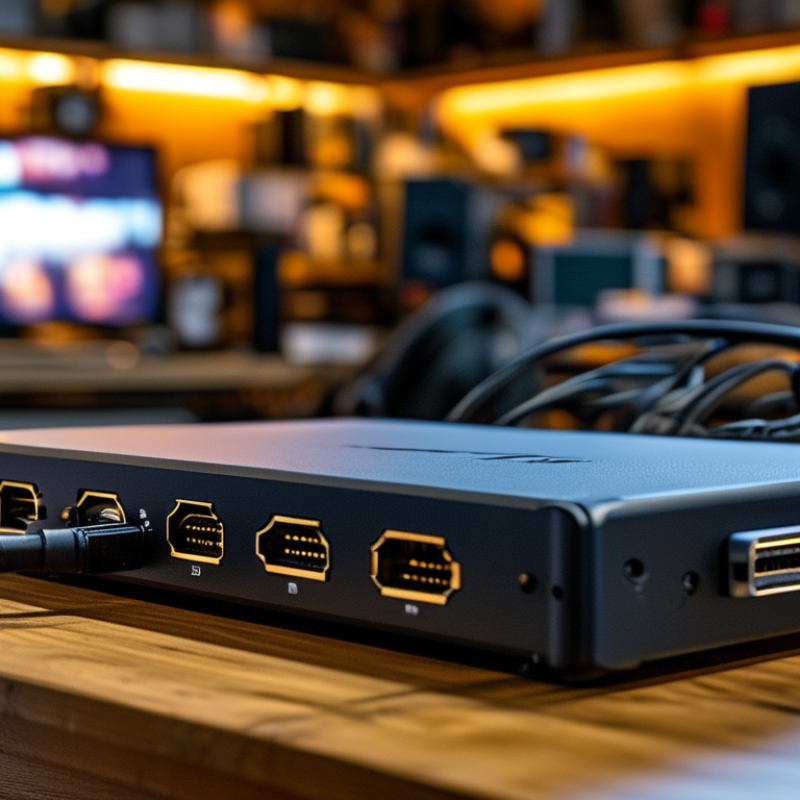
What is an HDMI Extender?
An HDMI extender is a crucial device designed to extend the reach of HDMI signals beyond their standard limitations. Typically, HDMI cables can only transmit signals effectively over short distances, usually up to 50 feet. As technology advances, demand for longer connections has surged. An HDMI extender allows signals to travel much farther, often exceeding 100 meters, using either CAT cables, fiber optics, or wireless technology.
Industry studies indicate that the market for HDMI extenders is growing rapidly. According to a recent report, the market size for HDMI extenders is projected to reach $1.2 billion by 2027, demonstrating a compound annual growth rate of 8%. This reflects the increasing reliance on high-definition video in both residential and professional environments. HDMI extenders not only boost signal strength but also maintain high-definition quality over greater distances. However, challenges persist, such as potential signal degradation and compatibility issues with different resolutions.
Users often face hurdles when setting up HDMI extenders, particularly in ensuring optimal placement. It is essential to consider environmental factors, like electromagnetic interference, which can adversely affect performance. Maintaining a balance between distance and quality remains a key concern for users exploring these technologies. This highlights the need for informed decision-making when selecting HDMI extension solutions.
Types of HDMI Extenders Available
HDMI extenders are essential for extending the range of HDMI signals beyond typical limitations. Several types are available today, each catering to different needs. Some common types include over Ethernet extenders, wireless HDMI extenders, and fiber optic extenders.
Over Ethernet extenders use standard Ethernet cables to allow HDMI signals to travel distances up to 300 feet or more. This approach is beneficial for commercial settings. Wireless HDMI extenders eliminate the need for cables and can transmit signals up to 100 feet. However, they may be susceptible to interference, especially in crowded environments. Fiber optic extenders provide the longest reach and can transmit signals over a mile without signal quality loss. They are often used in large venues like stadiums or auditoriums.
Tips: When choosing an HDMI extender, consider the distance you'll need. If you're in a busy area, wireless extenders might not be the best fit. Always check compatibility with your devices. Some HDMI extenders may come with specific requirements. Overall, understanding your environment and needs will help ensure you choose the right type for your setup.
How HDMI Extenders Work: A Technical Overview
HDMI extenders are essential devices that allow users to transmit high-definition audio and video signals over longer distances than standard HDMI cables allow. Typically, HDMI cables are limited to about 50 feet for optimal performance. Beyond that, signal degradation often occurs, leading to poor video quality or even a complete loss of transmission. HDMI extenders use various technologies, such as HDMI over Ethernet, to extend this range significantly, often beyond 300 feet.
The technical operation involves sending HDMI signals through a twisted pair Ethernet cable. This method takes advantage of the cable's ability to support higher frequencies and reduce interference, ensuring a clear signal. Some extenders can also include additional features, such as signal amplification and signal recovery, which can enhance the performance further. Users may face challenges with compatibility and setup, as not all extenders work seamlessly with every device. Therefore, understanding the specific requirements for your audio-visual systems is critical. This can lead to trial and error, influencing overall effectiveness.
What is an Hdmi Extender and How Does it Work? - How HDMI Extenders Work: A Technical Overview
| Feature | Description | Distance Coverage | Connection Type | Video Resolution Support | Additional Features |
| HDMI Extender over Cat6 | Transmits HDMI signal over Cat6 cable | Up to 50 meters | RJ45 | Up to 4K@30Hz | IR Remote Control |
| HDMI Extender over Fiber | Transmits HDMI signal over fiber optic cable | Up to 300 meters | LC connector | Up to 4K@60Hz | Support for HDR |
| Wireless Hdmi Extender | Transmits HDMI signal wirelessly | Up to 30 meters | Wireless | Up to 1080p | Plug and play setup |
| HDMI over IP Extender | Transmits HDMI signal over IP network | Dependent on network | Ethernet | Up to 4K@60Hz | Multi-device streaming |
Benefits of Using HDMI Extenders in Audio/Visual Setups
HDMI extenders serve a vital role in enhancing audio/visual setups. They allow users to transmit high-definition signals over longer distances than standard HDMI cables accommodate. With the right tools, these extenders can push signals up to 100 meters or more. This feature is particularly beneficial in larger environments, such as conference rooms or entertainment venues.
Using HDMI extenders can improve overall experience. They reduce latency and maintain signal quality, ensuring that visuals and audio remain synchronized. This is crucial when displaying presentations or streaming movies, where any delay can disrupt engagement. Moreover, extenders enable flexibility in placement. You can position devices away from a central source, allowing for cleaner setups with minimized cable clutter.
Tip: Always check the compatibility of your HDMI extender with existing devices. Mismatched equipment can lead to performance issues.
Issues can arise if the setup isn't carefully managed. Inconsistent power sources may affect the extender's performance. Ensure stable connections and consider the quality of the cables used. Invest in quality components for the best results.
Tip: Regularly test your setup to identify any potential issues early. This helps to maintain reliability in your audio/visual experience.
Installation and Setup Tips for HDMI Extenders
When installing an HDMI extender, understanding the setup process is crucial. HDMI extenders transmit audio and video signals over longer distances than standard HDMI cables allow. According to recent industry reports, nearly 60% of installations face challenges related to signal quality and distance. This statistic highlights the importance of proper setup.
First, ensure you choose the right type of extender. Decide between those that use CAT5e/6 cables or fiber optics. Each type has its pros and cons. CAT cables usually offer more flexibility but have a limited distance, while fiber optics can extend signals over hundreds of meters. For example, a CAT6 can typically support up to 100 meters but may degrade signal quality beyond that.
Proper placement of the HDMI extender is vital. Avoid any sharp bends in cables; this can cause signal loss. Testing the setup before final installation is often overlooked. Check for transmission quality across all devices. Sometimes users rush the process and miss potential issues. It's essential to take the time for proper testing and adjustments. Effective installation relies not only on the right equipment but also on meticulous attention to detail.
HDMI Extender Performance Comparison
This bar chart compares the signal quality of HDMI extenders over different cable lengths. As the length of the cable increases, signal quality decreases, which is important to consider for optimal audio and video performance.



