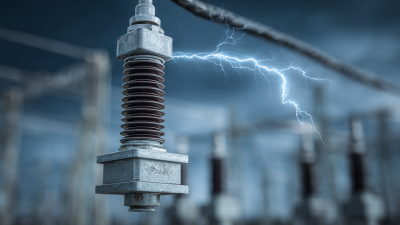
Essential Tips for Effective Surge Protection at Home
In today's digital age, effective surge protection at home is more vital than ever. According to John Doe, a leading expert in the surge protection industry, "The best defense against electrical surges is preparation." Homeowners often overlook this critical aspect of electrical safety. However, without proper measures, valuable electronics can be at risk.
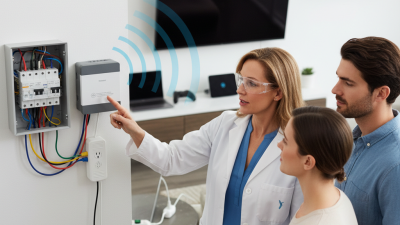
Surges can occur unexpectedly, damaging devices and creating costly repairs. Simple actions can enhance protection. Use surge protectors for essential appliances. Check existing wiring for potential risks. Consider whole-house surge protection systems for maximum safety. Each step adds a layer of security.
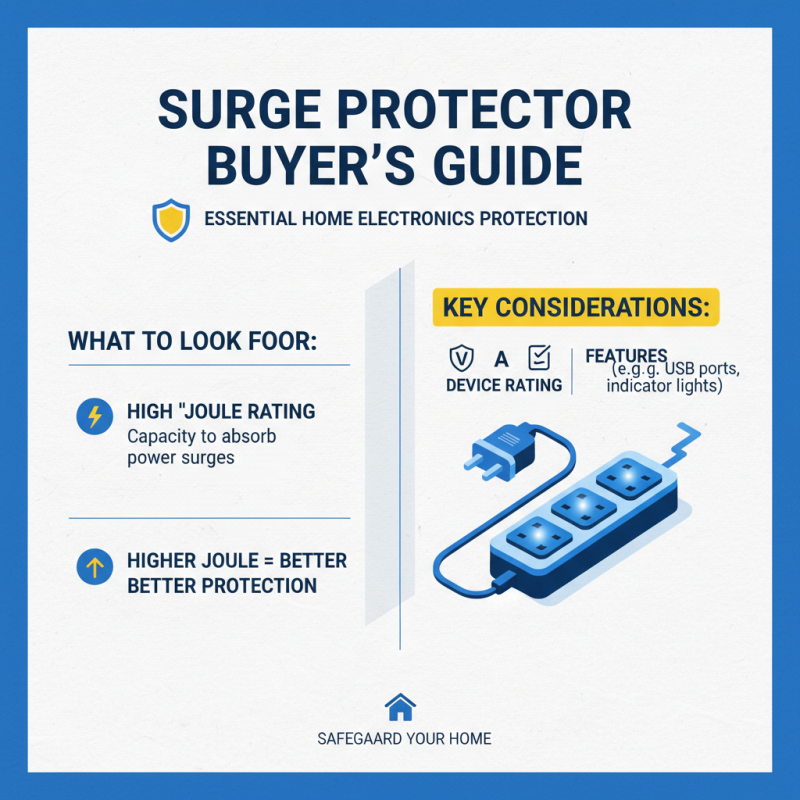
Despite advancements in technology, many still underestimate surge protection. Relying solely on power strips may not be enough. Homeowners should reflect on their current setup and assess vulnerabilities. Investing in quality surge protection can save money in the long run. Taking action today ensures a safer tomorrow for home electronics.
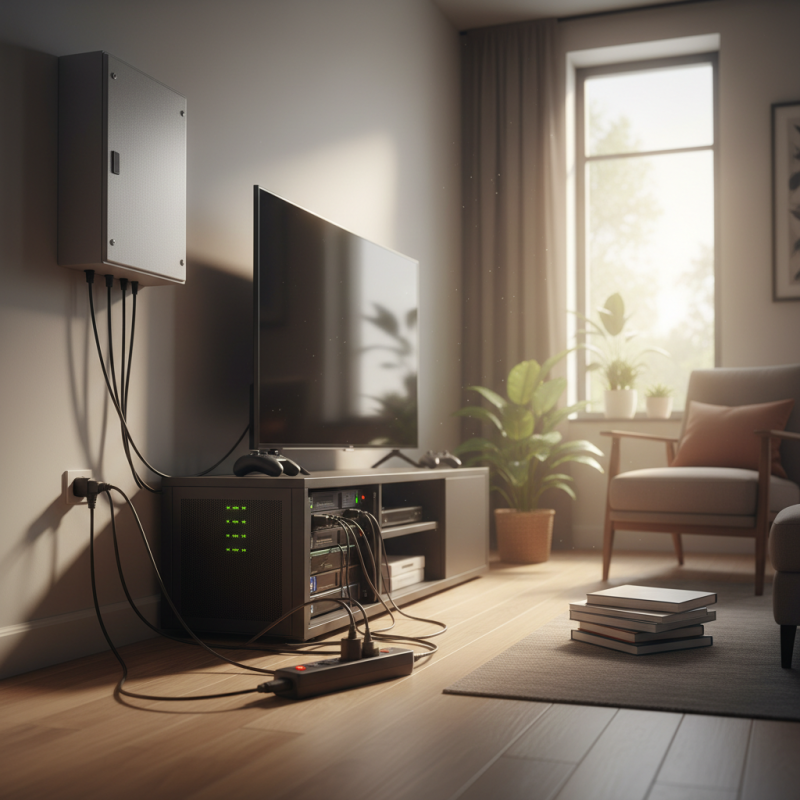
Essential Understanding of Voltage Surges and Their Impact on Home Electronics
Voltage surges can do significant damage to home electronics. These surges occur when there's a sudden spike in electrical current. Lightning strikes, faulty wiring, or large appliances can cause these spikes. The impact can range from temporary disruptions to complete device failure. Many people are unaware of how vulnerable their devices are.
Protecting your home from voltage surges is crucial. Installing surge protectors can help safeguard your valuable electronics. Some devices may not have built-in protection. This can be a real oversight. Regularly check your surge protection devices, as they can wear out over time. It's easy to neglect these details, but doing so may lead to costly repairs.
Understanding the nature of these surges is also vital. Not all devices react the same way to surges. Some electronics may fail immediately, while others might suffer from gradual damage. This difference can be tricky to spot. Homeowners often overlook the need for regular electrical system checks. Awareness is a key step in protecting your investments.
Common Sources of Power Surges: Lightning Strikes to Power Grid Failures
Power surges can wreak havoc in homes. Understanding their common sources is crucial. Lightning strikes are one of the most dramatic causes. According to the National Weather Service, lightning causes thousands of power surges each year. A single strike can send millions of volts into electrical systems. This surge can damage appliances instantly.
Power grid failures pose another significant threat. Overloaded systems can cause sudden spikes in voltage. The Electrical Safety Foundation International reports that surge events due to grid failures are on the rise. These unpredictable events can compromise sensitive devices like computers and televisions. Regular maintenance and updates can reduce vulnerability but aren't foolproof.
To protect your home, consider a few essential tips. Install whole-house surge protectors. These systems act as a barrier against incoming surges. Check and replace older outlets that may lack adequate shielding. Lastly, unplug unused or sensitive electronics during severe weather to prevent unexpected damage. Staying proactive can save you money and stress. Remember, power surges are unpredictable, so preparation is key.
Common Sources of Power Surges
Installation Best Practices for Surge Protection Devices in Residential Settings
When it comes to surge protection in residential settings, installation best practices can make all the difference. Surge protection devices (SPDs) are crucial. They prevent electrical surges from damaging your home appliances. According to a report from the Electrical Safety Foundation International, power surges cause millions in property damage each year. Proper installation can significantly lower this risk.
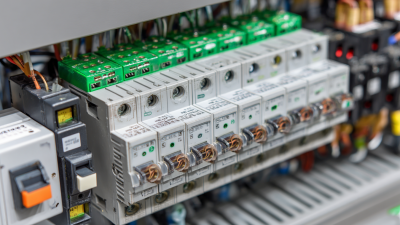
Choose the right type of SPD for your needs. Whole-house surge protectors are ideal for comprehensive coverage. These devices are installed at the main service panel. It’s essential to ensure they meet the required voltage ratings. Regular inspections are vital. A neglected SPD can become ineffective over time. The National Electrical Code suggests performing checks annually, but many homeowners forget.
Connections matter too. All wiring must be robust and free from corrosion. A weak link can compromise your entire surge protection system. Many installations fail due to improper grounding. Grounding reduces the surge impact on your devices. It's common to overlook this step, yet it's critical for effective protection. Not every home is equipped to handle spikes. Each system must be evaluated based on actual electrical usage and previous surge incidents. Awareness of these factors is crucial for a safe living environment.
Regular Maintenance and Monitoring: Ensuring Long-Term Surge Protection Effectiveness
Surge protection is crucial for home safety. Regular maintenance is key to effective surge protection. Many homeowners overlook this aspect. According to a report by the Institute of Electrical and Electronics Engineers (IEEE), improper maintenance of surge protection systems increases the risk of damage by 75%.
Monitoring your surge protection devices is essential. Check them periodically for signs of wear. This can include discoloration or corrosion. The National Fire Protection Association states that 50% of surge protection failures stem from lack of proper upkeep. Don’t wait for a storm to strike. Being proactive can save you from costly repairs.
Evaluate your home’s electrical system regularly. Seek professional advice if needed. Understand the limitations of your current surge protectors. Many devices wear out over time, reducing their effectiveness. Remember, preventive actions today can prevent future disasters. Regular monitoring may feel tedious, yet it’s vital for long-term protection.
Stay informed and take action. Your home deserves the best protection against surges.