In today's fast-paced energy landscape, the efficiency of DC switches is paramount. The global market for DC switches is projected to reach $1.36 billion by 2026, reflecting a growing demand for reliable and high-performance devices. Given the rising adoption of renewable energy sources, optimizing DC switches can significantly enhance overall system efficiency.
Many industries often overlook the importance of effective DC switch usage. Data indicates that up to 30% of energy could be lost through improper connections. Such losses point to the need for improved understanding and application of DC switch technologies. Small changes in DC switch configuration can lead to substantial gains in performance and energy efficiency.
As we delve into the best practices for DC switches, it becomes clear that continuous improvement and learning are crucial. Many organizations have room for growth in their switch strategies. Reflecting on these aspects can lead to enhanced performance in electric vehicles, renewable installations, and more. The future of energy management may depend heavily on how effectively we optimize these critical components.
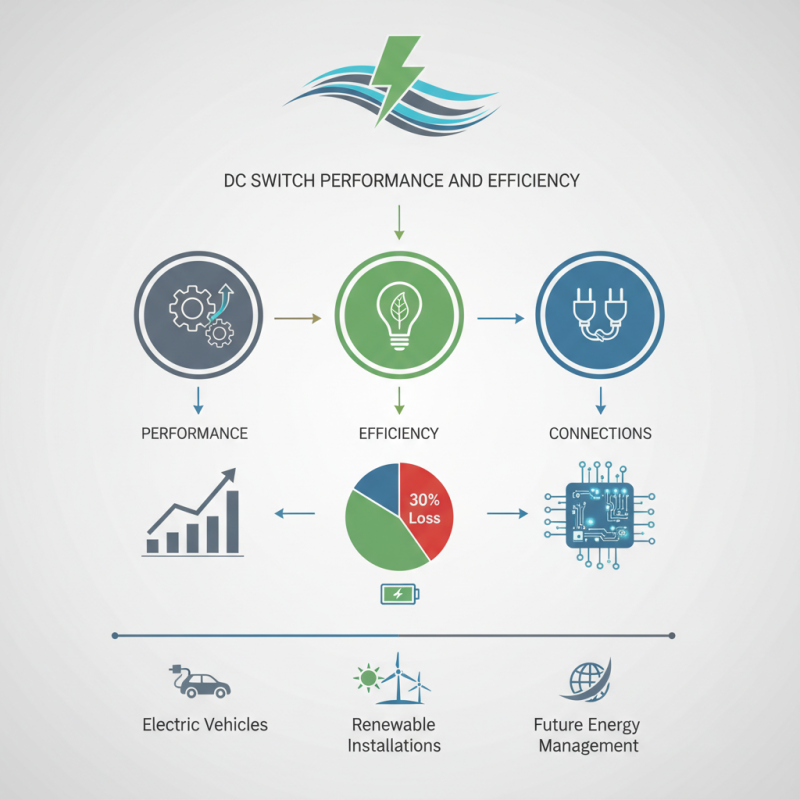
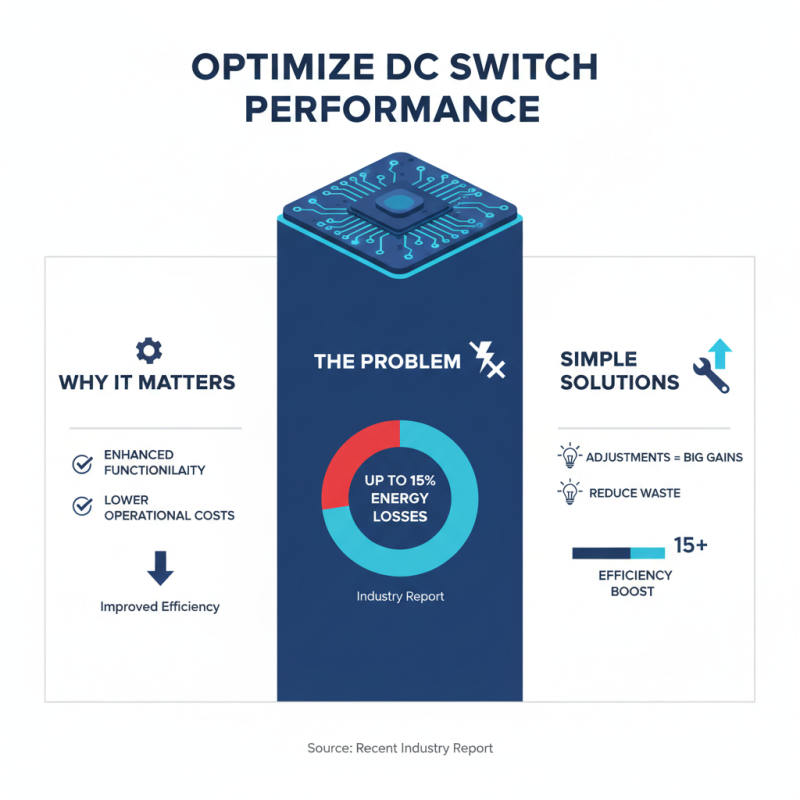
In today’s fast-paced tech environment, optimizing DC switch performance is crucial. Improved efficiency not only enhances functionality but also lowers operational costs. According to a recent industry report, energy losses in DC switch systems can reach up to 15%. Simple adjustments can significantly improve these numbers.
Tip 1: Regularly inspect connections. Loose connections lead to higher resistance, causing energy waste. A small adjustment can yield better conductivity. Ensuring your connections are tight may save energy that goes unnoticed.
Tip 2: Monitor temperature levels. High temperatures can degrade performance and increase losses. Implementing proper cooling strategies can enhance the longevity of the system. Research indicates that systems running at optimal temperatures can boost efficiency by as much as 20%.
Tip 3: Upgrade to better materials. The choice of materials in switch components affects overall performance. Higher quality materials may offer lower resistance and better conductivity. This necessity is often overlooked but can lead to significant improvements in operational efficiency. Small changes can lead to significant results.
DC switches play a crucial role in power distribution systems. They manage the flow of electricity, ensuring efficient distribution. Understanding how these switches operate can enhance system reliability and performance. According to a recent report by the International Energy Agency, switching efficiency directly impacts overall system efficiency by up to 5%. This highlights the need for optimized switch functionality.
One tip is to regularly check for wear and tear. Over time, DC switches may degrade, leading to inefficiencies. Replacing these components can improve performance. Monitoring can prevent system failures that disrupt service. Remember, small issues can escalate.
Another crucial aspect is selecting appropriate switch ratings. Using switches rated for higher currents than needed may seem beneficial but can lead to overheating. Experts recommend assessing your specific power needs accurately. Balancing specifications will enhance safety and efficiency while minimizing unnecessary costs.
Choosing the right DC switch is crucial for performance and safety. Optimal sizing depends on load requirements. A switch that's too small may cause overloads. An oversized switch can lead to inefficiencies. It is essential to assess the operational demands of the system.
Consider the maximum current draw of the connected devices. Look for potential future expansions as well. This foresight helps prevent sudden failures. On the other hand, keep in mind the physical dimensions of the switch. Space constraints can limit your options. A mismatch in size could disrupt installation plans.
Remember to evaluate safety features too. Short circuits are a definite concern. An appropriately sized switch minimizes risks. However, simply relying on specs is not enough. Experienced technicians suggest regular testing and assessments. It ensures switches continue to perform as expected. Balancing all these factors can be challenging, but it’s vital for efficiency.
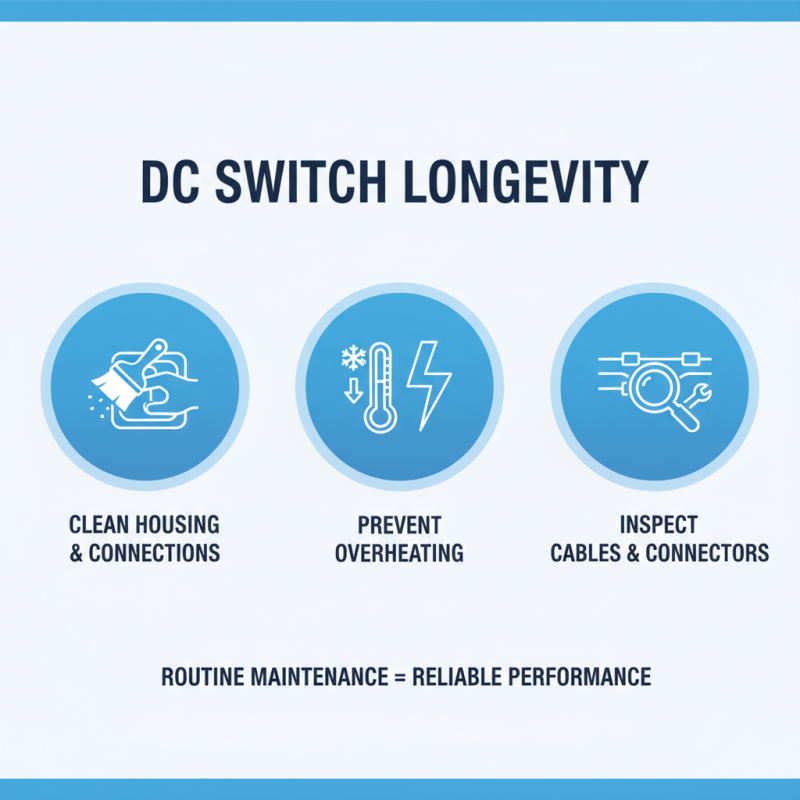
To ensure the longevity of DC switches, regular maintenance is essential. Dust and debris can accumulate over time, affecting their performance. Cleaning the switch housing and connections can prevent overheating and preserve functionality. A routine inspection of cables and connectors is also crucial. Check for wear and tear that may lead to failure.
Another critical practice is the secure mounting of switches. Loose installations can cause physical stress, which may compromise their operation. Testing the switch periodically for proper function can identify potential issues before they escalate. Listening for unusual sounds during operation might signal underlying problems.
Finally, keeping a record of maintenance activities is invaluable. Unexpected failures can often be traced back to overlooked maintenance tasks. Reflecting on past practices can illuminate areas for improvement. This proactive approach fosters better performance and efficiency in DC switches.
Innovative design in DC switches is transforming the energy landscape. Modern switches now use advanced materials and processing technologies. This evolution enhances efficiency and performance significantly. Lightweight components reduce overall system weight. High-temperature superconductors enable better energy handling.
Moreover, new cooling methods, like liquid cooling systems, address heat management challenges. Proper thermal regulation enhances switch lifespan and reliability. Some designs still struggle with complex integration into existing systems. This limits widespread adoption. Ensuring compatibility remains a key concern for many engineers.
Lastly, smart features are becoming commonplace. Integrated sensors monitor real-time performance, providing valuable data. This technology can lead to predictive maintenance strategies. However, reliance on software can introduce new vulnerabilities. Cybersecurity risks must be addressed, ensuring safe operation. Continuous improvement is essential in overcoming these challenges.
| Dimension | Description | Benefit | Efficiency Improvement |
|---|---|---|---|
| Voltage Rating | Optimized for specific applications to handle varying load conditions. | Enhances reliability and extends service life. | Up to 15% efficiency gain in load management. |
| Thermal Management | Utilizes heat sinks and thermal pads to dissipate heat effectively. | Prevents thermal overload, improving operational stability. | Reduces heat-related performance losses by 20%. |
| Control Features | Advanced switches include smart control features for automation. | Improves user experience and operational efficiency. | Up to 30% increase in system responsiveness. |
| Materials Used | Utilizes high-conductivity materials for better conductivity. | Reduces energy loss across the switch. | Enhances efficiency by up to 25% in energy transfer. |
| Testing Standards | Complies with international testing standards for quality assurance. | Ensures safety and functionality across all applications. | Improves product longevity by adhering to quality metrics. |