What is a Cnc Lathe Machine and How Does It Work?
In today's manufacturing landscape, the Cnc Lathe Machine stands out as a vital tool. Expert John Smith, a leader in machining technology, states, "Cnc lathes revolutionize the way we approach precision engineering." Understanding how these machines operate can unlock new possibilities in production efficiency and accuracy.
The Cnc Lathe Machine excels in transforming raw materials into finely tuned components. It uses computer numerical control to dictate movements, allowing for intricate designs. However, with great power comes great responsibility. An operator's skill level can significantly impact the outcome. Therefore, training is essential.
Many industries benefit from Cnc lathe technology. Aerospace, automotive, and medical sectors rely on its precision. Yet, operators must also navigate challenges. A poorly calibrated machine or incorrect programming can lead to costly errors. Reflection on these factors is crucial for advancement in this field.
What is a CNC Lathe Machine?
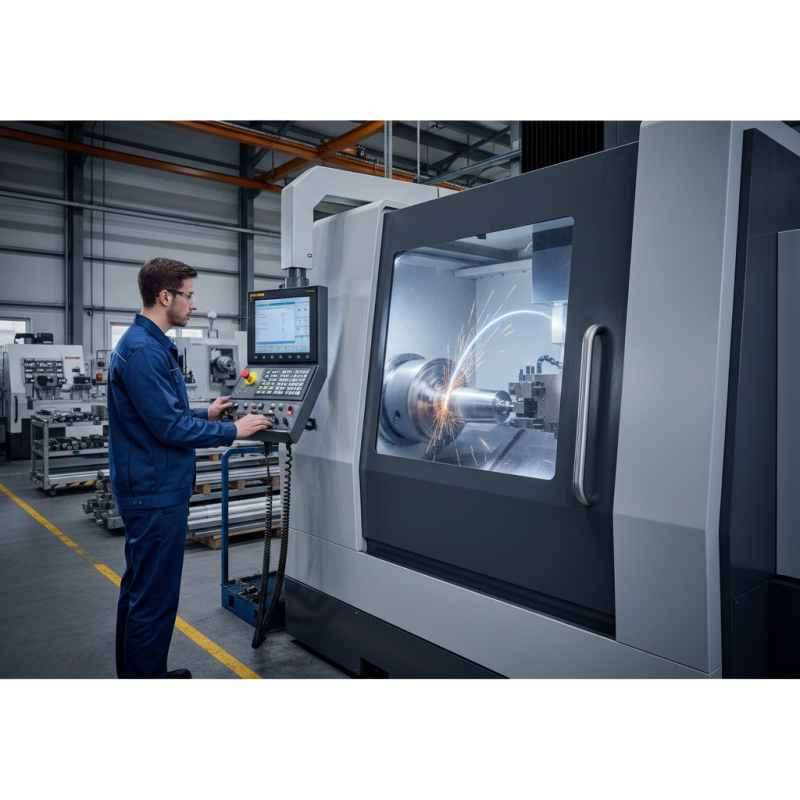
A CNC lathe machine is a crucial tool in modern manufacturing. It allows for precision machining of materials like metal and plastic. This machine operates through computer numerical control (CNC), which automates the process. Users input designs into the machine, and it brings those designs to life. The lathe rotates the workpiece while a cutting tool carves out the desired shape.
Working with a CNC lathe requires practice and understanding. Operators must learn how to read technical drawings and adjust settings correctly. Errors can happen easily, so it's important to double-check everything. Initial setups can be tricky.
Tips: Always start with small projects. This helps you get familiarized with the equipment. Keep the workspace organized to avoid distractions. Regular maintenance is key; a dirty machine may lead to inaccurate cuts. Remember, every mistake is a learning opportunity. Reflect on what went wrong to improve future projects. Mistakes might feel frustrating, but they pave the way for better outcomes.
Key Components of a CNC Lathe Machine
A CNC lathe machine is a vital tool in manufacturing. It automates the cutting, shaping, and drilling processes. The machine's precision is unparalleled, achieving tolerances as tight as ±0.01 mm. This accuracy is crucial in industries like aerospace and medical, where any deviation can lead to huge failures.
Key components of a CNC lathe include the bed, spindle, and control panel. The bed supports all parts and absorbs vibrations. Its rigidity is important for stability during operations. Next, the spindle holds the workpiece securely. It can rotate at various speeds, enhancing efficiency. Reports suggest that faster spindle speeds can increase production rates by up to 30%.
The control panel allows operators to program the lathe. It handles complex calculations, ensuring precise movements. Some operators struggle with programming. Misunderstanding codes leads to errors and waste. Despite the high-tech design, user training is often insufficient. Each component plays a role in the overall function, but if one fails, the entire process is compromised. Investing in training is necessary but often overlooked.
How CNC Lathe Machines Operate: A Step-by-Step Guide
CNC lathe machines are essential in modern manufacturing. They automate the process of shaping materials like metal and wood. These machines allow precise cuts and complex shapes. They operate using a computer-controlled design. Operators input specific parameters into the CNC system. This could include dimensions, rotation speed, and tool changes.
Once the parameters are set, the CNC lathe begins its work. The material, often a cylindrical piece, rotates on a spindle. A cutting tool, held securely, moves along the piece. As the tool advances, it carves out the desired shape. This process requires careful programming. Errors in input can lead to waste and increased costs.
During operation, it’s important to monitor the processes. Regular checks can prevent accidents or malfunctions. However, even with precision tools, human oversight is still needed. Operators must be attentive and ready to make adjustments. CNC lathes are powerful, but mistakes can happen. Machining is as much about technology as it is about human skill. Balancing both can lead to the best results.
Applications of CNC Lathe Machines in Various Industries
CNC lathe machines are essential in many industries. They are widely used in automotive, aerospace, and medical sectors. According to a recent industry report, over 30% of CNC machine users belong to the automotive segment. These machines create precise components like shafts and gears, which are vital for vehicle assembly.
In aerospace, CNC lathes produce intricate parts like turbine blades. The precision required is remarkable, often reaching tolerances of just a few micrometers. This level of accuracy directly impacts safety and performance. However, adapting traditional processes to CNC technology can be challenging for some manufacturers. There are concerns about operator training and system overhauls.
The medical industry also benefits from CNC lathe technology. Customized implants and surgical tools are made using these machines. Reports show that about 15% of medical devices are now manufactured with CNC techniques. Worries about material waste during production still exist, prompting a need for ongoing improvement in software algorithms.
Benefits of Using CNC Lathe Machines Over Traditional Lathes
CNC lathe machines have transformed the manufacturing landscape significantly. According to a recent industry report, CNC lathes can reduce production time by up to 50%. This efficiency comes from automated processes that require minimal human intervention. Traditional lathes, in contrast, demand constant supervision and manual adjustments. This can lead to errors and increased costs. Automation not only decreases labor costs but also enhances precision.
Another advantage of CNC lathes is their versatility. These machines can handle various materials, like metal, plastic, and wood, without major setup changes. In fact, studies show that companies using CNC technology can produce more complex designs in less time. However, the upfront investment in CNC technology often deters small businesses. This financial barrier raises questions on how to balance investment with potential growth.
Despite their benefits, there are concerns about the learning curve associated with CNC machinery. Operators need training to effectively utilize the software and hardware. Some organizations struggle to bridge this skills gap. The reliance on technology also raises issues regarding job security for traditional machinists. Evaluating these aspects is crucial in determining the overall impact of CNC lathes in the industry.