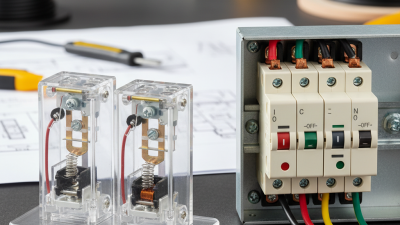
Circuit protection plays a crucial role in safeguarding electronic devices. It ensures reliability and longevity, preventing damage from power surges and faults. As Dr. Emily Chen, a leading expert in circuit protection, states, "The right circuit protection can be the difference between device failure and a long-lasting performance."
In a world increasingly dependent on electronics, the need for effective circuit protection is paramount. Consumers often overlook the vulnerabilities of their devices. Simple changes can lead to significant impacts. For instance, a sudden power spike can destroy sensitive components. Without proper safeguards, users may face costly repairs or replacements.
Furthermore, advancements in technology challenge existing circuit protection solutions. Devices are becoming smaller and more complex. This creates a pressing need for innovative protection methods. The industry must adapt to these changes. While significant progress has been made, ongoing research and development are essential. Circuit protection is not just an afterthought; it is vital for ensuring our devices function safely and efficiently.
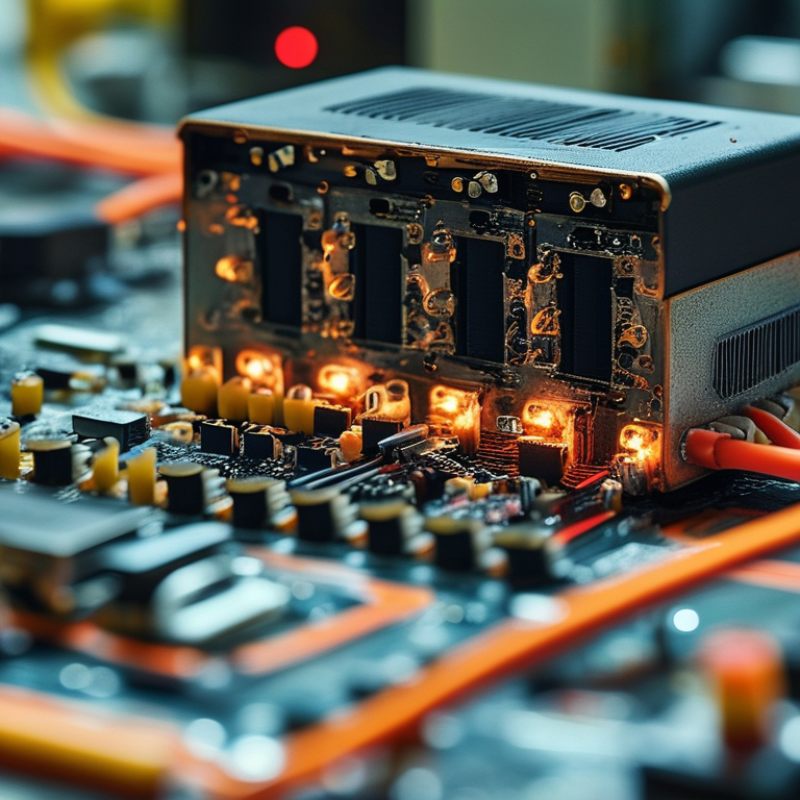
In modern electronics, circuit protection is a vital component. It prevents devices from damage caused by voltage surges, short circuits, or overheating. Without proper circuit protection, even the most advanced devices can fail unexpectedly. A single surge can compromise sensitive components. This is especially true in our increasingly connected world, where devices rely on varying power conditions.
The importance of circuit protection extends beyond mere functionality. It enhances safety, protecting users from potential hazards. Overcurrents can cause fires or electrical shocks, making reliable protection essential. Implementing quality circuit protection measures creates trust in electronic products. However, many consumers overlook this aspect, focusing solely on features. This reflects a need for greater awareness and education in circuit safety.
While circuit protection technologies are advancing, misconfigurations can still occur. For instance, incorrectly rated fuses may not trip during overcurrent conditions. Regular assessments and updates of protection mechanisms are crucial. Users must remain attentive and informed about their devices’ limits. Embracing circuit protection not only extends product life but also ensures user safety. This deeper understanding can significantly impact the reliability of everyday electronics.
Circuit protection devices are crucial for safeguarding electronic equipment. They ensure that devices operate safely under normal conditions. If surges and faults occur, these devices can prevent damage. Common types include fuses, circuit breakers, and surge protectors.
Fuses work by melting when too much current flows. This interruption stops power, protecting your devices effectively. Circuit breakers serve a similar purpose but can be reset. They offer more convenience, as you don’t need to replace them. Surge protectors defend equipment from voltage spikes, which can happen during storms or power outages.
It’s essential to choose the right protection device. Assess the needs of your devices carefully. Not every device requires the same type of protection. Inappropriate choices can lead to vulnerabilities. Regular maintenance checks can reveal issues before they become serious. Ensure your protections are functioning correctly to maximize safety.
Electrical failures in electronic devices can stem from various common causes. Power surges are a major culprit. These unexpected spikes can occur during storms or due to faulty wiring. A small surge may seem harmless, but it can damage components over time. Many users are unaware of the risks until it’s too late. Devices might start to overheat or function erratically.
Another frequent issue is short circuits. These can happen when wires or components inadvertently touch, creating a sudden influx of current. This not only disrupts device operation but can also lead to fires. Poor manufacturing quality often contributes here. Inadequate insulation can exacerbate these issues. Many consumers trust brands without realizing the potential hazards of subpar design.
Temperature extremes play a significant role, too. Devices left in hot cars or damp environments can slowly degrade. Moisture can corrode internal circuits, leading to failures that are hard to trace. Users sometimes neglect to consider their environment when taking care of electronic devices. Regular checks and proper care can mitigate these risks, but vigilance is often lacking. Awareness can lead to longer device lifespan and fewer surprises.
Circuit protection is vital for maintaining the integrity of electronic devices. Components like fuses and circuit breakers can prevent damage from overheating or overcurrent. When these systems detect anomalies, they act quickly to limit the risk. This protection helps devices to remain operational longer, even under stress.
Over time, without circuit protection, devices might face degraded performance. For instance, components can overheat, risking permanent failure. On the other hand, well-protected devices can operate efficiently for years. Implementing protection mechanisms can be the difference between a device that lasts and one that fails early.
However, not all devices have built-in protection. Users may overlook this aspect during purchase. It’s important to evaluate whether an electronic device has adequate safety features. Ignoring circuit protection can lead to costly repairs or replacements. The technology promoting longevity deserves attention and understanding.
Implementing effective circuit protection is crucial in electronic design. Devices are often subjected to overvoltage and overcurrent situations. These conditions can severely damage components and lead to device failure. Incorporating protection devices, such as fuses and voltage suppressors, can mitigate these risks. Designers should evaluate the specific needs of their application. Understanding the operating environment will guide appropriate protection strategies.
Another important consideration is the layout of the circuit board. Placing protective components strategically is vital. It helps to ensure they function optimally during faults. It’s also beneficial to include test points for easy troubleshooting. This allows for effective monitoring of circuit integrity. A reliable design will anticipate potential overload scenarios. Testing prototypes under various conditions can identify weaknesses. Regularly revisiting designs based on feedback is essential.
Lastly, consider the end-user. Providing adequate documentation can enhance user safety. Clear instructions on how to handle the device can prevent misuse. Sometimes, despite the best designs, unexpected failures occur. Reflect on these instances to improve future models. Continuous learning and adaptation are key to successful electronic design.