How to Choose the Right Warning Triangle for Your Vehicle?
When driving on the road, safety should always come first. A Warning Triangle is an essential safety tool. It signals emergencies and warns other drivers. In fact, according to the National Highway Traffic Safety Administration, roadside hazards account for 21% of all vehicle accidents. Having a proper Warning Triangle can help reduce these occurrences.
Choosing the right Warning Triangle is crucial. Not all triangles provide the same visibility or durability. The European standard ECE R27 states that triangles must be reflective and provide adequate visibility. A poorly designed triangle can fail to alert approaching vehicles. The market is filled with options, making informed choices difficult.
Many drivers overlook the importance of a Warning Triangle. It's often not part of regular vehicle checks. Yet, failure to use one in an emergency can lead to severe consequences. Data shows that effective warning signs can reduce accidents by up to 30%. Ensuring you have a quality Warning Triangle is a simple step to enhance road safety.
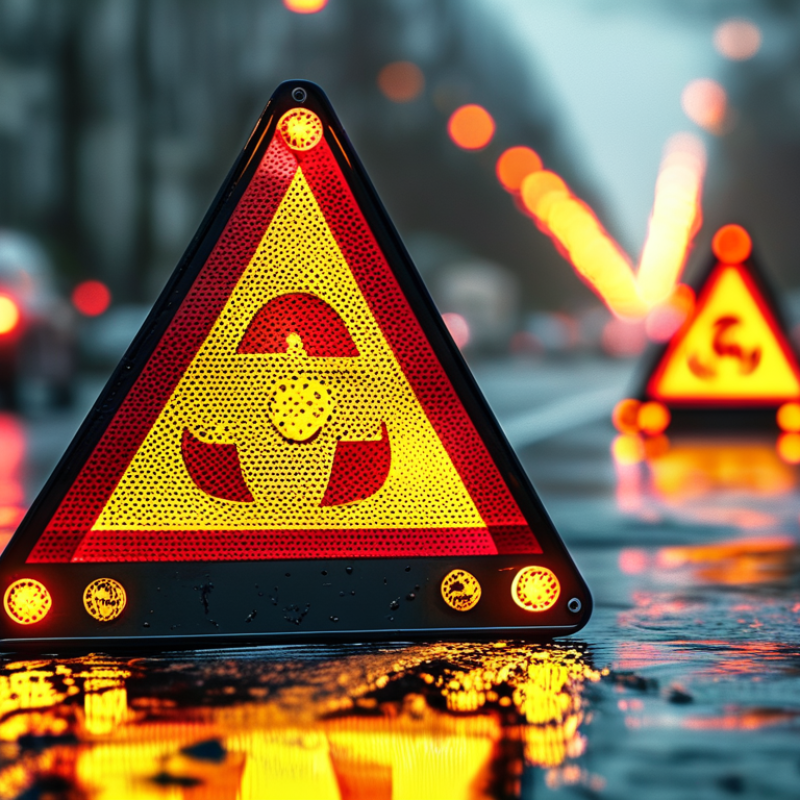
Factors to Consider When Selecting a Warning Triangle
When selecting a warning triangle for your vehicle, consider its visibility. A bright, reflective triangle is much more effective than a dull one. Look for materials that ensure durability. Plastic or metal with a high reflectivity level can withstand various weather conditions.
Size matters too. Ensure the triangle is large enough to be noticed from a distance. A compact design may be easier to store, but it should not compromise visibility. Moreover, check if it comes with a carrying case. This can make it easier to transport and keep it in good condition.
Consider the ease of setup. A good warning triangle should open and assemble quickly, even in low light. Practice setting it up under different conditions. Lastly, read reviews or seek expert advice. User feedback can reveal strengths and weaknesses that might not be apparent at first glance. This ensures you make a responsible, informed choice.
Types of Warning Triangles Available in the Market
When selecting a warning triangle for your vehicle, it’s essential to understand the types available in the market. Warning triangles come in various designs and materials. Reflective triangles are particularly popular because they enhance visibility. This can be crucial during nighttime breakdowns or emergencies. Some models even have LED lights for extra visibility.
Another option is the collapsible warning triangle. These are lightweight and compact, making them easy to store in your vehicle. They often come with a sturdy frame, ensuring stability even in windy conditions. However, you might find them less visible at greater distances compared to larger models.
Consider the durability of the material. Plastic triangles may be less expensive but can break easily. Metal frames offer better durability but might be heavier. It's vital to balance weight and sturdiness based on your vehicle type. Keep in mind the importance of choosing a triangle that meets your local regulations. Researching thoroughly before making a purchase can help ensure you select the right option for your needs.
Materials Used in Manufacturing Warning Triangles
When selecting a warning triangle for your vehicle, the materials used are critical. Most warning triangles are made from durable plastics. These materials ensure they withstand harsh weather conditions. Some triangles feature reflective surfaces to enhance visibility. This added safety feature can be significant during emergencies.
Consider the weight of the triangle. Heavier models might stay put better in windy conditions. However, they can be cumbersome to store. Lighter options are easier to handle but may not be as stable. It's worth noting that not all plastics are created equal. Cheaper variants may crack or fade quickly, reducing their effectiveness.
Sometimes, triangles can seem too simplified. While they serve a vital purpose, it's essential to recognize their limitations. A warning triangle cannot replace the need for proper hazard lights or emergency kits. Reflecting on these details when making your choice can help ensure you are prepared in any situation.
Regulations and Standards for Warning Triangles
When selecting a warning triangle for your vehicle, understanding regulations is vital. In many regions, these triangles must meet specific standards. For example, the ISO 7000 standard specifies dimensions and visibility requirements. The triangle should be at least 17 inches tall and reflect light effectively, ensuring visibility from a distance.
According to a report from the European Commission, compliant warning triangles significantly reduce roadside accidents, proving their importance. Research shows that triangles with bright colors and reflective materials are more likely to be noticed both day and night. Ensuring your triangle meets these standards can enhance your safety on the road.
Additionally, consider the material and construction of your warning triangle. Some may not withstand harsh weather conditions. A flimsy triangle may fall over easily, rendering it ineffective. It may be tempting to choose less expensive options, but durability matters. Invest in a triangle that remains stable and visible in adverse weather. Reflecting on these factors before a purchase can save lives.
Tips for Proper Use and Maintenance of Warning Triangles
Choosing the right warning triangle is essential for road safety. This tool helps alert other drivers in case of a vehicle breakdown. However, proper usage and maintenance are crucial for its effectiveness.
When using a warning triangle, position it at least 30 meters behind your vehicle. This distance ensures visibility from afar. Each triangle should meet safety standards, with bright colors and reflective surfaces. Check the triangle regularly for any damage. A worn-out triangle may fail when needed.
Maintenance goes beyond storage. Keep it in an easily accessible location. Inspect it as part of your regular vehicle checks. Sometimes, people forget that a dirty or damaged warning triangle loses its effectiveness. Use a cloth to clean the surfaces and ensure the reflective elements are intact. Regular upkeep can prevent the need for replacements.
Warning Triangle Usage Statistics



