How to Choose the Right Molded Case Breaker for Your Needs?
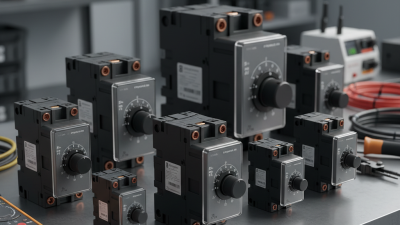
Choosing the right molded case breaker can be challenging due to various factors. With a market filled with options, it is essential to understand your specific needs. A molded case breaker protects electrical circuits from overloads and short circuits. Understanding this device's features can help you make a better decision.
Start by evaluating your electrical system. Consider the voltage and current ratings required for your application. You might need a breaker with specific trip settings. Each molded case breaker comes with different characteristics. Some are designed for residential use, while others suit industrial environments.
Furthermore, think about the reliability of the brand. Researching manufacturer reputation can save you from future issues. Not every product on the market is equal. User reviews can offer insights into performance and durability. Keep these details in mind as you navigate your options. Remember, choosing a molded case breaker is not just about features; it’s about ensuring safety and efficiency.
Understanding Molded Case Breakers and Their Applications
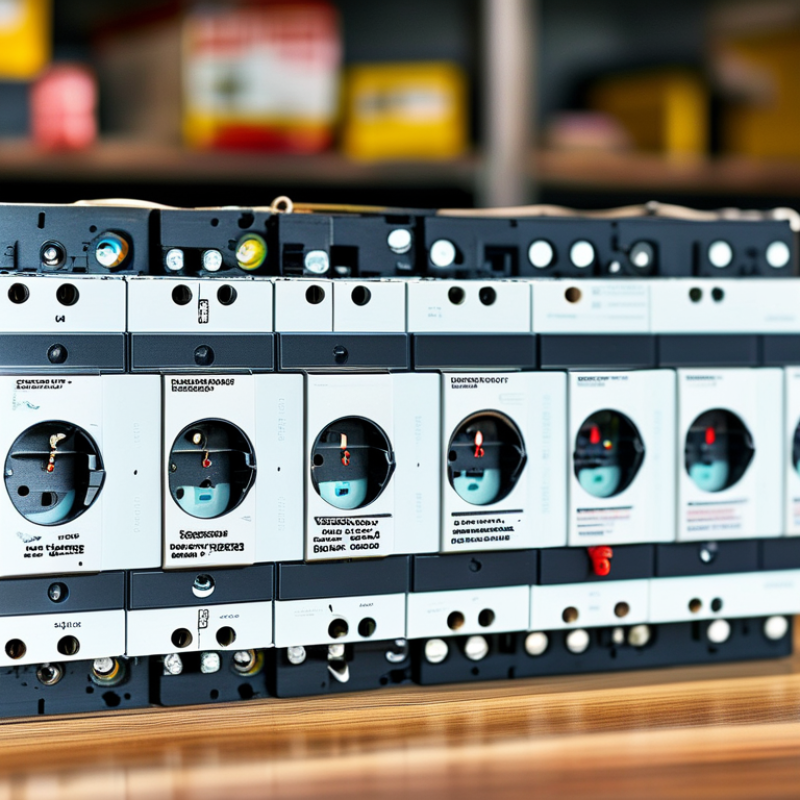
Molded case breakers (MCBs) play a crucial role in electrical systems, providing overcurrent protection and isolating faults. Understanding their applications is vital for selecting the right MCB. According to research from the International Electrotechnical Commission, the global molded case circuit breaker market is expected to grow significantly, driven by increasing industrial automation and the need for reliable protection.
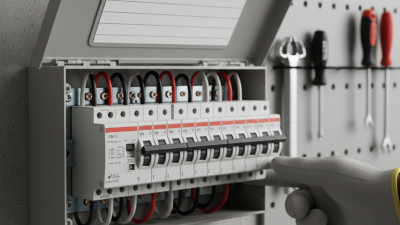
These devices are commonly used in residential, commercial, and industrial settings. For instance, MCBs are often found in power distribution panels, ensuring safety by disconnecting circuits during overload conditions. A recent report from MarketsandMarkets highlights that the commercial sector will witness the highest demand for MCBs due to upgrading legacy systems. This trend emphasizes the need for selecting MCBs that align with specific operational requirements.
Tip: Always check the current and voltage ratings before choosing an MCB. Compatibility is crucial for effective protection.
Additionally, consider the interrupting rating. This indicates the maximum fault current the MCB can safely interrupt. According to industry standards, selecting an MCB with an adequate interrupting capacity is essential to avoid system failures.
Tip: When in doubt, consult an electrical engineer to ensure proper installation. MCB selections should reflect both load requirements and safety standards.
Key Factors to Consider When Selecting a Molded Case Breaker
Selecting the right molded case breaker (MCB) is crucial for ensuring effective circuit protection and operational efficiency. One key factor to consider is the current rating. According to a report by the International Electrotechnical Commission (IEC), choosing an MCB with the appropriate current rating minimizes the risk of overloads and equipment damage. An optimal rating aligns with the maximum expected load while offering a safety margin.
Another essential aspect is the breaking capacity, which defines the maximum fault current the MCB can interrupt. Industry data shows that MCBs with higher breaking capacities are vital in environments with increased fault current levels. In practice, ignoring this factor can lead to catastrophic failures. It’s necessary to analyze the specific application and local system conditions to ensure suitable selection.
Finally, consider temperature and ambient conditions. The MCB’s performance can degrade in harsh environments. A study by the National Electrical Manufacturers Association (NEMA) indicates that temperature changes can influence the operation of an MCB. Not addressing these considerations may lead to unexpected tripping or equipment failure. Proper assessment and selection based on these elements lead to better system reliability and safety.
Choosing the Right Molded Case Breaker: Key Features Considered
Comparing Different Types of Molded Case Breakers
Choosing the right molded case breaker (MCB) involves understanding various types available. Each type serves a distinct purpose. Some are designed for residential use, while others cater to industrial applications. The differences can significantly affect performance and safety.
Consider the size and capacity needed for your specific situation. Different settings may require varying amp ratings. For example, larger facilities often need breakers with higher ratings for heavy-duty machinery. Ensure you assess potential load requirements accurately. Oversizing could lead to inefficiencies, while undersizing poses risks.
Also, think about how these breakers handle short circuits and overloads. Some types may offer additional features, like ground fault protection. This could be particularly useful in wet or hazardous environments. Reflect on your typical usage demands. The right choice should balance safety, functionality, and efficiency. Understanding these elements enhances informed decision-making.
Evaluating the Electrical Ratings and Specifications
Choosing the right molded case breaker (MCB) can be challenging. Evaluating electrical ratings and specifications is crucial. Identify the voltage requirements first. Standard voltages are typically 120V, 240V, or 480V. Ensure the MCB you select meets these needs.
Next, consider the current rating. This rating must align with the peak load of your electrical system. A breaker that is too low may trip frequently. Conversely, an oversized breaker can pose safety risks. Understanding your system's amperage demands is essential. Review load calculations carefully.
Don’t overlook the short-circuit rating. This indicates how much current the breaker can safely interrupt. It should match or exceed the fault current in your system. Physical installation is another consideration. Ensure there is compatibility with existing panels. The breaker should fit properly in allocated spaces. Always consult with professionals if in doubt. It's better to be cautious when dealing with electrical components.
Maintenance and Safety Tips for Molded Case Breakers
Molded case breakers are crucial for electrical safety. Regular maintenance is key to their effectiveness. Inspect the breakers routinely for any signs of wear or damage. Look for any discoloration or physical deformities. Such issues can indicate underlying problems that need immediate attention.
Keep the breaker’s contacts clean. Dust and debris can accumulate, affecting performance. Use a soft cloth to wipe down the surfaces. Ensure the breaker is turned off before cleaning. This prevents any unwanted electrical shocks. Check the settings regularly to ensure they align with current load needs. Incorrect settings can result in frequent tripping or worse, electrical failures.
Education plays a vital role in safety. Understand the load that your breakers are rated for. Overloading can lead to malfunction. Clear signage identifying breaker functions can help prevent mishaps. Regular testing is important too. Conduct operational tests to verify that breakers trip as expected. Create a maintenance log for future reference and analysis. This practice fosters ongoing safety and reliability in your electrical systems.