2026 How to Choose the Right Circuit Breaker Switch for Your Home?
Choosing the right circuit breaker switch for your home is essential. A dependable circuit breaker switch protects your appliances and loved ones. With various types available, making the right choice can be challenging.
When selecting a circuit breaker switch, consider your home’s electrical load. Factors such as the size of your home and the number of appliances matter. You might overlook some details, leading to possible hazards. For instance, an insufficiently rated circuit breaker could trip frequently. That can be frustrating and inconvenient for daily life.
Moreover, not all circuit breaker switches are created equal. Some might not fit your specific needs. You should reflect on the safety ratings and features. A poorly chosen circuit breaker switch can lead to costly repairs or worse. Taking the time to evaluate your options is crucial for ensuring safety.
Understanding the Functionality of Circuit Breakers in Homes
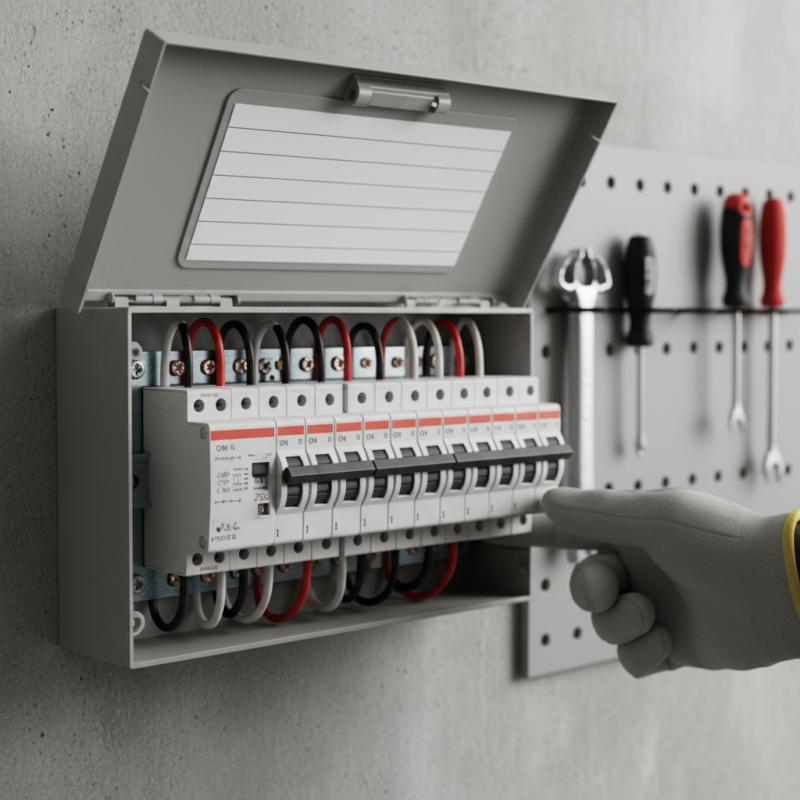
Understanding the functionality of circuit breakers in homes is essential for any homeowner. Circuit breakers act as safety devices. They prevent electrical overloads and short circuits. When too much current flows, they trip, cutting power to prevent fires. This is a crucial function in every home.
However, not all circuit breakers are created equal. Selecting the right type for your home requires some thought. Consider the home's total electrical load. This includes appliances, lighting, and heating systems. An underpowered circuit breaker may trip frequently, causing inconvenience. Meanwhile, an oversized breaker might not trip at all when needed. It's a delicate balance.
Additionally, think about the environment where the breaker will be installed. Wet or humid areas require specific types. Most homeowners don't realize this importance until it's too late. Research and educate yourself on these specifics. Even a small oversight can lead to safety risks. Your circuit breaker may be the unsung hero of your home's electrical system, but it deserves proper attention and care.
Types of Circuit Breakers: Choosing Between Standard and GFCI
When it comes to circuit breakers, homeowners often find themselves choosing between standard breakers and Ground Fault Circuit Interrupters (GFCI). Standard circuit breakers protect your home from overloads and short circuits. They work well for most circuits. GFCI breakers, however, offer an added layer of safety. They prevent electrical shock by shutting off power when a ground fault is detected.
Consider where you’re installing the breakers. Kitchens and bathrooms require GFCI protection. These areas are prone to moisture and increase the risk of shock. Standard breakers might suffice in less risky locations like living rooms. However, it’s crucial to ensure your choices align with safety regulations.
Choosing the right circuit breaker can be daunting. Many overlook the specifics of their electrical system. Checking the amperage ratings and compatibility is vital. Sometimes, homeowners install a standard breaker where a GFCI is needed. This can lead to safety issues. Reflecting on your needs can guide you toward a better decision.
Assessing the Electrical Load: How to Calculate Your Home's Needs
When choosing a circuit breaker switch, assessing your home’s electrical load is crucial. Evaluate your appliances and devices. The average household uses about 877 kWh per month, based on reports from the U.S. Energy Information Administration. You need to calculate this usage to determine your required amperage.
First, list all major appliances. Each has a wattage requirement. For instance, a refrigerator can consume around 200-800 watts. A typical television may use 100-400 watts. Add these values to find your total wattage. Then, divide this total by 120 volts for a rough estimate of amperage. This calculation helps in choosing the right circuit breaker rating.
Consider that homes might have outdated wiring or appliances not considered in your calculations. Many people overlook these factors. A recent study highlighted that nearly 30% of homeowners have circuit breakers that could be underrated for their actual needs. Regular audits of electrical usage can save you from potential overloads and dangerous situations. Proper load assessment is key to ensuring safety and efficiency in your home’s electrical systems.
Assessing the Electrical Load of Your Home
This chart displays the estimated electrical load requirements for various household appliances. Understanding these loads can help you choose the right circuit breaker for your home.
Safety Ratings and Standards: Ensuring Compliance with NEC Guidelines
When choosing a circuit breaker switch for your home, understanding safety ratings is crucial. Compliance with the National Electrical Code (NEC) ensures your electrical system is safe. The NEC outlines standards for circuit breaker switches, which protect your home from electrical faults. It’s wise to verify that any selected breaker is rated for your specific needs.
Look for breakers that display UL (Underwriters Laboratories) certification. This mark indicates that the device has passed rigorous safety tests. Inspect the amperage ratings closely. Overloading can lead to severe hazards. A breaker rated too high won’t trip in an emergency. Conversely, one rated too low may frequently reset, causing frustration.
Consider installation as well. If you're unsure, seek professional help. Proper installation can make all the difference. A faulty installation might compromise safety. Keep in mind that your home’s age, wiring condition, and electrical load are key factors in your decision. Reflect on how often you experience power issues. Addressing these can prevent future problems and ensure your home remains safe.
2026 How to Choose the Right Circuit Breaker Switch for Your Home? - Safety Ratings and Standards: Ensuring Compliance with NEC Guidelines
| Breaker Type |
Amperage Rating |
Voltage Rating |
Safety Standards |
Common Applications |
| Single Pole |
15A |
120V |
UL 489 |
Lighting Circuits |
| Double Pole |
20A |
240V |
UL 489 |
Major Appliances |
| GFCI |
15A |
120V |
UL 943 |
Wet Locations |
| AFCI |
15A |
120V |
UL 1699 |
Bedroom Circuits |
| Smart Breaker |
50A |
240V |
UL 489 |
Advanced Applications |
Installation Considerations: DIY vs. Professional Services for Circuit Breakers
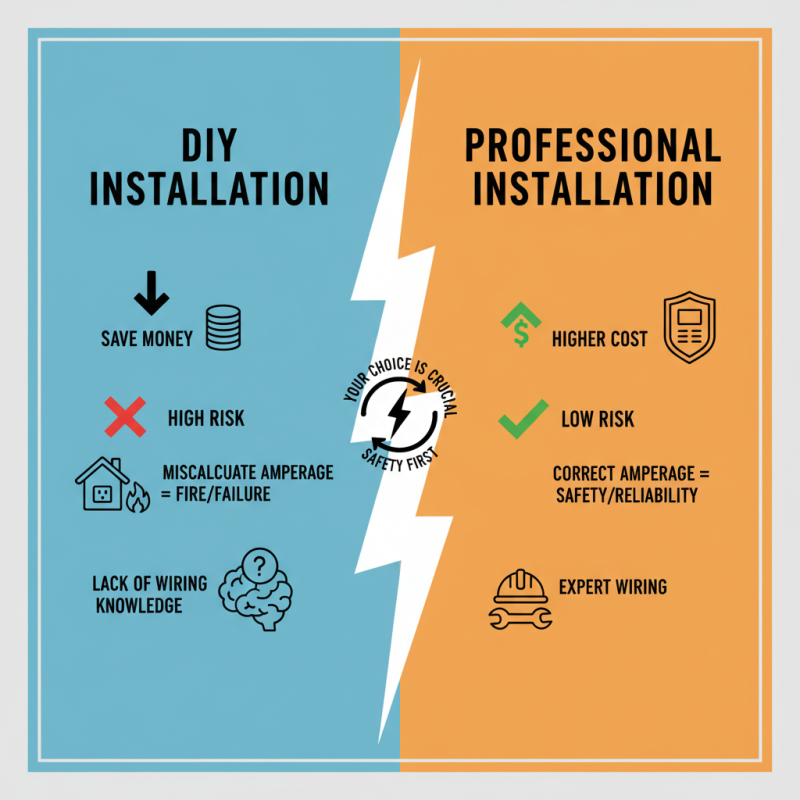
When it comes to installing a circuit breaker, the choice between DIY and hiring professionals is crucial. DIY projects can save money, but the risks increase significantly. If you lack experience, you may misjudge the amperage required for your home. A small error could lead to fire hazards or circuit failures. Understanding wiring is vital, yet many homeowners underestimate this step.
Professional services bring expertise to the installation process. They assess your home’s electrical load accurately. Professionals ensure the right breaker type is selected for your needs. While it may cost more, their knowledge reduces long-term risks. They can spot potential issues, which a novice might overlook. Quality workmanship and safety should be priorities.
However, a professional may take longer than expected. There could be delays or miscommunications. It’s essential to research and choose someone with a good reputation. Homeowners should weigh these considerations before diving into a decision. Whether going DIY or hiring help, being well-informed is key.