How to Choose the Best DC Surge Protection for Your Needs?
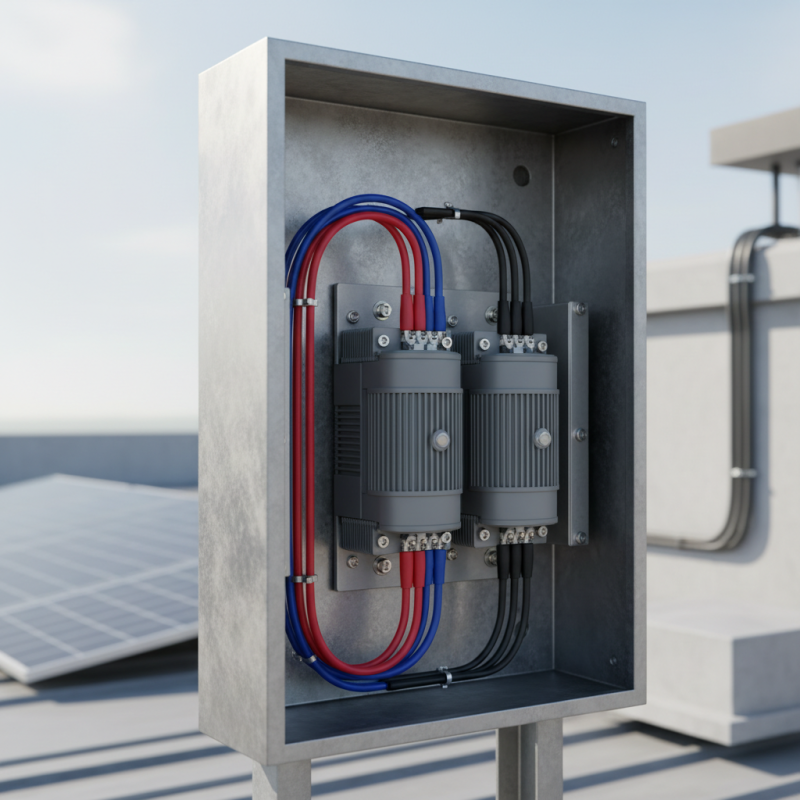
When it comes to protecting your equipment from dangerous power surges, dc surge protection is crucial. Many devices, such as solar panels, require efficient surge protection solutions. These systems are designed to safeguard your investments from voltage spikes.
Choosing the right dc surge protection can be complicated. There are various options available, each with unique features and specifications. It’s important to assess your specific needs. Consider factors like the voltage rating, installation environment, and the potential for surge events.
In many instances, users overlook critical aspects of surge protection. Failing to choose the right product could lead to equipment failure. Thus, engaging with professionals or doing thorough research is highly recommended. By understanding your equipment and the specific surge risks it faces, you can make informed decisions that ensure long-term reliability.
Understanding DC Surge Protection: A Comprehensive Overview
DC surge protection is essential for safeguarding electrical equipment. A comprehensive understanding of its functionality can help you make informed decisions. According to industry reports, improperly managed surges can lead to costly downtime. Statistical data show that nearly 60% of businesses lose productivity due to electrical faults.
Choosing the right protection involves assessing your specific needs. For photovoltaic systems, it is crucial to understand the voltage levels and potential surge sources. A mismatch between the protection devices and system specifications can result in inadequate safety measures. In many cases, the protection may not cover all possible surge paths.
**Tips:** Always consider the installation environment. Wet conditions can affect surge protection effectiveness.
Assessing the quality of surge protection equipment is equally important. Look for devices that comply with recognized standards. Some reports indicate that devices meeting IEC 61643-11 show significantly higher reliability. Regular maintenance checks keep the system functional and efficient.
**Tips:** Ensure clear access for inspections. This practice could save you from future mishaps.
Identifying Your Specific Needs for DC Surge Protection
Identifying your specific needs for DC surge protection is crucial in today’s electrified world. The increasing reliance on solar energy systems and electric vehicles demands robust protective solutions. According to a recent industry report, nearly 40% of electrical failures are linked to surges. Understanding the nature of these surges is the first step in tailored protection strategies.
Assessing your system's voltage and current ratings is vital. Systems operating above 600 volts are particularly susceptible to damage from voltage spikes. Not all surge protectors are created equal; variations in response time and energy absorbing capacity impact performance. An effective surge protection device must be capable of handling the peak surge currents expected in your specific application. Additionally, reviewing the installation environment is important as exposure to harsh weather can reduce equipment life. Some users may neglect this factor, only to face increased downtime later.
Determining the right surge protection necessitates careful consideration of your unique power supply setup and potential exposure to external surge events. Regular evaluations of existing protection measures can reveal weaknesses. This ongoing analysis ensures that the chosen solution aligns with evolving operational demands and unexpected power fluctuations.
Key Features to Look for in DC Surge Protection Devices
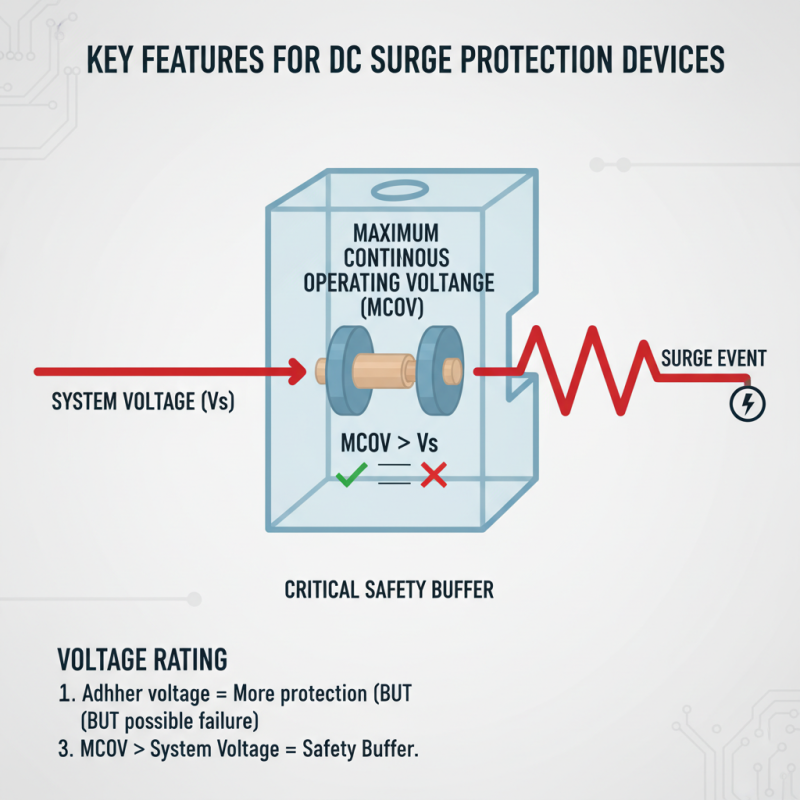
When selecting DC surge protection devices, several key features deserve attention. First, consider the voltage rating. Adhering to the manufacturer’s specifications is essential. High voltage ratings can offer greater protection but may lead to device failure under certain conditions. According to industry reports, a surge protection device should ideally have a maximum continuous operating voltage (MCOV) above the system voltage. This provides a critical safety buffer.
Another pivotal aspect is the response time. Surge protection devices with faster response times can mitigate damage more effectively. Devices with response times under 1 nanosecond are generally preferred in professional settings. A study published by the Institute of Electrical and Electronics Engineers (IEEE) indicates that quicker response times significantly reduce the risk of equipment damage. Users should also check the clamping voltage, which indicates the voltage level at which the device starts to protect connected equipment.
Finally, consider installation and maintenance ease. Many surge protection devices can be complex. Some need regular testing to guarantee optimal performance. User reports indicate that difficulty in maintenance may lead to neglect, ultimately reducing the effectiveness of surge protection. Therefore, choosing a user-friendly device ensures longevity and reliability in operation. Selecting the right features can be the difference between safety and loss.
Evaluating the Performance and Ratings of Surge Protectors
When evaluating surge protectors, performance and ratings are key factors. A surge protector’s job is to safeguard your equipment from voltage spikes. It absorbs excess energy and prevents damage. Look for devices that offer clear performance metrics rather than vague descriptions.
Voltage protection ratings give insights into performance. A lower rating often means better protection. Surge protectors are usually labeled with a maximum surge current they can handle. It's important to match this rating to your needs. Check for response time as well. Faster protectors react quickly to surges and enhance protection.
Think about what devices you need to protect. High-value electronics require more robust solutions. Consider the quality of components—a solid build leads to better reliability. Reflecting on your specific environment is essential. Your needs may change over time, making some devices less effective. Evaluate regularly to ensure optimal safety for your equipment.
Installation Considerations and Best Practices for Surge Protection
Surge protection is vital for modern electrical systems, particularly in DC applications. Proper installation is essential to ensure maximum protection. When considering installation, location plays a crucial role. It’s important to place surge protectors close to sensitive equipment. This minimizes the length of the cable run and reduces potential exposure to surges. According to industry data, nearly 80% of surge-related equipment failures occur within 10 meters of the source.
Another critical consideration is the environment. Factors such as temperature, humidity, and exposure to pollutants can affect surge protection’s effectiveness. Installing surge protectors in harsh conditions may require specialized equipment. Reports indicate that 40% of systems fail due to inadequate environmental adaptations. Regular maintenance checks can catch issues before they escalate. Inspecting connections and testing units can provide insights into the protector's status.
Finally, grounding practices cannot be overlooked. A well-designed grounding system enhances the performance of surge protectors. Studies have shown that a poor grounding system can reduce surge protection effectiveness by as much as 50%. It’s a good idea to seek professional advice on grounding configurations tailored to specific setups. A thorough understanding of these installation considerations can significantly enhance system resilience against surges.
How to Choose the Best DC Surge Protection for Your Needs? - Installation Considerations and Best Practices for Surge Protection
| Criteria |
Recommended Type |
Voltage Rating (V) |
Current Rating (A) |
Key Features |
| Residential Use |
Type 1 Surge Protector |
120-240 |
30 |
Compact design, easy installation |
| Commercial Use |
Type 2 Surge Protector |
120-480 |
60 |
High energy absorption, modular design |
| Industrial Applications |
Type 3 Surge Protector |
240-600 |
100 |
Heavy-duty, advanced monitoring features |
| Data Centers |
Point of Use Surge Protector |
120-240 |
20 |
Compact, surge and EMI filtration |