Why Choose DC High Pressure Pumps for Your Business Needs?
In today's competitive landscape, choosing the right pumping solution is crucial for business success. Many industries utilize Dc High Pressure Pumps for their efficiency and reliability. According to a recent market report by Allied Market Research, the global DC pump market is expected to reach $1.5 billion by 2025, growing at a CAGR of 7.2%. This growth reflects the increasing demand across sectors such as agriculture, automotive, and manufacturing.
Expert David Evans, a renowned figure in fluid mechanics, emphasizes the importance of these pumps: "DC high pressure pumps effectively combine power and precision." This statement highlights a fundamental advantage of these systems—they provide targeted pressure control essential for various applications. Companies leveraging DC high pressure pumps can enhance operational performance while reducing energy consumption.
However, selecting the right model is not always straightforward. Businesses must consider factors like flow rate, pressure requirements, and maintenance needs. Some organizations do face challenges during the selection process, potentially leading to inefficiencies. Investing in DC high pressure pumps requires careful evaluation and understanding of specific operational needs. This is a decision that should not be made lightly.
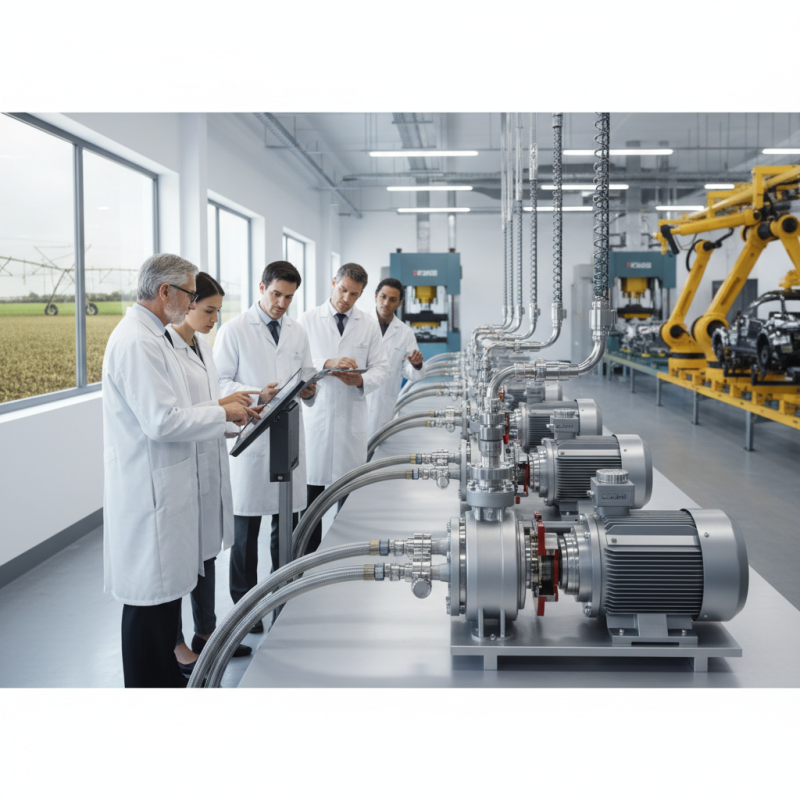
Benefits of DC High Pressure Pumps in Various Industries
DC high pressure pumps offer significant benefits across various industries due to their efficient performance and reliability. In manufacturing, these pumps excel at delivering precise fluid control. This is essential for maintaining quality during production processes. They can handle high-viscosity fluids, which is crucial for industries that rely on such materials.
In the agricultural sector, DC high pressure pumps provide effective irrigation solutions. Farmers appreciate their ability to distribute water evenly over large areas. This optimizes resource use and can lead to increased crop yield. However, it's important to consider the energy requirements. Users must evaluate whether the benefits outweigh the operational costs.
In the automotive industry, these pumps are vital for cleaning processes. They can effectively remove dirt and grime from parts. This improves overall efficiency and extends equipment lifespan. Nevertheless, not all users may fully understand the maintenance needs of these pumps. Misunderstandings can lead to premature wear or operational issues. Being informed and proactive is key to maximizing their potential.
Key Features of DC High Pressure Pumps for Optimal Performance
DC high pressure pumps are a popular choice across various industries due to their remarkable efficiency and reliability. One of their key features is the ability to deliver high flow rates while maintaining consistent pressure. Reports indicate that these pumps can operate effectively at pressures of up to 600 psi or more, making them ideal for demanding applications. This efficiency results in lower energy consumption compared to traditional pumps, which is crucial for businesses looking to optimize operational costs.
Another significant advantage of DC high pressure pumps is their compact design and lightweight construction. This allows for easy installation in tight spaces. Moreover, many models come equipped with advanced control systems that ensure precise pressure regulation. According to industry analyses, facilities using these pumps can experience operation time improvements of up to 30%. However, it is important to note that improper installation can lead to performance issues. Understanding the specific needs of your operation is essential.
Durability is also a notable feature. These pumps often endure harsh environments, yet their mechanical reliability can sometimes be overestimated. Regular maintenance is vital to avoid costly breakdowns. While the initial investment may seem high, the long-term savings from operational efficiency and reduced maintenance can justify the expense. Ensuring proper selection and maintenance is crucial for maximizing return on investment.
Cost-Effectiveness of Utilizing DC High Pressure Pumps
DC high-pressure pumps are gaining traction in various industries due to their cost-effectiveness. A recent study highlighted that DC pumps can reduce energy consumption by up to 30% compared to traditional AC pumps. This efficiency not only lowers operational costs but also minimizes the environmental footprint.
Another report from an industry expert noted that businesses experience a payback period of just 18 months when switching to DC high-pressure pumps. The initial investment can seem considerable, yet the long-term savings on energy bills and reduced maintenance costs make them a wise choice. Many sectors, from agriculture to manufacturing, have reported enhanced productivity thanks to these pumps' reliable performance.
However, the transition to DC pumps may pose challenges. Some users find the technology complex and require training. Additionally, compatibility with existing systems can sometimes lead to unforeseen expenses. Businesses must carefully evaluate these factors. All in all, while DC high-pressure pumps present a strong value proposition, thoughtful consideration is essential for smooth integration.
Applications of DC High Pressure Pumps in Business Operations
DC high pressure pumps have become pivotal in various business sectors. Their applications span industries like automotive, agriculture, and manufacturing. According to a 2022 report from the International Association of Pump Manufacturers, high pressure pumps account for nearly 30% of the global pump market. This statistic underscores their importance in commercial operations.
In the automotive industry, DC high pressure pumps facilitate efficient fuel delivery. They enhance fuel system performance, improving engine efficiency and reducing emissions. In agriculture, these pumps are vital for irrigation systems. Their ability to deliver water at high pressures ensures optimal crop yields. However, the choice of pump must reflect the specific needs of the farm. Misjudgments can lead to insufficient irrigation or overuse of resources.
Manufacturers also leverage DC high pressure pumps in cleaning and pressure washing systems. These pumps provide the force needed to remove stubborn dirt and debris, ensuring equipment longevity. However, not all applications require the same pressure levels. It’s essential to assess the task at hand. An overly powerful pump can damage sensitive components, leading to costly repairs. Understanding the right specifications is crucial for effective operations.
Maintenance Considerations for Enhancing DC High Pressure Pump Longevity
DC high pressure pumps are essential for various industrial applications. To maximize their lifespan, proper maintenance is critical. Regular checks can prevent costly breakdowns. According to industry reports, unplanned downtime can cost businesses up to $250,000 per hour. Therefore, effective maintenance safeguards productivity.
Lubrication is vital for pump performance. Insufficient lubrication leads to unnecessary wear and tear. Daily inspections of oil levels and conditions can extend pump life. Filters should also be monitored and replaced periodically. Neglect can result in debris buildup, affecting pump efficiency. Data suggests that proper filtration can improve pump reliability by 30%.
Temperature control is another important aspect. Overheating can cause significant damage to high pressure pumps. Regular monitoring of operating temperatures helps identify issues early. A consistent temperature range can enhance operational efficiency. Ultimately, investing time in maintenance not only increases pump longevity but also promotes overall system reliability.
Why Choose DC High Pressure Pumps for Your Business Needs? - Maintenance Considerations for Enhancing DC High Pressure Pump Longevity
| Dimension | Value |
| Pump Type | DC High Pressure |
| Operating Voltage | 24V DC |
| Maximum Pressure | 300 PSI |
| Flow Rate | 1.5 GPM |
| Material | Stainless Steel |
| Weight | 5 lb |
| Maintenance Interval | Every 6 Months |
| Common Issues | Seal Wear, Clogging |
| Recommended Lubricant | High-Temperature Grease |
| Lifespan | Up to 10,000 Hours |



