How to Choose the Right Electric Breaker Switch

Choosing the right electric breaker switch is more than matching a label on a package. It requires careful attention to circuit voltage, current rating, wire size, interrupting capacity, and installation conditions. A breaker that fits the panel may still be unsuitable for the circuit. That distinction matters.

Picture a kitchen circuit supplying a microwave, refrigerator, and several outlets. If its breaker rating exceeds the wire’s safe capacity, overheating can occur inside the wall. If the rating is too low, nuisance tripping may interrupt normal use. Breaker type also matters. Some circuits may need ground-fault or arc-fault protection, depending on local requirements and the installation environment. Compatibility with the manufacturer’s panel is essential, not optional.

Look beyond appearance.

Reliable selection begins with verified specifications from the breaker manufacturer and guidance from recognized electrical standards. A qualified electrician can inspect the existing wiring, panel condition, load demand, and available fault protection. Local rules may differ, so online advice should never replace professional assessment. In practice, small details often change the recommendation, including cable length, ambient temperature, motor loads, and future expansion plans. Even experienced people can overlook an aging connection or assume that a previous installation was correct. That assumption deserves challenge. The safest choice is the one supported by documented ratings, proper testing, and a clear understanding of the circuit’s actual behavior. A thoughtful decision may take longer, but it reduces heat, interruptions, equipment damage, and avoidable safety risks.
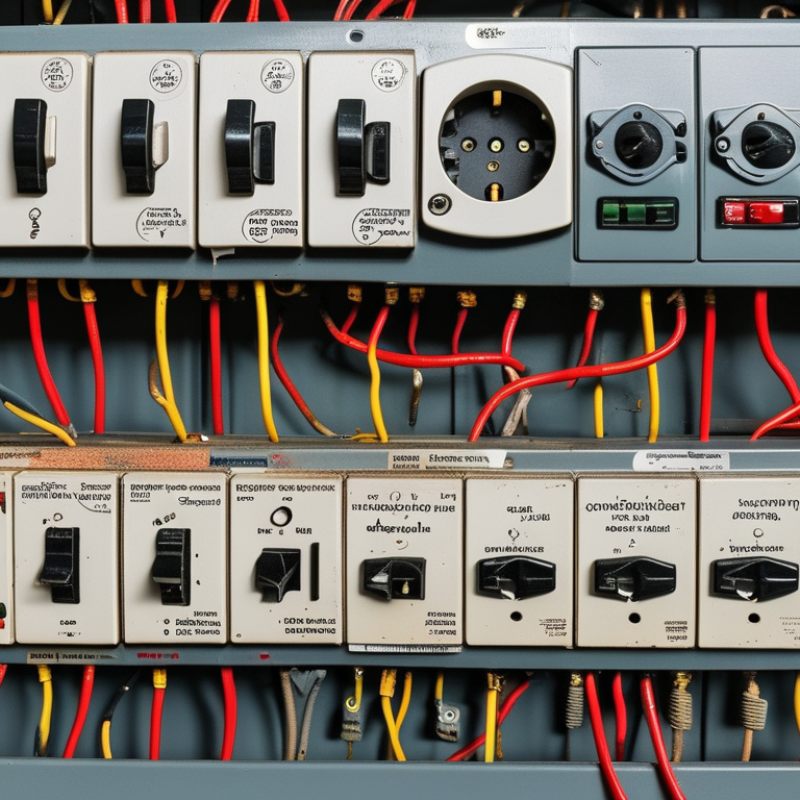
How to Choose the Right Electric Breaker Switch

Understanding Electric Breaker Switches and Their Main Functions

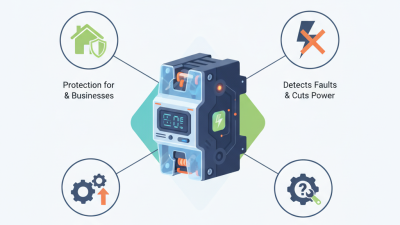
Understanding an electric breaker switch starts with its protective function. It interrupts current when overloads or short circuits create dangerous heat. Many models also include residual-current protection, which detects leakage to ground. This can reduce shock risk, especially in wet areas. IEC 60898-1 specifies requirements for household circuit-breakers used against overcurrent.

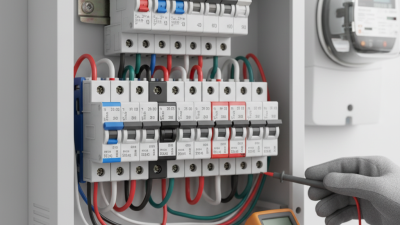
A practical inspection begins at the electrical panel. Check the circuit’s cable size, expected load, voltage, and available fault current. The breaker rating must match the circuit, not simply the largest appliance. A higher ampere rating can seem safer. It may instead allow undersized wiring to overheat. NFPA reports that electrical distribution and lighting equipment has caused tens of thousands of home structure fires annually in recent reporting periods. That number makes correct selection more than a technical preference.

Field checks often reveal warm terminals, discoloration, repeated tripping, or loose connections. These details matter. A breaker that trips repeatedly may be exposing a real fault, not showing poor quality. Select the correct pole count, trip curve, interrupting rating, and protection type for the installation. IEC guidance helps, but local electrical rules and a qualified electrician remain essential. I would not choose from amperage alone. That shortcut is tempting, and often wrong.

Assessing Your Electrical System and Protection Requirements

How to Choose the Right Electric Breaker Switch

Assessing your electrical system should come before selecting an electric breaker switch. Begin with the service rating, panel capacity, conductor size, and available fault current. A qualified electrician should inspect these elements under safe, de-energized conditions. Check the circuit’s normal load, startup demand, and continuous operating time. A breaker sized only for today’s appliances may become inadequate after renovation.

The National Fire Protection Association reported that electrical distribution and lighting equipment contributed to about 32,290 U.S. home structure fires annually from 2016 to 2020. These incidents caused approximately 470 civilian deaths and 1,100 injuries each year. That data makes overload protection more than a specification exercise. It is a practical safety decision. Measure twice.

Choose protection that matches the hazard. Ground-fault protection helps reduce shock risks in wet locations, while arc-fault protection addresses dangerous arcing conditions in many living areas. Confirm compatibility with the panel’s bus system and interrupting rating. The interrupting rating must exceed the prospective short-circuit current at the installation point. A larger amperage rating is not automatically safer. It can allow conductors to overheat before the breaker trips. I have seen neat load calculations miss aging insulation, loose terminations, or future equipment. That assumption can fail. Have the final selection verified against local electrical requirements and the equipment manufacturer’s installation instructions.

How to Choose the Right Electric Breaker Switch - Assessing Your Electrical System and Protection Requirements

Assessment Dimension What to Check Typical Data or Selection Guidance Protection or Selection Implication Priority
System Voltage Measure or confirm the nominal voltage and frequency at the distribution board. Common systems include 120/240 V at 60 Hz and 230/400 V at 50 Hz, depending on the electrical system and country. Select a breaker with a voltage rating equal to or greater than the system voltage. The breaker must also be suitable for the system frequency. Critical
Number of Poles Identify whether the circuit is single-phase, split-phase, or three-phase and determine the conductors that must be disconnected. 1-pole breakers are commonly used for single-line circuits; 2-pole breakers for two live conductors; 3-pole breakers for three-phase circuits. A 4-pole device may switch three phases and neutral where required. Use the correct pole arrangement so all required live conductors are disconnected together. Neutral switching depends on the system design and local regulations. Critical
Continuous Load Calculate the expected operating current and identify loads expected to run for three hours or more. For many installations, a continuous load is designed at 125% of its expected current, subject to local electrical rules. Choose a breaker and conductor arrangement that can carry the adjusted load without nuisance tripping or overheating. Critical
Breaker Current Rating Determine the circuit design current and compare it with the allowable ampacity of the conductors. Common ratings include 6 A, 10 A, 16 A, 20 A, 25 A, 32 A, 40 A, 50 A, 63 A and higher, depending on the installation system. The breaker rating must not exceed the permitted conductor ampacity after applying temperature, grouping, installation method and other derating factors. Critical
Conductor Compatibility Check conductor material, cross-sectional area, insulation temperature rating and terminal compatibility. Typical copper conductor sizes may range from 1.5 mm² for smaller circuits to 6 mm² or more for higher-current branch circuits, but the correct size depends on installation conditions. Verify that the breaker terminals accept the conductor size and material. Never select a larger breaker simply to prevent nuisance tripping on an undersized cable. Critical
Short-Circuit Capacity Determine the prospective short-circuit current at the installation point. Common miniature breaker interrupting ratings include 4.5 kA, 6 kA and 10 kA; larger systems may require substantially higher ratings. The breaker interrupting rating must be equal to or greater than the available fault current at its installation location. Critical
Tripping Curve Assess motor starting current, transformer inrush, lighting drivers and other temporary current peaks. Typical miniature breaker curves include B, C and D. B commonly trips magnetically at about 3–5 times rated current, C at about 5–10 times, and D at about 10–20 times. Use the lowest curve that tolerates the normal inrush current. A higher curve can allow more fault current before instantaneous tripping and should not be used without confirming cable and fault-loop conditions. High
Overload Protection Identify equipment with sustained operating current, such as heaters, pumps, compressors and large appliances. Thermal or electronic overcurrent protection responds to prolonged current above the breaker rating. Confirm that the breaker’s overload characteristics suit the equipment duty cycle and that the circuit is not routinely operating near its maximum rating. High
Residual-Current Protection Determine whether protection against electric shock or leakage current is required. A 30 mA residual-current device is commonly used for additional protection of people in many residential and similar applications, subject to local rules. An RCD or RCBO can detect current imbalance to earth, but it does not replace overcurrent protection unless the device includes an overcurrent function. Critical
Arc-Fault Risk Evaluate older wiring, damaged cables, combustible construction and circuits where loose connections may create arcing. Arc-fault detection devices are used in some jurisdictions for specified residential or high-risk circuits. Where required by local regulations, use an arc-fault protective device in addition to suitable overcurrent and residual-current protection. High
Motor and Equipment Starting Current Check locked-rotor current, starting duration and the manufacturer’s overcurrent requirements for motors and power electronics. Motor starting current can be several times the normal running current and may last from a fraction of a second to several seconds. Coordinate the breaker with the motor starter, overload relay or equipment protection system to avoid nuisance trips while maintaining fault protection. High
Environmental Conditions Review ambient temperature, enclosure ventilation, moisture, dust, vibration and altitude. Breaker current ratings are commonly specified at a reference ambient temperature, often around 30–40 °C depending on the product standard. Apply the manufacturer’s temperature and installation derating factors. Use an enclosure and device suitable for wet, dusty or corrosive locations. High
Distribution Board Capacity Check available module space, busbar rating, terminal arrangement and the board’s short-circuit rating. Residential distribution boards commonly use modular devices, while industrial boards may use molded-case or electronic circuit breakers. The selected breaker must be mechanically and electrically compatible with the distribution board and must not exceed the board’s rated capacity. High
Selectivity and Coordination Compare the new breaker with upstream and downstream protective devices. Coordination may be based on time-current curves, energy let-through values or tested combinations. Proper selectivity helps ensure that only the faulted circuit disconnects instead of unnecessarily shutting down the entire installation. Medium
Isolation Requirements Determine whether the device must provide circuit isolation for maintenance or emergency shutdown. Isolation requirements depend on the system voltage, equipment type, location and applicable electrical code. Use a device with an appropriate isolation function and visible or clearly identifiable switching position where required. High
Installation and Testing Verify tightening torque, conductor preparation, labeling, polarity, earthing and functional operation. Testing may include insulation resistance, continuity, polarity, earth-fault loop impedance and residual-current trip testing. Installation and testing should be performed by a qualified electrician using the applicable national or regional electrical requirements. Critical

Safety note: The correct breaker depends on the complete installation design, including local electrical regulations, conductor ampacity, fault current, earthing arrangement and equipment requirements. Do not replace or install a breaker based on amperage alone.

Comparing Breaker Types, Ratings, and Tripping Features

How to Choose the Right Electric Breaker Switch

Choosing a breaker starts with the circuit, not the switch itself. A thermal-magnetic breaker handles sustained overloads and sudden short circuits. Its thermal element responds slowly to heating. Its magnetic element trips almost instantly during severe faults. An electronic breaker can offer more precise sensing and adjustable settings, but it requires careful installation and testing. For leakage protection, an RCD or RCBO can detect current escaping toward earth. That protection may prevent serious shock, but it does not replace overload protection.

Ratings need close attention. The ampere rating must match the conductor size, expected load, and installation conditions. A 20-amp breaker does not automatically make every 20-amp circuit safe. Check the voltage rating and interrupting capacity as well. The interrupting rating must exceed the possible fault current at the panel. A breaker with a B, C, or D trip curve reacts differently to starting currents. Motors and transformers may need a slower curve, while lighting circuits often need faster protection. Local electrical rules should guide the final selection.

Tripping features deserve practical testing. Fixed settings are simple and reduce adjustment errors. Adjustable electronic trips provide flexibility for larger systems, but incorrect settings can delay protection. I have seen people focus only on amperage and overlook earth leakage or neutral protection. That shortcut can create a false sense of safety. Ask a qualified electrician to verify conductor sizing, fault levels, coordination, and test results before energizing the circuit. Small details matter here.

How to Choose the Right Electric Breaker Switch

Comparing breaker types, typical current ratings, and tripping features

The chart shows commonly specified current-rating ranges for major breaker categories. Actual ranges vary by country, installation method, pole configuration, and applicable electrical standards.

Breaker Type Primary Tripping Feature Typical Use
MCB Thermal overload and magnetic short-circuit protection Final circuits in residential and light commercial installations
MCCB Adjustable or fixed thermal-magnetic trip; electronic trip options available Feeders, industrial equipment, and higher fault-current systems
RCBO Overcurrent protection plus residual-current protection Individual circuits requiring shock and overload protection
RCCB / RCD Residual-current detection only; requires separate overcurrent protection Earth-leakage and additional shock protection
AFCI Detects hazardous electrical arcing patterns Arc-fault protection where required by local codes

Selection should also consider voltage, interrupting capacity, pole count, trip curve, ambient temperature, conductor ampacity, and local electrical regulations.

Checking Compatibility, Installation Conditions, and Safety Standards

Choosing an electric breaker switch starts with compatibility, not appearance. Check the system voltage, operating frequency, rated current, number of poles, and AC or DC application. A breaker designed for one circuit type may perform poorly in another. Confirm the panel’s mounting method and available space. Measure twice.

The conductor size must match the breaker rating and the expected load. Inspect the wire insulation for heat damage, cracking, or loose strands. Terminals should accept the conductor securely, with tightening torque based on the manufacturer’s technical instructions. A crowded panel, damp enclosure, or excessive heat can change installation requirements. These details are easy to overlook. That is where mistakes begin.

Safety certification matters. Choose equipment tested against recognized electrical standards and approved for use under local regulations. Verify the interrupting capacity, especially where fault current may be high. A qualified electrician should assess the supply, grounding, enclosure rating, and shutdown procedure before installation. Never treat a tripping breaker as a nuisance without finding the cause. It may indicate overload, short circuit, or insulation failure. I would also recheck every connection after installation, because a neat-looking panel can still contain one dangerous loose terminal. There is no shortcut here.

Selecting the Breaker Switch for Long-Term Reliability and Maintenance

How to Choose the Right Electric Breaker Switch

Selecting a breaker switch for long-term reliability begins with the actual electrical load. Check the circuit voltage, current, number of poles, and required interrupting rating. A breaker that barely meets today’s demand may age poorly when equipment is added. Leave suitable capacity, but avoid excessive oversizing. An oversized breaker may fail to protect the wiring correctly.

The installation environment matters too. Heat, moisture, dust, vibration, and frequent switching can shorten service life. Choose a device rated for those conditions and confirm compatibility with the distribution panel. A qualified electrician should verify conductor size, terminal torque, phase balance, and local code requirements. Small details matter. Loose terminals can create heat marks, buzzing sounds, or intermittent trips. A clean panel does not always mean a healthy one.

Tips: Keep a simple circuit schedule inside the panel. Record installation dates, test results, unusual trips, and replaced parts. Inspect for discoloration, corrosion, damaged insulation, or repeated nuisance tripping. Test protective functions according to the equipment instructions, never by forcing a fault. If a breaker trips repeatedly, investigate the cause instead of resetting it endlessly. That shortcut feels practical, but it can hide a developing problem. Maintenance records may seem unnecessary until a fault becomes difficult to trace.

Blogs