2026 How to Choose the Right DC Relay for Your Electrical Projects?
Choosing the right DC relay for your electrical projects can be challenging. The market offers various types of DC relays, each serving specific functions. A quality DC relay ensures efficient circuit control and enhances equipment performance.
When selecting a DC relay, consider the voltage and current ratings. A mismatch can lead to failure or safety hazards. It's crucial to assess the relay's response time and switching capacity carefully. These factors impact your project's reliability and effectiveness. Often, people overlook these details, leading to frustrating results.
Visualize your project. Picture how the DC relay integrates into your setup. Take time to research and compare options. Test your knowledge and reflect on your choices. Don’t rush the process; thoughtful decisions yield better outcomes. Remember, the right DC relay can make a significant difference.
Understanding the Basics of DC Relays and Their Functions
When working on electrical projects, understanding the basics of DC relays is crucial. A DC relay is an electromagnetic switch that uses a small voltage to control a larger current. This allows for safe operation of high-power devices. The core components include the coil and the contacts. When the coil receives power, it creates a magnetic field that moves the contacts to open or close a circuit.
Choosing the right relay can be tricky. Different projects require specific ratings. For example, consider the voltage and current ratings provided. Many relays also come with different configurations, like normally open or normally closed options. Think about the roles and functions you need. This part can become overwhelming at times. There's always a chance of misjudging the required specifications.
Moreover, installation and connection can lead to errors if not done carefully. A loose connection can cause the relay to fail. It’s essential to double-check your wiring. Testing your setup before full implementation is wise. Mistakes in this phase can lead to wasted time and resources. It’s more than just picking a relay; the choices will impact the entire project. Understanding these basics helps make smarter decisions.
2026 How to Choose the Right DC Relay for Your Electrical Projects?
| Relay Type |
Coil Voltage (V) |
Contact Rating (A) |
Switching Type |
Application |
| DPDT Relay |
12V |
10A |
Normally Open/Normally Closed |
Automotive Applications |
| SPST Relay |
5V |
15A |
Normally Open |
LED Control |
| SPDT Relay |
24V |
20A |
Contestable Contacts |
Industrial Automation |
| DPST Relay |
48V |
10A |
Double Pole Single Throw |
Heating Control |
| Multi-Channel Relay |
12V |
5A |
Multiple Switches |
Home Automation |
Key Specifications to Consider When Selecting a DC Relay
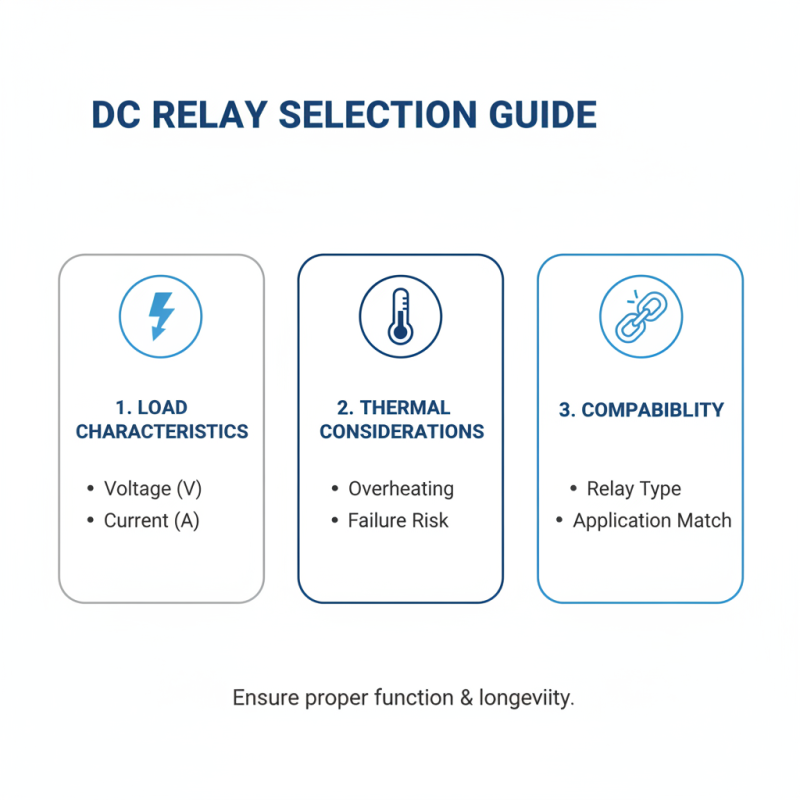
When selecting a DC relay for your electrical project, several key specifications are crucial. First, consider the relay's voltage rating. It must match your system voltage to ensure proper operation. A mismatch can lead to malfunction or damage. Next, check the current rating. This defines how much load the relay can handle. Choosing a relay with an inadequate rating may cause overheating.
Another important factor is the coil resistance. It affects how much power the relay consumes. A lower resistance might seem efficient, but it can lead to higher current draw. Evaluate the relay's switching time as well. Some applications require faster switching for optimal performance. It's also vital to consider the relay's lifespan and reliability under varying conditions.
In addition, the physical size and mounting type can impact your project. Make sure the relay fits your design. The choice of normally open or normally closed contacts should also align with your specific needs. Each decision influences the overall effectiveness of your project. Don't overlook these details; they can make or break your electrical system. It's a process of trial and error to find the perfect match.
Key Specifications to Consider When Selecting a DC Relay
This bar chart illustrates key specifications to consider when selecting a DC relay for your electrical projects, including coil voltage, contact current, contact resistance, operate time, and release time.
Types of DC Relays and Their Suitable Applications
When selecting a DC relay, understand the types available. Different relays serve various functions. For example, electromagnetic relays are common. They work well for switching currents in automotive applications.
Solid-state relays suit environments requiring high speed and reliability. They face less wear and tear because they have no moving parts.
Tips: Consider the relay’s voltage and current ratings. They must match your project’s needs. A mismatch can lead to failures. Be mindful of the operating temperature range as well. High temperatures can reduce relay lifespan.
Other types include time-delay relays. They are great for applications needing delayed on or off switching. Use them in automation systems to enhance efficiency. However, ensure the delay durations fit your design goals; otherwise, it may complicate your project. Lastly, review your choices thoroughly. Selecting the right DC relay can significantly affect performance.
Best Practices for Installing and Testing DC Relays in Electrical Systems
When installing DC relays, attention to detail is key. Proper installation practices minimize failures and enhance performance. Industry reports indicate that nearly 30% of relay failures are due to improper installation. Ensuring correct alignment and secure connections can make a difference. Use appropriate gauge wiring to handle current ratings. This reduces heat buildup and potential hazards.
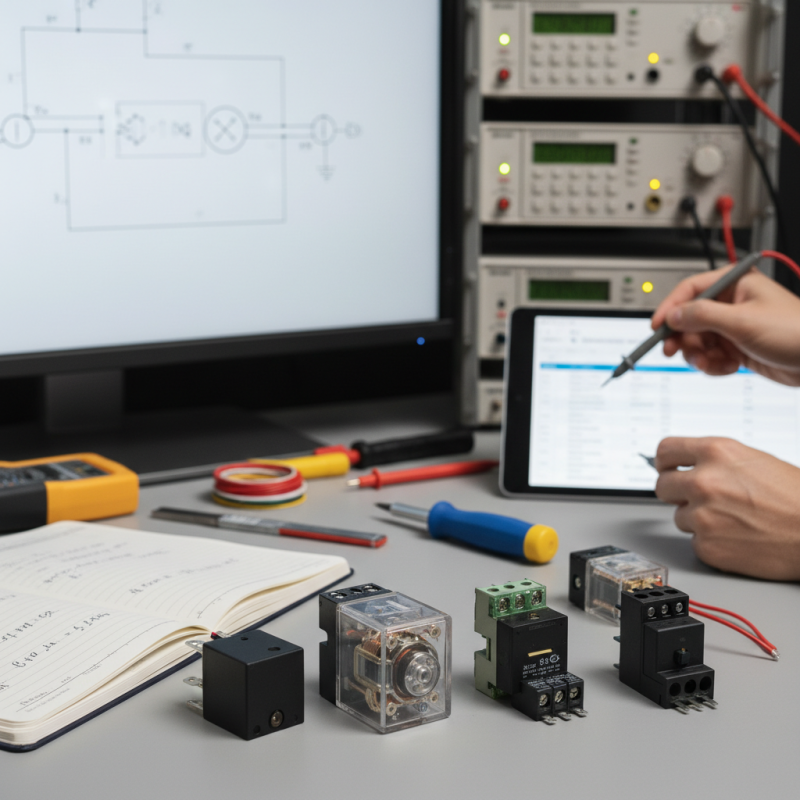
Testing relays before integration is essential. A multimeter can verify functionality, ensuring that the relay opens and closes as required. Research shows that 15% of relays fail during initial testing phases. This highlights the importance of thorough examination. Failure to test can result in greater issues down the line.
Environment matters, too. Moisture and dust can affect relay performance. Protective casings can guard against these elements. A survey revealed that 20% of installations suffer from environmental-related damage. Regular maintenance checks can identify problems early. Recognizing these factors is crucial for long-term reliability.