Why Choose an Electric Circuit Breaker for Your Business Needs?
In today's fast-paced business environment, choosing the right electrical solutions is crucial. An electric circuit breaker stands out as a reliable choice for various applications. These devices protect electrical circuits from overloads and faults, ensuring safety and operational efficiency.
Many businesses overlook the importance of selecting the right circuit protection. However, an electric circuit breaker can significantly reduce risks associated with electrical failures. It offers cost-effective solutions alongside reliable performance. Moreover, technological advancements have improved their reliability and ease of use.
Selecting an electric circuit breaker requires thoughtful consideration. Business owners must assess their specific needs carefully. While these breakers are generally effective, they may not fit every application seamlessly. Understanding their limitations is as important as recognizing their benefits.
Understanding Electric Circuit Breakers and Their Functionality
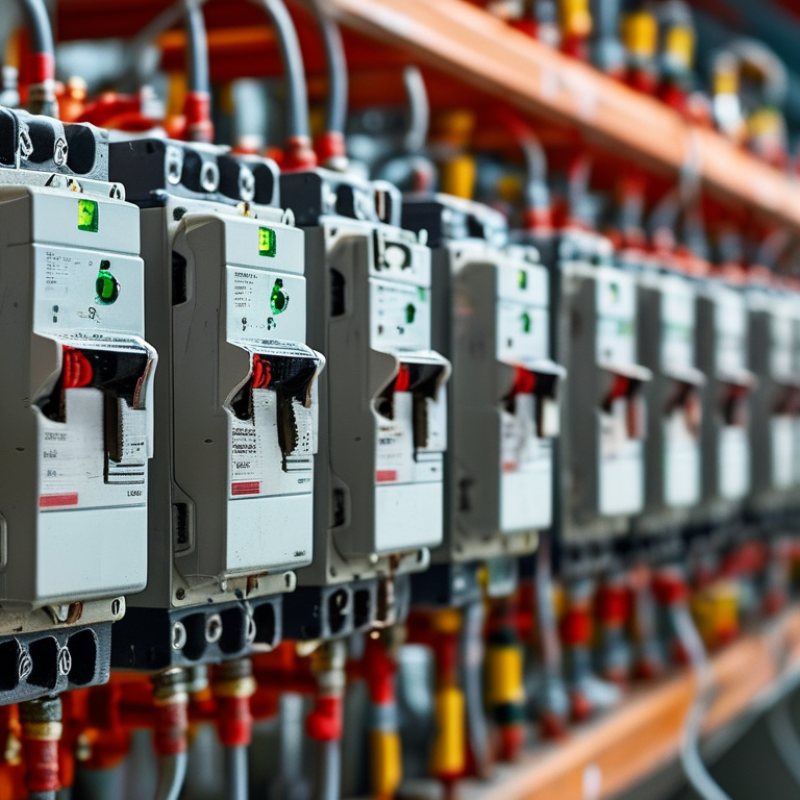
Electric circuit breakers play a vital role in modern electrical systems. Their primary function is to protect circuits from overloads and short circuits. Unlike traditional fuses, which require replacement after a single event, circuit breakers can be reset and reused. This feature is crucial for businesses aiming to minimize downtime and maintenance costs.
According to the International Electrotechnical Commission, circuit breakers have a lifespan of over 10,000 operations before requiring replacement. This longevity underscores their reliability in protecting your electrical infrastructure. Additionally, recent studies indicate that implementing circuit breakers can reduce the risk of electrical fires by up to 80%. Such statistics highlight their importance in securing business environments.
When evaluating your electrical needs, consider these factors: assess your electrical load to determine the type of circuit breaker needed. Ensure that your breaker ratings align with your operational requirements. Regularly test and maintain your circuit breakers to ensure optimal performance. Remember, prioritizing the safety of your operations can lead to significant savings in the long run.
Advantages of Electric Circuit Breakers for Business Operations
In today's competitive business landscape, ensuring operational continuity is crucial. Electric circuit breakers offer standout advantages for managing electrical supply in commercial settings. According to a report by the National Institute of Standards and Technology, integrating modern circuit breakers can enhance system reliability by up to 30%. This improvement translates into reduced downtime, which is essential for maintaining productivity.
Electric circuit breakers are designed with advanced technologies. They provide real-time monitoring and preventive alerts. This feature helps in identifying potential issues before they escalate. Businesses can minimize downtime and avoid costly repairs. Studies indicate that unplanned outages can lead to losses exceeding $20,000 per minute in large enterprises. Such data underscores the importance of effective circuit management.
Moreover, electric circuit breakers contribute to cost savings. With their ability to detect overloads and short circuits, businesses can avoid equipment damage. This leads to lower maintenance costs. The Energy Information Administration notes that efficient energy management can result in savings of up to 15% on electricity bills. However, organizations can sometimes overlook the need for periodic maintenance. Regular checks are essential to truly maximize the benefits of these systems. Neglecting this could undermine the very advantages these breakers are meant to provide.
Cost Efficiency and Energy Savings with Electric Circuit Breakers
Electric circuit breakers can significantly enhance cost efficiency for businesses. They offer reliable protection against overloads and short circuits. This reliability helps prevent equipment damage, which can lead to costly downtime. Traditional circuit breakers, while functional, often require more frequent replacements. This factor can add hidden costs over time.
Energy savings is another compelling reason to switch to electric circuit breakers. These devices are designed to optimize energy usage. They minimize power wastage by ensuring that only necessary electricity flows through the system. This not only translates to lower energy bills but also supports sustainability initiatives. A company can highlight its commitment to green practices by adopting these advanced solutions.
However, the transition to electric circuit breakers may not always be seamless. Installation can be complex and may require professional expertise. Businesses should prepare for potential disruptions during this upgrade. It is essential to weigh the immediate challenges against long-term benefits. Each step in this process offers valuable learning experiences, contributing to greater operational resilience.
Why Choose an Electric Circuit Breaker for Your Business Needs? - Cost Efficiency and Energy Savings with Electric Circuit Breakers
| Feature |
Benefit |
Cost Savings (%) |
Energy Savings (%) |
| Reduced Maintenance |
Lower operational costs |
15 |
5 |
| Increased Safety |
Reduced risk of accidents |
N/A |
N/A |
| Faster Response Times |
Minimize downtime |
10 |
3 |
| Higher Reliability |
Improved performance consistency |
20 |
7 |
| Smart Technology Integration |
Enhanced monitoring and control |
5 |
10 |
Safety Features of Electric Circuit Breakers in Commercial Settings
Electric circuit breakers play a crucial role in commercial safety. One primary feature is their ability to detect overloads and short circuits. A study by the National Fire Protection Association revealed that electrical failures contribute to about 13% of all commercial building fires. Using advanced technology, electric circuit breakers can disconnect power instantly, minimizing fire risk and damage.
Another essential safety feature is ground fault protection. Ground faults can occur in wet environments, like kitchens or restrooms. According to OSHA, electrocutions are one of the leading causes of workplace fatalities. Electric circuit breakers with ground fault protection can reduce these incidents by immediately shutting off power in case of a fault. This capability is vital for businesses that prioritize employee safety and compliance with workplace regulations.
While electric circuit breakers provide significant safety benefits, their effectiveness hinges on proper installation and maintenance. Many businesses overlook regular checks and updates to their electrical systems. This negligence can lead to severe consequences, including extensive damage and safety hazards. Investing in routine inspections ensures that these safety features function as intended, providing reliable protection for both employees and property.
Choosing the Right Electric Circuit Breaker for Your Business Needs
When selecting an electric circuit breaker, the right choice can significantly impact your business operations. A quality circuit breaker protects your electrical systems from overloads and short circuits. This safety device is crucial for preventing equipment damage and minimizing downtime.
Consider the capacity requirements of your business. Different industries have varying power demands. Understand your current and future energy needs before making a decision. Consulting with an electrical engineer can provide valuable insights tailored to your specific requirements.
It’s essential to look for circuit breakers that comply with safety standards. Reliability is key in electrical systems. Pay attention to the brand's reputation and user reviews. User feedback can highlight common issues or advantages that detailed specifications might miss.
Assessing the environmental conditions where the circuit breaker will operate is important. Factors like humidity, temperature, and dust can affect performance. This consideration could lead to a better choice, ensuring durability and efficiency in challenging environments. In time, your circuit breaker should adapt and grow with your business needs.
Electric Circuit Breaker Selection Criteria