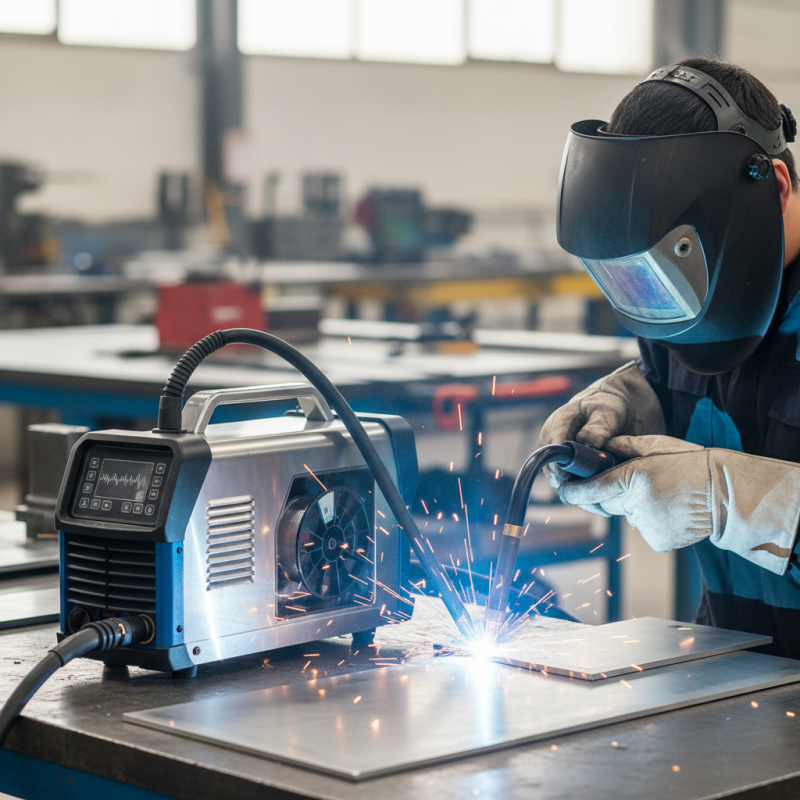
Why Choose an Aluminum Welder Machine for Your Business Needs?
Choosing the right equipment is crucial for any business. The Aluminum Welder Machine stands out among welding tools due to its versatility and efficiency. Many companies find aluminum welding to be essential in various applications, from automotive to construction.
An Aluminum Welder Machine offers precise results. Its lightweight design makes it easier to handle than traditional machines. However, some users may struggle with techniques like aluminum wire feeding. Investing in training can improve proficiency and outcomes in less time.
Not every aluminum welder meets the same standards. It's important to choose a reliable brand known for quality. Poor choices can lead to inconsistent welds and delays, impacting business operations. A solid understanding of your needs will guide you in selecting the right machine.
Understanding the Advantages of Aluminum Welder Machines in Industry
Aluminum welder machines offer unique benefits for various industries. These machines are lighter than other types of welders. This makes them easier to transport and use on-site. Many businesses appreciate the speed of aluminum welding. The processes allow for fast assembly and repairs, reducing downtime.
Another key advantage is the versatility of these machines. They can handle various aluminum alloys, which is crucial in sectors like automotive and aerospace. Operators gain skills quickly with user-friendly designs. However, training is still essential. Novice welders may struggle with aluminum's specific properties. Experts recommend practice and patience for mastering techniques.
Quality welding is vital. Aluminum welders ensure strong joints that resist corrosion. Yet, not all machines are created equal. Businesses must evaluate options carefully. Choosing the right equipment can significantly impact productivity and costs. Investing in high-quality machines enhances reliability and performance.
Key Features of Aluminum Welders That Enhance Performance and Efficiency
When selecting an aluminum welder machine, understanding key features is vital. A significant aspect is the weight of the machine. Lighter machines are easier to transport. However, they may lack the power for heavier jobs. A balance is essential for effective operations.
Another important feature is the inverter technology. This makes machines more efficient. According to a report by the Welding Industry Association, machines with inverter technology can save up to 30% on energy costs. This translates to lower operational expenses for businesses. Moreover, these machines offer better arc stability, providing cleaner welds and greater control.
Cooling systems play a critical role in enhancing performance. Effective cooling can increase the machine's lifespan. Some models feature advanced cooling systems that prevent overheating during long tasks. However, not all businesses consider maintenance. This oversight can lead to performance drops over time. Balancing performance and maintenance needs is crucial for achieving optimal results in welding operations.
Comparison of Aluminum Welding Techniques: MIG vs. TIG
When deciding between MIG and TIG welding for aluminum, it's essential to understand their unique characteristics. MIG welding, or Metal Inert Gas welding, is known for its speed and ease of use. It utilizes a continuously feeding wire, which results in faster welds. This technique is ideal for thicker materials and high-volume production. However, achieving fine detail can be challenging with MIG, particularly on thinner aluminum sections.
On the other hand, TIG welding, or Tungsten Inert Gas welding, offers precision and control. It uses a non-consumable tungsten electrode, allowing for skillful manipulation of the weld puddle. This makes it perfect for intricate designs and thinner materials. The process can be slower and requires a higher skill level. Welders might struggle initially to maintain stable arcs or control heat input, which can lead to imperfections.
Both methods have their merits and drawbacks. Employers may benefit from investing in training for both techniques, enabling welders to choose the best method for their specific projects. Practical experience is invaluable, as each technique requires different approaches and skill sets. Understanding the advantages and challenges helps in making informed decisions for business needs.
Impact of Aluminum Welding on Production Costs and Labor Efficiency
Aluminum welding has a significant impact on production costs and labor efficiency. With its lightweight properties and high strength, aluminum is preferred in various industries. However, welding aluminum can be tricky. A specialized aluminum welder machine can greatly enhance your operations.
Investing in the right welder machine improves speed. Faster welding times lead to higher productivity. This is crucial for meeting tight deadlines. Labor efficiency also increases as workers spend less time on each product. They can focus on quality rather than fixating on issues caused by improper equipment.
Tips for maximizing efficiency include training staff on proper machine use. Skilled operators can reduce waste and rework. Regular maintenance of welding machines is another key factor. It ensures the equipment runs smoothly and avoids unexpected downtimes. Keeping machines in top condition is vital to minimize production disruptions.
Monitoring welding parameters can also refine processes. Even small adjustments can lead to better results. However, always be open to exploring new techniques. This can help you stay competitive in the market. Embracing innovation is essential for long-term success in aluminum welding.
Industry Standards and Safety Regulations for Aluminum Welding Equipment
When selecting an aluminum welder machine, understanding industry standards and safety regulations is crucial. The welding process involves risks, especially when working with aluminum. Proper equipment must comply with OSHA standards. Ensure your machine meets these requirements to protect your workforce and avoid costly fines.
Tip: Always check the voltage and amperage ratings of your welder. Mismatch in specifications can lead to equipment failure or safety hazards.
Welders should also be aware of personal protective equipment (PPE) regulations. Proper gear—such as helmets, gloves, and protective clothing—mitigates the risk of burns and injuries. Training staff on PPE use is essential.
Tip: Conduct regular safety drills to keep your team sharp. Familiarity with emergency procedures boosts confidence.
While it's easy to overlook compliance, prioritizing safety ensures a reliable operation and a positive reputation. Investing in quality equipment may seem costly, but it pays off in the long run. Even minor lapses in safety can yield significant consequences.
Aluminum Welder Machine Market Share by Region (2023)