
China Best Solar Light Wind Chimes Wholesale

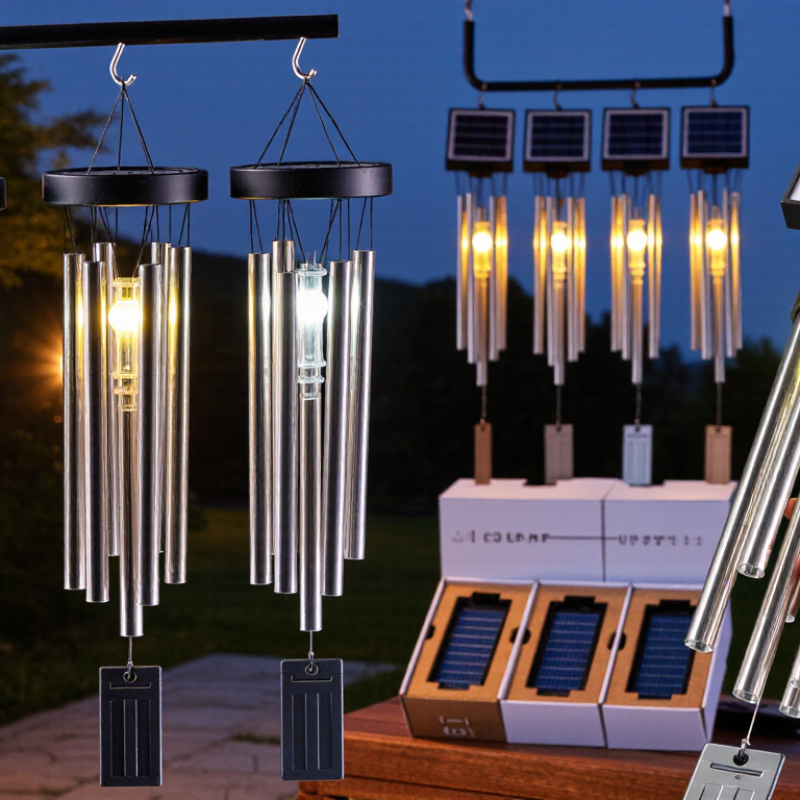
Sourcing Solar Light Wind Chimes wholesale from China takes more than comparing product photos and unit prices. Buyers should check the solar panel, battery access, light settings, chime material, and hanging hardware. These details affect both the product’s appearance and its everyday use. A sample helps reveal what a listing cannot: the weight of the chimes, the finish on the edges, and how the lights look after dusk.

Small details matter. Ask suppliers how the lights charge in cloudy conditions and whether batteries can be replaced. Confirm dimensions, packaging, available colors, and the contents of each carton before approving a bulk order. If possible, test a sample outdoors over several evenings; one bright night is not enough to judge consistent performance. Request clear specifications and written answers, rather than relying on broad claims such as “long-lasting” or “weatherproof.” Those words need context.

Wholesale buyers should also compare production lead times, sample costs, quality checks, and options for private labeling. Ask how the supplier handles damaged items and whether the delivered goods will match the approved sample. Not every variation signals poor quality, but unexplained changes deserve attention. A pleasant chime can still arrive with a weak hook or uneven finish. This guide explores practical ways to evaluate China-based suppliers, compare product value, and plan a more reliable purchase. Careful checks cannot remove every risk, but they can make decisions clearer.
China Best Solar Light Wind Chimes Wholesale

What Solar Light Wind Chimes Are and How They Are Designed

Solar light wind chimes combine gentle outdoor sound with low-voltage decorative lighting. Their main parts include suspended tubes, a solar panel, a rechargeable battery, and small LED bulbs. During daylight, the panel converts sunlight into stored energy. At dusk, a light sensor activates the LEDs automatically.

The design depends on balance. Different tube lengths create varied tones when moving air strikes them. Wider tubes usually produce deeper sounds, while lighter materials respond to softer breezes. A small gap between each tube prevents constant clashing.

The solar panel should face open sunlight, although a shaded garden may reduce charging time. In practical testing, lights can appear dimmer during cloudy seasons. The chimes may also stay quiet on still nights. That is normal, but it shows why product descriptions should avoid exaggerated claims.

Tips: Check the panel size, battery capacity, LED brightness, and hanging strength before ordering. For wholesale purchasing, request samples and inspect them outdoors for several days. Look for secure wiring, smooth edges, stable hooks, and clear charging instructions. Weather-resistant construction matters, but no finish lasts forever without basic care. Wipe dust from the panel and bring the unit indoors during severe weather when possible.

How Solar Panels Power Lighted Wind Chimes

A solar panel on a lighted wind chime turns daylight into electrical energy. The charge is stored in a small rechargeable battery, then used to power LEDs after dusk. Simple, but not magic. A shaded porch can leave the battery partly charged, so the lights may fade earlier than expected.

Panel placement matters. A south-facing, unshaded spot often receives stronger sunlight in the Northern Hemisphere. Dust, leaves, and cloudy weather reduce the light reaching the panel. Keep it clean and check that the switch is on; small details make a difference.

The International Energy Agency’s Photovoltaic Power Systems Programme reported more than 440 GW of new solar capacity worldwide in 2023. That figure shows the technology’s broad adoption, not the output of a tiny decorative panel.

For a wholesale buyer, ask suppliers for panel wattage, battery capacity, and a tested runtime under stated conditions. Also ask how long charging takes in direct sun. A bright product photo cannot answer that. Test samples outdoors through several evenings, and note how wind, shade, and season affect the lights. Results can vary. A chime that glows until midnight in summer may perform differently on a short winter day.

Materials, Components, and Product Variations

Solar light wind chimes combine a hanging ornament with a compact outdoor lighting system. Common designs use aluminum tubes for a bright, light tone, while ABS or resin housings protect the solar module. Acrylic accents add color with less breakage risk than glass during shipping. Stainless-steel hooks and coated connectors can help resist corrosion. Small details matter. Check tube thickness, hanging balance, and whether the panel is easy to wipe clean.

A typical set includes a small solar panel, rechargeable battery, LED lights, wiring, and a light-sensitive switch. Component quality affects charging and nighttime runtime, so inspect samples after cloudy days as well as sunny ones. Wholesale variations may include warm or color-changing LEDs, different chime lengths, themed ornaments, and assorted finishes. Longer tubes may create deeper notes, but they also need more room to hang freely. Even careful samples have limits: color can vary slightly between production batches, so confirm finish expectations before placing a large order.

How to Evaluate Chinese Wholesale Suppliers

A reliable Chinese wholesale supplier should explain how its solar light wind chimes are made, tested, and packed. Request a sample before discussing a large order. Check the panel size, battery type, light color, hanging length, and stated water-resistance rating against the product sheet. Ask how the rating was tested; a number without a test method is weak evidence. Turn the sample on at dusk and inspect its finish, wiring, and chime movement. Small details matter. A loose hook can cause trouble after shipping.

Compare the sample with written specifications, not only catalog photos. Ask for recent production images, quality-control records, and relevant test reports, then confirm that each document matches the exact model. Clarify minimum order quantity, sample fees, lead time, packaging, and how defective units are handled. Request a written quotation with each cost listed. Keep communication in one email thread so changes are easy to track. A polished reply is reassuring, but it cannot replace a consistent sample and clear records. Some suppliers may not answer every technical question perfectly; note the gaps and ask for specific evidence before committing.

China Best Solar Light Wind Chimes Wholesale - How to Evaluate Chinese Wholesale Suppliers
Evaluation Dimension What to Check Suggested Screening Benchmark Evidence to Request Weight
Product specification clarity Confirm dimensions, materials, light modes, color options, included accessories, and product variations. Specifications should be complete, consistent across the quotation and sample, and stated in measurable units. Dated specification sheet, product drawings, bill of materials, and a signed sample approval record. 14%
Solar panel performance Check panel type, rated power, dimensions, charging conditions, and the method used to measure output. Compare the stated rating with independent measurements or a documented test. Charging time depends on sunlight, panel orientation, and weather. Panel datasheet and test results showing measurement conditions and output. 10%
Battery specification and safety Verify battery chemistry, rated voltage and capacity, replaceability, charging protection, and supplier traceability. Capacity should be specified in mAh or Wh; confirm that the sample’s battery matches the quoted specification. Battery datasheet, incoming inspection records, and applicable safety test reports. For lithium batteries, request UN 38.3 test documentation for transport where applicable. 10%
Lighting runtime Test operating time after a full charge in the actual lighting mode and brightness setting. Set a runtime requirement for the intended use; compare results under the same charge, temperature, and operating conditions. Repeatable runtime test records and a pre-shipment inspection sample. 10%
Outdoor protection Assess resistance to rain, dust, corrosion, and temperature exposure for the intended installation environment. Request an IP rating supported by test evidence. Under IEC 60529, IP44 indicates protection against solid objects 1 mm and larger and splashing water; IP65 indicates dust-tight protection and water jets. Choose a rating appropriate to use. IP test report for the finished product or relevant assembly, plus material and corrosion-test information where applicable. 10%
Market compliance Identify the destination market and determine which product, electrical, chemical, labeling, and packaging rules apply. Compliance requirements depend on the destination and product configuration; do not rely on a generic “CE” or “RoHS” claim without supporting documents. Applicable declarations, test reports, technical documentation, and product labels for the target market. 10%
Quality control process Review incoming-material checks, in-process inspection, final inspection, defect handling, and batch traceability. The supplier should explain inspection stages and agree on written acceptance criteria before production. Quality procedures, sample inspection records, corrective-action examples, and a proposed inspection checklist. 8%
Sample-to-production consistency Compare the approved sample with production materials, finish, light output, packaging, and accessories. Approve a “golden sample” and require production to match it; document any approved changes. Signed sample, version-controlled specifications, and a pre-shipment sample or inspection report. 7%
MOQ and quotation transparency Compare minimum order quantity, unit pricing, tooling charges, sample fees, payment terms, and price breaks. Request a like-for-like quotation with currency, Incoterm, packaging, and all additional charges stated. Itemized quotation and written confirmation of payment and order terms. 6%
Production capacity and lead time Check current capacity, production schedule, peak-season planning, and the definition of the quoted lead time. Lead time should be stated from a defined starting point, such as deposit receipt or approved artwork, and confirmed for the order quantity. Production schedule, capacity statement, and written delivery milestones. 5%
Packaging and shipping readiness Review retail packaging, carton strength, labeling, carton dimensions, and battery-related shipping documents where relevant. Packaging should protect fragile components during transit, and carton details should be available before freight is booked. Packaging specification, carton measurements, drop-test information if available, and shipping-document checklist. 5%
Communication and after-sales support Evaluate response clarity, issue escalation, spare-parts availability, and the process for handling defects. Agree on response expectations, warranty terms, and a documented claim-resolution process before placing an order. Written warranty and after-sales terms, named contact role, and defect-claim procedure. 5%
Total evaluation weight 100%
Scoring guide: Rate each dimension from 1 (unacceptable or no evidence) to 5 (meets requirements with strong, verifiable evidence). Weighted score = rating ÷ 5 × dimension weight. Benchmarks are screening guidance; confirm final requirements for the product and destination market.

Quality Standards, Pricing, and Bulk Order Considerations

For wholesale solar light wind chimes, quality starts with parts that product photos often hide. Check the solar panel, battery capacity, charging time, and light runtime under consistent conditions. Ask suppliers to explain their test methods, not just list specifications. Small details matter. Inspect hanging rings, wire joints, and chime tubes for rough edges or weak connections.

Outdoor exposure changes performance. Review the stated water-resistance rating and confirm whether testing covers the complete assembled item, including its solar compartment. Leave a sample outdoors through cloudy days and evening use, while recording the season and location. One sample is insufficient. In practice, conditions vary, which can make supplier comparisons less tidy than expected.

Compare quotations by more than unit price. Confirm minimum order quantities, packaging, carton dimensions, color options, spare parts, and shipping terms. Request an itemized quote that separates these costs. For bulk orders, agree on production timing, inspection procedures, and how defects will be handled. Get those details in writing. If quality evidence is incomplete, keep the first order modest and review incoming goods before increasing quantities. This may add time, but it can reveal issues a polished sample misses.

Blogs