What is the Best Vacuum Pressure Casting Machine for Your Needs?
Choosing the right Vacuum Pressure Casting Machine is crucial for businesses focused on precision manufacturing. This decision greatly impacts both quality and efficiency. According to a report by MarketsandMarkets, the global vacuum casting market is projected to reach $2.1 billion by 2025, reflecting its rising demand across various industries. As manufacturers strive for superior quality, the need for advanced casting machines becomes evident.
Different models offer varying features tailored to distinct production needs. Some machines emphasize speed, while others focus on accuracy. However, selecting a machine based solely on specifications can be misleading. One must consider the specific requirements of their products and the materials used. For example, if your projects involve complex geometries, a machine with enhanced vacuum capabilities might be necessary.
Furthermore, operational reliability must not be overlooked. A less reliable Vacuum Pressure Casting Machine can lead to production delays, increasing costs. Reflecting on past experiences can shed light on the importance of machine maintenance and support. Investing in the right system is as much about immediate needs as it is about long-term sustainability.
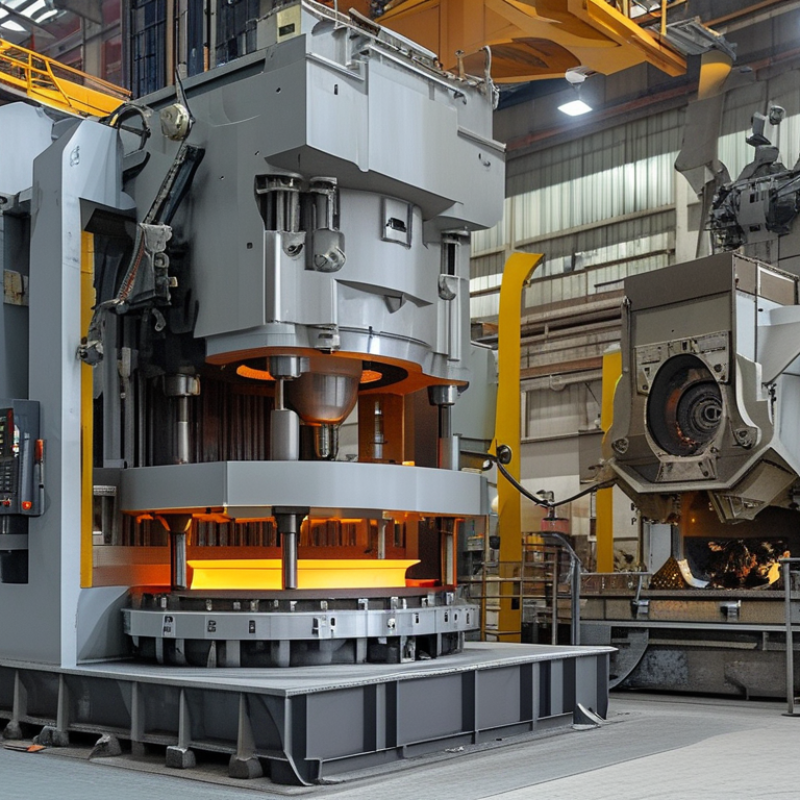
Understanding Vacuum Pressure Casting Machines: Basics and Applications
Vacuum pressure casting machines are essential tools for various industries, including jewelry, dental, and aerospace. Understanding their basic functions helps in selecting the best machine for specific needs. These machines operate by creating a vacuum that removes air bubbles from the material. This process results in higher quality casts with fewer defects.
When exploring the applications of vacuum pressure casting, consider the type of materials used. Metals and resins are common choices. Each material has unique properties that influence casting results. Attention to detail in the preparation process is crucial. Even minor mistakes can lead to significant defects in the final product.
Reflect on the operational aspects as well. Proper maintenance of the machine ensures consistency and reliability. Users often grapple with settings that impact the casting process. Experimentation can yield valuable insights, but it requires patience and dedication. The journey to mastering vacuum pressure casting brings many lessons.
Key Features to Consider When Selecting a Vacuum Pressure Casting Machine
When selecting a vacuum pressure casting machine, key features play a crucial role. One vital aspect to consider is the vacuum level. Most industry standards recommend a vacuum level of 25 inches of mercury or higher. This ensures optimal metal flow into molds, minimizing defects. A recent report by the Casting Engineering Society highlighted that improved vacuum levels can reduce porosity by up to 40%. This data underscores the importance of choosing a machine with robust vacuum capabilities.
Another critical feature is the machine's size and capacity. The right vacuum pressure casting machine should match your production goals. Industry benchmarks suggest that machines with larger chambers can increase productivity significantly. For example, a machine with a 20-liter capacity can complete a batch faster, improving operational efficiency. Additionally, consider the control system. Advanced features, like digital interfaces and automated cycle controls, enhance precision. While these might entail a higher initial investment, they can lead to significant long-term savings through reduced waste and errors.
Lastly, assess the machine’s durability and maintenance requirements. Machines made from high-quality materials tend to have longer lifespans, reducing downtime and repair costs. Reports indicate that maintenance costs can account for 20% of the total operation budget. Therefore, investing in a reliable machine is essential for sustainable operations.
Types of Vacuum Pressure Casting Machines and Their Advantages
When selecting a vacuum pressure casting machine, it's essential to understand the various types available and their specific advantages. There are three main categories: laboratory models, industrial machines, and portable units. Laboratory models are compact and designed for small-scale operations and experimentation. They provide researchers quick results and allow for precise control over the casting process. Industrial machines, on the other hand, are larger and capable of handling high volumes. They often use advanced technology to ensure consistency and reduce defects in the final product.
Portable units are designed for versatility. They can be used in various settings, and their lightweight design allows for easy transportation. This type can be advantageous for small businesses or those with limited space. Many professionals appreciate the adaptability and ease of use that come with portable machines. They often find that these units do not compromise quality, making them a viable option for diverse applications.
Consider your specific needs before choosing a machine. Evaluate factors like the scale of your projects, material types, and available workspace. Pay attention to the machine's features, such as vacuum levels and pressure settings. The right machine can significantly impact the quality of your castings.
When making your choice, think about long-term support and maintenance. A machine may require regular servicing, and easy access to parts is crucial for sustained operation. Reflect on your future needs, too. If you plan to scale your production, investing in the right type will save time and resources in the long run.
Comparison of Different Types of Vacuum Pressure Casting Machines
This bar chart compares the advantages score of different types of vacuum pressure casting machines. The scores represent the efficiency, ease of use, and production capacity of each type. Manual machines have a score of 75, semi-automatic machines score 85, while fully automatic machines lead with a score of 95, highlighting their advanced features and higher productivity.
Comparative Analysis of Popular Vacuum Pressure Casting Machine Brands
When selecting a vacuum pressure casting machine, understanding different brands is crucial. Each brand comes with unique features and specifications. Analyzing these can help you make an informed decision that aligns with your specific needs. User feedback often highlights reliability and performance as key factors to consider. Machines that are easy to operate often gain higher satisfaction ratings, indicating a need for user-friendly design.
Brand comparisons reveal distinct advantages and disadvantages. For instance, some machines excel in speed, while others focus on precision. It's important to assess what matters most to you. Are you looking for high throughput or accurate molds? Both elements can impact your production process significantly. In addition, be aware that not every high-rated machine is foolproof. Each model may require adjustments to meet diverse casting demands.
When exploring options, take note of the support provided by manufacturers. Access to spare parts and responsive customer service can greatly enhance your experience. A brand may seem dependable on paper but can falter in practice if the support system is lacking. As you delve into your selection process, reflect on past experiences with equipment. This can help you identify what works best for your production environment and where improvements may be needed.
Tips for Maintenance and Optimization of Vacuum Pressure Casting Machines
Maintaining a vacuum pressure casting machine is essential for optimal performance. Regular inspection of seals and gaskets can prevent leaks. A study from the Journal of Manufacturing Science shows that nearly 30% of casting defects stem from inadequate sealing. Checking these components monthly can help ensure tight seals, which improve the quality of your castings.
Cleaning the chamber is equally important. Dust and debris can affect the vacuum level. Experts recommend a thorough cleaning after every 50 hours of operation. This simple step can enhance the efficiency of the machine. Additionally, monitoring the vacuum levels regularly provides insight into the machine's health. If the vacuum drops below 25 inches of mercury, it's time to investigate for potential issues.
Investing in proper training for operators pays off. Trained personnel can spot small issues before they become major problems. A report by the International Journal of Advanced Manufacturing Technology indicates that trained operators can reduce downtime by up to 40%. Proper maintenance practices contribute to a longer machine lifespan and consistent production quality. Reflection on current maintenance protocols could uncover areas of improvement, leading to enhanced efficiency.
What is the Best Vacuum Pressure Casting Machine for Your Needs?
| Model | Vacuum Level (mmHg) | Casting Capacity (kg) | Cycle Time (min) | Price Range (USD) | Key Features |
| Model A | 150 | 20 | 10 | 3000 - 5000 | Automated controls, Compact design |
| Model B | 200 | 30 | 12 | 4000 - 6000 | Low noise operation, Energy efficient |
| Model C | 120 | 15 | 15 | 2000 - 4000 | User-friendly interface, Quick setup |
| Model D | 180 | 25 | 8 | 3500 - 5500 | High precision, Multiple material compatibility |



