What is Auto Laser Software and How Can It Benefit You?
In recent years, Auto Laser Software has gained significant traction in various industries. This innovation optimizes laser cutting and engraving processes, making them more efficient and precise. Users can experience a range of advantages, from reduced material waste to enhanced design capabilities.
This software provides intuitive interfaces that are user-friendly, even for those with limited technical skills. It allows for quick adjustments, saving time and ensuring consistent quality in production. However, as with any technology, there are challenges. Adapting to new software can be frustrating and may require a learning curve.
Despite potential obstacles, the benefits of Auto Laser Software are clear. It streamlines workflows, improves accuracy, and reduces operational costs. With ongoing advancements, understanding its capabilities becomes crucial. Embracing this technology can lead to a competitive edge in today’s fast-paced market.
What is Auto Laser Software and Its Purpose in the Industry?
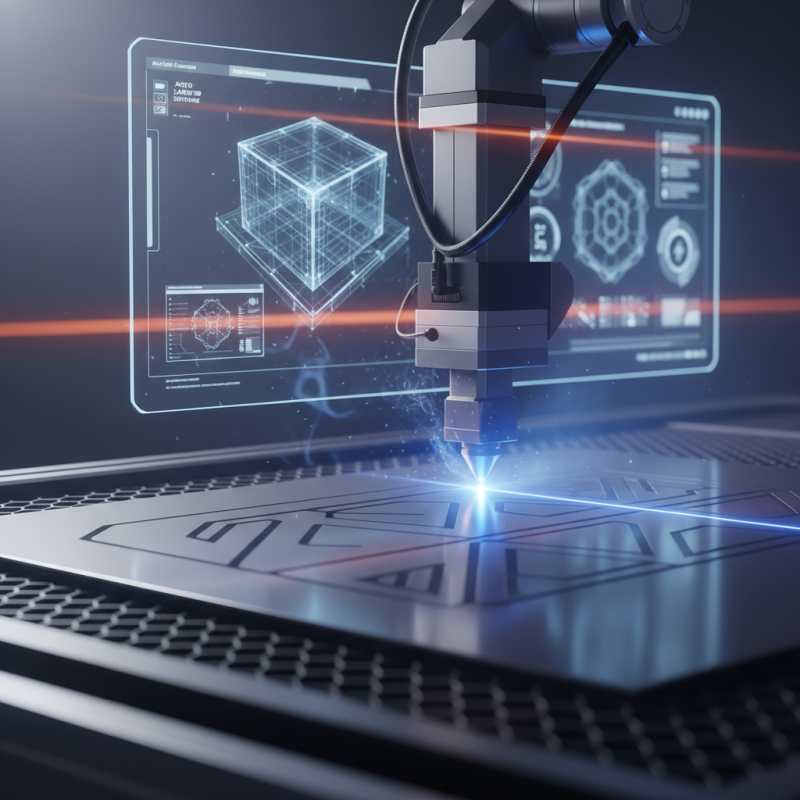
Auto Laser Software transforms how industries utilize laser technology. It serves multiple purposes, primarily streamlining processes like cutting, engraving, and marking. This software enables users to create precise designs with ease. Operators can adjust settings for various materials, ensuring optimal performance.
Industries benefit significantly from this software. It maximizes efficiency, reducing production time. Accurate laser control minimizes errors, leading to consistently high-quality outputs. However, the learning curve can be steep for new users. Beginners may struggle with settings, affecting production initially. Continuous practice and training are essential for mastering this software.
Incorporating Auto Laser Software encourages innovation. It allows for unique design possibilities that manual methods can’t achieve. Users can experiment with intricate patterns or detailed engravings. Yet, there is a risk of over-reliance on the software. Creativity can sometimes take a backseat to technology. Balancing automation with human intuition is crucial in maintaining craftsmanship.
Impact of Auto Laser Software on Industry Efficiency
This chart illustrates the key improvements observed in the industry before and after the implementation of Auto Laser Software. The data compares metrics such as design time, production time, cost reduction, error rates, and customer satisfaction, highlighting the significant benefits of adopting this technology.
Key Features of Auto Laser Software: Enhancing Efficiency and Precision
Auto Laser Software is revolutionizing manufacturing by optimizing efficiency and enhancing precision in laser cutting and engraving processes. According to a recent industry report, the integration of software solutions has improved production speed by nearly 30%. This efficiency gain translates to significant cost savings and greater output for businesses. The software uses advanced algorithms that adapt to various materials, ensuring high-quality results with minimal waste.
Key features of Auto Laser Software include real-time monitoring and automated adjustments. This ensures that every cut is precise and tailored to the specific needs of the project. In practice, operators report a 20% reduction in errors compared to manual processes. The ability to automate complex designs further streamlines workflows and allows skilled labor to focus on innovation rather than repetitive tasks. While these advancements are promising, companies should remain cautious. Full reliance on automation can lead to skill erosion among workers. Striking a balance between technology and human expertise is crucial for sustainable growth in the industry.
Data also indicates that user-friendly interfaces enable quicker learning curves for new employees. Reduced training time means businesses can adapt swiftly to market demands. However, some users encounter challenges when integrating the software with existing machinery. A thoughtful approach to integration can mitigate these issues. Ultimately, Auto Laser Software promises to reshape the landscape of manufacturing, provided that businesses address the human aspect of technological advancement.
The Role of Auto Laser Software in Automation and Production Workflow
Auto Laser Software plays a pivotal role in automation and production workflows. This software optimizes the use of laser cutting and engraving tools across various industries. By integrating advanced algorithms, it enhances precision and speed in production processes. According to a recent industry report, companies using automated laser systems have seen a 30% increase in production efficiency. This improvement is crucial in today’s competitive market.
Moreover, the customization capabilities of Auto Laser Software align seamlessly with modern manufacturing needs. It allows businesses to easily modify design parameters, enabling rapid prototyping and reduced time-to-market. A study noted that 45% of manufacturers experience shorter lead times when implementing such automation. However, many organizations still struggle with the initial setup and maintenance of these systems. Ensuring staff are adequately trained is essential, yet often overlooked.
The integration of Auto Laser Software can lead to significant cost savings. Companies can reduce material waste and lower operational costs. Yet, reliance on automation also presents challenges. There may be a learning curve for employees. Resistance to change is common, leading some teams to miss out on potential gains. Embracing this technology requires a culture shift, prioritizing continuous learning and adaptation.
Industry Statistics: Impact of Auto Laser Software on Operational Costs
The impact of Auto Laser Software on operational costs is significant. A recent study shows that companies integrating this technology can reduce overhead by up to 30%. This reduction comes from streamlined processes and less wasted materials. Many businesses also report increased productivity due to faster turnaround times. Workers spend less time on repetitive tasks, leading to better overall efficiency.
However, not all companies have experienced the same benefits. Some face initial challenges, such as adapting to new software systems. These adjustments can temporarily increase operational costs. Data from industry reports highlight that about 25% of businesses encountered barriers during implementation. Despite these hurdles, the long-term savings often outweigh the upfront investments.
Companies should evaluate their current operations. Understanding usage patterns can help in making informed decisions. With the proper analysis, businesses can maximize their return on investment with Auto Laser Software. However, continual assessment is essential to ensure that the technology remains effective as operational needs evolve.
Future Trends: Innovations in Auto Laser Software and Their Implications
Auto laser software is evolving rapidly, with innovations that promise to reshape industries. The integration of advanced algorithms is enhancing precision and efficiency. This software now offers customizable settings for different materials. Users can expect reduced waste and improved output quality.
Tips: When selecting auto laser software, consider compatibility with existing machinery. Evaluate user feedback to ensure it meets specific needs. Look for features that allow real-time adjustments.
Emerging trends indicate a shift towards artificial intelligence in auto laser software. AI will facilitate smarter operations, anticipating user requirements. The implications are profound. For instance, companies can achieve consistent results with minimal input. However, challenges remain. Users must adapt to continuous updates and learn new functionalities.
Tips: Staying informed about updates is key. Regular training sessions can help teams stay skilled. Create a feedback loop to address any issues quickly.



