2026 Top Surge Protective Device Suppliers Worldwide
As electrical systems become more connected, reliable surge protection is no longer an optional cabinet accessory. A nearby lightning strike, utility switching event, or motor start can damage sensitive equipment within milliseconds. This guide examines the 2026 top surge protective device suppliers worldwide, focusing on practical performance rather than brand visibility alone. It considers suppliers serving industrial plants, commercial buildings, data centers, renewable energy sites, and residential installations.
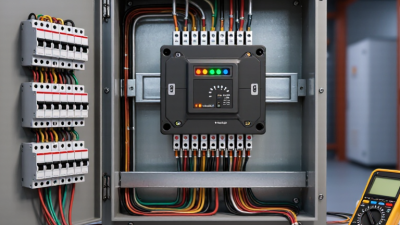
The evaluation looks at product design, tested discharge capacity, voltage protection level, response behavior, and system compatibility. It also considers certifications, technical documentation, warranty support, and replacement availability. A dependable supplier should explain whether its devices protect power, control, signal, or communication lines. Installation details matter too. A DIN-rail unit with a clear status indicator is easier to inspect during maintenance. Remote contacts can help operators identify a failed module before equipment stops.
Field experience often reveals what brochures omit. Wiring length, grounding quality, backup protection, and coordination between devices can change real-world results. This overview therefore compares complete protection approaches, not only impressive laboratory figures. Standards such as IEC and UL provide useful reference points, but compliance alone does not guarantee a perfect installation. No ranking is flawless. Supplier quality may vary by region, distributor, and product series. Readers should verify current certificates, local service coverage, and application data before purchasing. The goal is a balanced starting point for engineers, contractors, facility managers, and informed buyers seeking durable protection in 2026.
Surge Protective Devices: Definition, Purpose, and Core Technologies
Surge protective devices, or SPDs, divert transient overvoltage away from sensitive equipment. They protect power supplies, control boards, communication ports, and connected machinery. A surge may last microseconds, yet it can leave a burned smell and a silent circuit failure.
The core technologies differ in speed and energy handling. Metal oxide varistors clamp voltage quickly and suit many distribution panels. Transient-voltage-suppression diodes respond faster, but usually absorb less energy. Gas-discharge tubes handle powerful surges with low leakage. Hybrid designs combine these methods. IEC 61643-11 and UL 1449 define important testing and performance requirements. IEEE C62.41.1 also helps engineers understand surge environments. MarketsandMarkets reported that the global SPD market could grow from about USD 3.0 billion in 2024 to USD 4.4 billion by 2029. The forecast suggests rising demand, not guaranteed protection quality.
Tips: Check maximum continuous operating voltage, nominal discharge current, and impulse current rating. Match the SPD with the earthing system and upstream protection. Short, straight conductors matter. Long wiring can weaken performance. Replace modules after serious events, even when damage looks minor. Installation experience shows a common mistake: choosing the highest rating without checking coordination. Bigger is not always better. A device may survive a surge but still fail to protect downstream electronics. Maintenance records should include inspection dates, indicator status, and unusual heating. The weak point is often overlooked.
Key Factors for Evaluating Global SPD Suppliers in 2026
In 2026, evaluating global surge protective device suppliers requires more than comparing prices. Start with verified technical evidence. Check discharge current, maximum continuous operating voltage, voltage protection level, and short-circuit ratings. These values must match the installation, not merely appear impressive on a datasheet.
Ask for independent laboratory reports and certificates against applicable international standards. Review test conditions, sample numbers, and report dates carefully. A certificate without traceable documentation deserves caution. Experienced suppliers should explain coordination between Type 1, Type 2, and Type 3 devices. They should also discuss thermal disconnectors, backup protection, remote alarms, and replacement indicators. Practical knowledge matters here.
Manufacturing consistency is equally important. Request factory audit records, batch testing procedures, serial-number traceability, and documented quality controls. Examine how the supplier handles humidity, dust, vibration, and repeated lightning events. Field references from similar buildings can reveal weaknesses hidden by polished marketing. Talk with engineers who have installed the devices.
Supply reliability also affects technical value. Evaluate lead times, spare-part availability, installation guidance, warranty terms, and regional service capability. Clear drawings reduce mistakes during commissioning. Responsive technical support can prevent unsafe substitutions. Still, no scorecard is perfect. A supplier may satisfy every document check yet perform poorly under local conditions. Independent sampling and a small pilot installation can expose that gap. Personally, I would test communication speed before signing a large contract. It is a simple check, but often overlooked.
Leading Surge Protective Device Suppliers Worldwide
Worldwide demand for surge protective devices is expanding with data centers, renewable-energy sites, and commercial buildings. MarketsandMarkets reported that the global SPD market could grow from about USD 3.1 billion in 2024 to USD 4.4 billion by 2029. Its forecast indicates a compound annual growth rate near 7%.
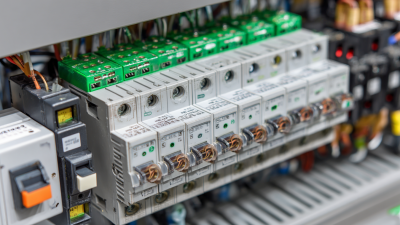
Leading suppliers are not judged by product catalogs alone. Reliable suppliers provide tested devices, clear installation guidance, and traceable production records. IEC 61643-11 remains a key reference for low-voltage surge protective devices. Buyers should also check nominal discharge current, voltage protection level, thermal disconnection, and replacement indicators. These details matter beside a crowded distribution panel.
Regional demand differs sharply. Suppliers serving Europe often emphasize Type 1 and Type 2 coordination in industrial systems. Asian manufacturers increasingly support photovoltaic installations and compact residential protection. North American projects frequently require careful compatibility with service equipment and grounding arrangements. Research and Markets identifies infrastructure upgrades and connected electronics as major growth drivers. The report also suggests that replacement demand will remain important.
Field experience reveals a less comfortable truth. A device can meet a specification and still perform poorly when installation is careless. Excessive lead length, weak bonding, or incorrect backup protection can reduce real-world protection. Supplier comparisons therefore need independent test evidence, warranty terms, response time, and local technical support. Market rankings remain imperfect. Price alone hides too much.
SPD Product Categories, Standards, and Application Sectors
2026 Top Surge Protective Device Suppliers Worldwide
The SPD market is expanding with electrification, renewable power, and connected infrastructure. MarketsandMarkets estimated the global market at about USD 3.2 billion in 2023, with growth toward USD 4.7 billion by 2028. However, price alone is a weak buying signal. Type 1 devices handle high-energy lightning currents at service entrances. Type 2 units protect distribution panels. Type 3 devices serve sensitive equipment near the load. IEC 61643-11 defines key performance requirements, while UL 1449 supports North American certification practices.
Application conditions change the selection. Data centers need low residual voltage and clear remote status signals. Factories often require strong short-circuit ratings and coordinated protection across long cable runs. Solar arrays and battery systems need DC-rated SPDs, correct maximum continuous operating voltage, and suitable disconnection methods. EV charging sites add outdoor exposure, switching surges, and frequent maintenance concerns. IEEE C62.41.1 and C62.41.2 provide useful guidance for transient environments. A higher kA number is not automatically better. I have seen installations fail because grounding paths were long, poorly bonded, or simply overlooked.
Tips: Ask suppliers for IEC or UL test reports, not only certificates. Check Iimp, In, Up, Uc, SCCR, and replacement indicators. Confirm Type 1+2 coordination with the panel design. Review local grid conditions and cable lengths. This step is often missed. Keep inspection records, because even a well-rated SPD can degrade after repeated events. Industry forecasts look confident, but field performance still depends on installation quality and honest testing data.
2026 Top Surge Protective Device Suppliers Worldwide
SPD product categories, international standards, and application sectors
Type 1 SPD
Designed for service entrances and lightning-current discharge testing commonly associated with the 10/350 μs impulse.
Type 2 SPD
Used in distribution boards and sub-distribution panels, with performance commonly evaluated using the 8/20 μs current impulse.
Type 3 SPD
Installed close to sensitive equipment and commonly tested with combination-wave methods such as 1.2/50 μs voltage and 8/20 μs current.
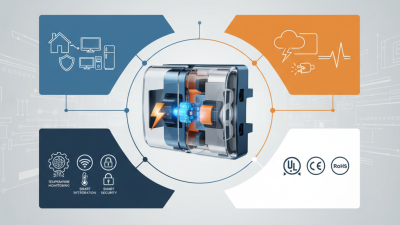
The chart presents normalized reference profiles for internationally recognized surge-test waveforms. Applicable sectors include residential and commercial buildings, industrial automation, telecommunications, data centers, renewable-energy systems, transportation infrastructure, and utilities. Relevant standards include IEC 61643-11 for low-voltage AC power SPDs, IEC 61643-21 for telecommunications and signaling SPDs, UL 1449, and IEEE C62.41 series.
Global Market Trends and Future Developments in Surge Protection
Global demand for surge protective devices is shifting from simple replacement sales toward coordinated protection systems.
Grand View Research estimates the global market at about USD 3.4 billion in 2023, with growth expected through 2030. MarketsandMarkets also projects strong expansion, driven by data centers, renewable energy, electric vehicles, and industrial automation.
The change is visible in real installations. A rooftop photovoltaic system may face switching surges, lightning impulses, and voltage changes from its inverter. A modern data center needs protection at service entrances, distribution panels, and sensitive rack-level equipment. IEC 61643-11 remains a key reference for low-voltage SPDs, while IEC 61643-31 addresses photovoltaic applications. Compliance alone is not enough.
Not always.
Future suppliers will need better coordination between Type 1, Type 2, and Type 3 devices. Remote status monitoring is becoming more practical, especially where maintenance teams oversee distant substations or unmanned facilities. MarketsandMarkets identifies smart infrastructure and expanding digital networks as important growth factors. However, published forecasts differ because regional construction cycles and replacement rates are difficult to measure.
That uncertainty deserves attention. A technically strong device can still fail as part of a poorly grounded system, or when installers overlook cable length, backup protection, and thermal conditions. Suppliers with tested products, transparent specifications, field experience, and dependable technical support will be better positioned in the worldwide market.